Premium men's underwear: what justifies the price
The question deserves to be asked directly: does spending three times as much on underwear make sense? Is it about brand, image, social signaling? Or is there a concrete reality behind the price difference?
The short answer: it depends on what you're comparing. The long answer is below.
What you pay for in low-end underwear
Underwear costing €5-8 in supermarkets or fast fashion stores is essentially standard cotton (non-organic), minimal elastane, flat design (no anatomical work), and manufacturing optimized for volume—often outside Europe, with reduced quality controls.
It works. For a while. Then the elastic gives out, the fabric thins, the cut deforms. On average, it lasts 6 to 12 months with regular use.
What you pay for in premium underwear
In the €30-60 range, several things change simultaneously:
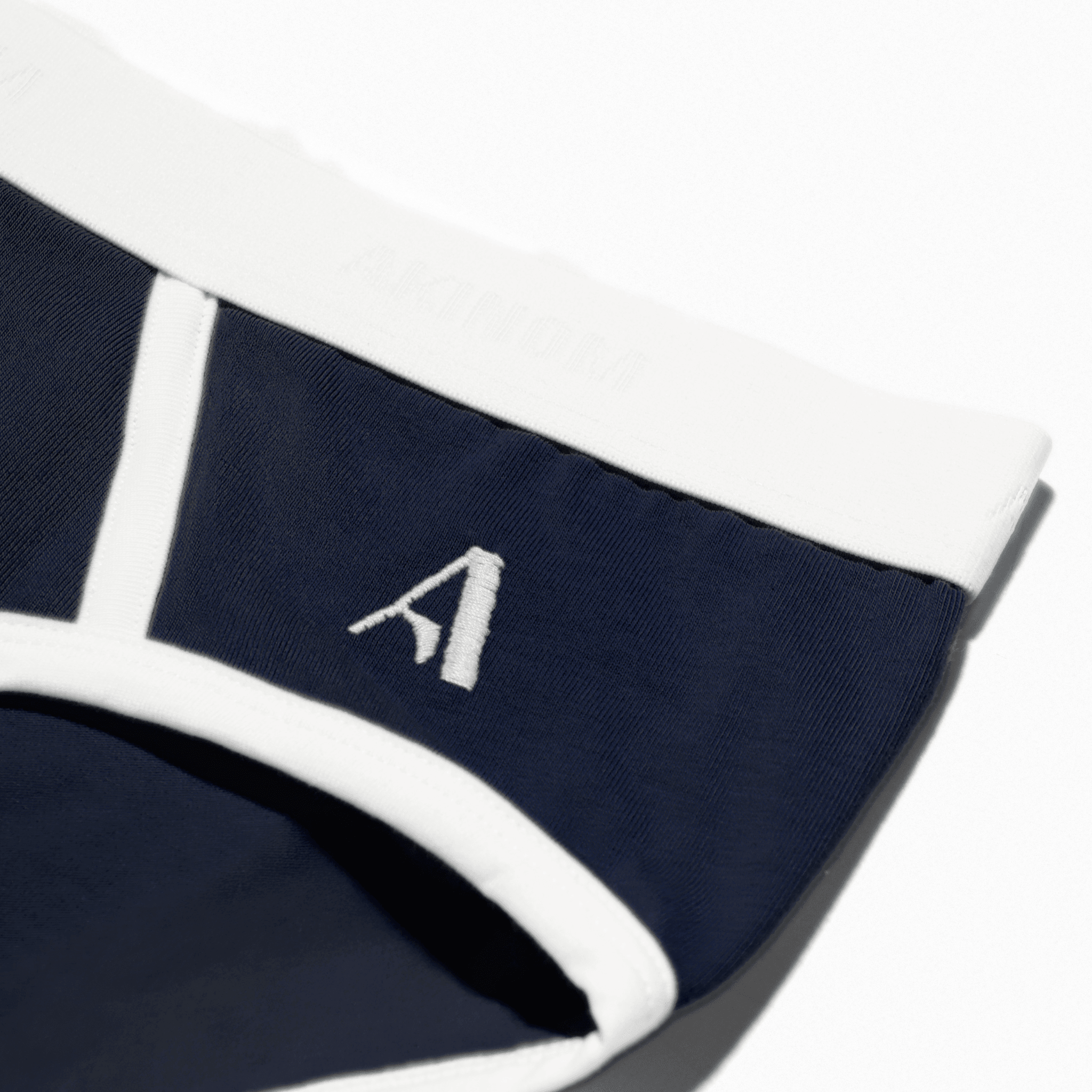
The material: certified organic cotton, quality Lenzing™ lyocell or modal. Materials that behave differently on the skin, over time, and with care. This is not marketing—it's measurable.
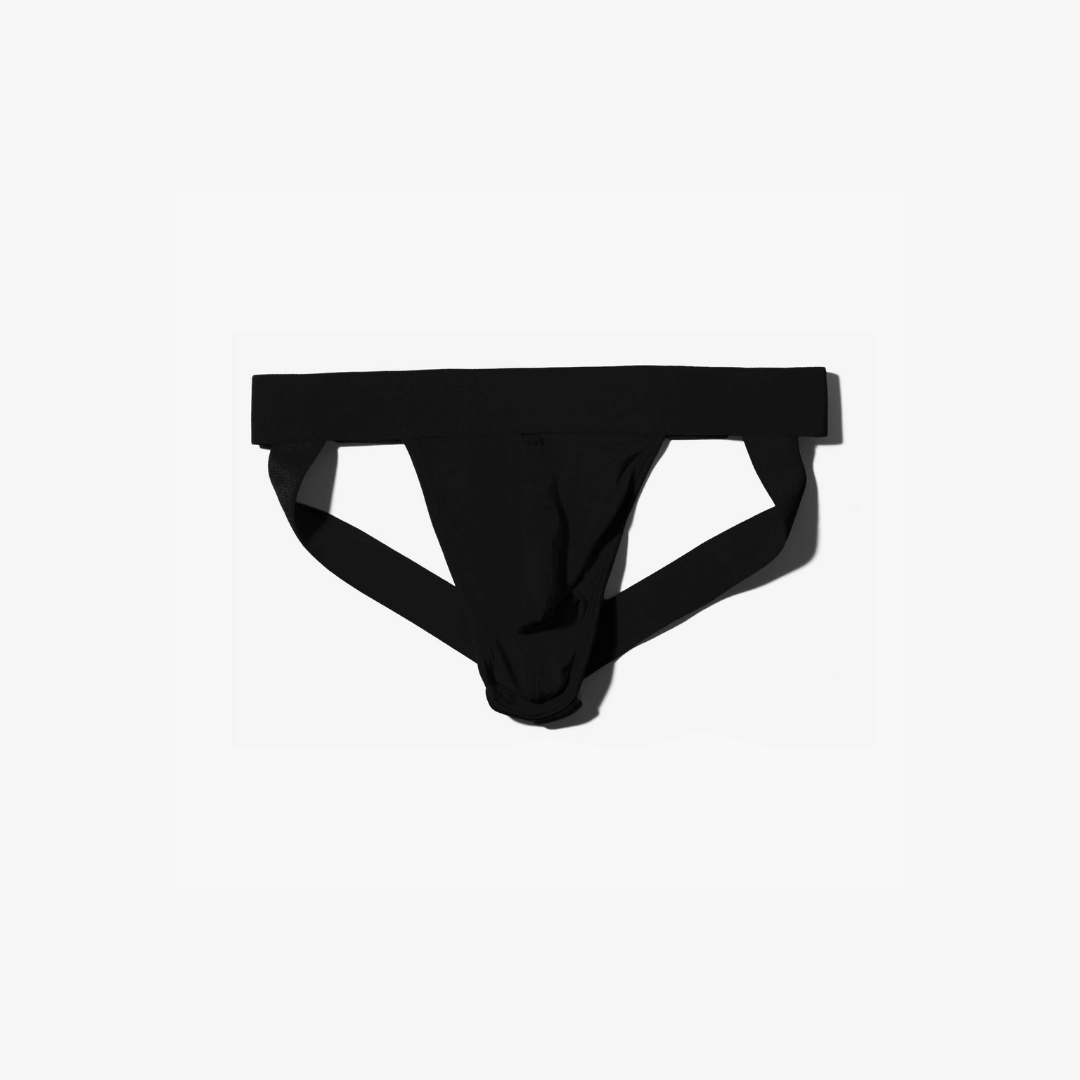
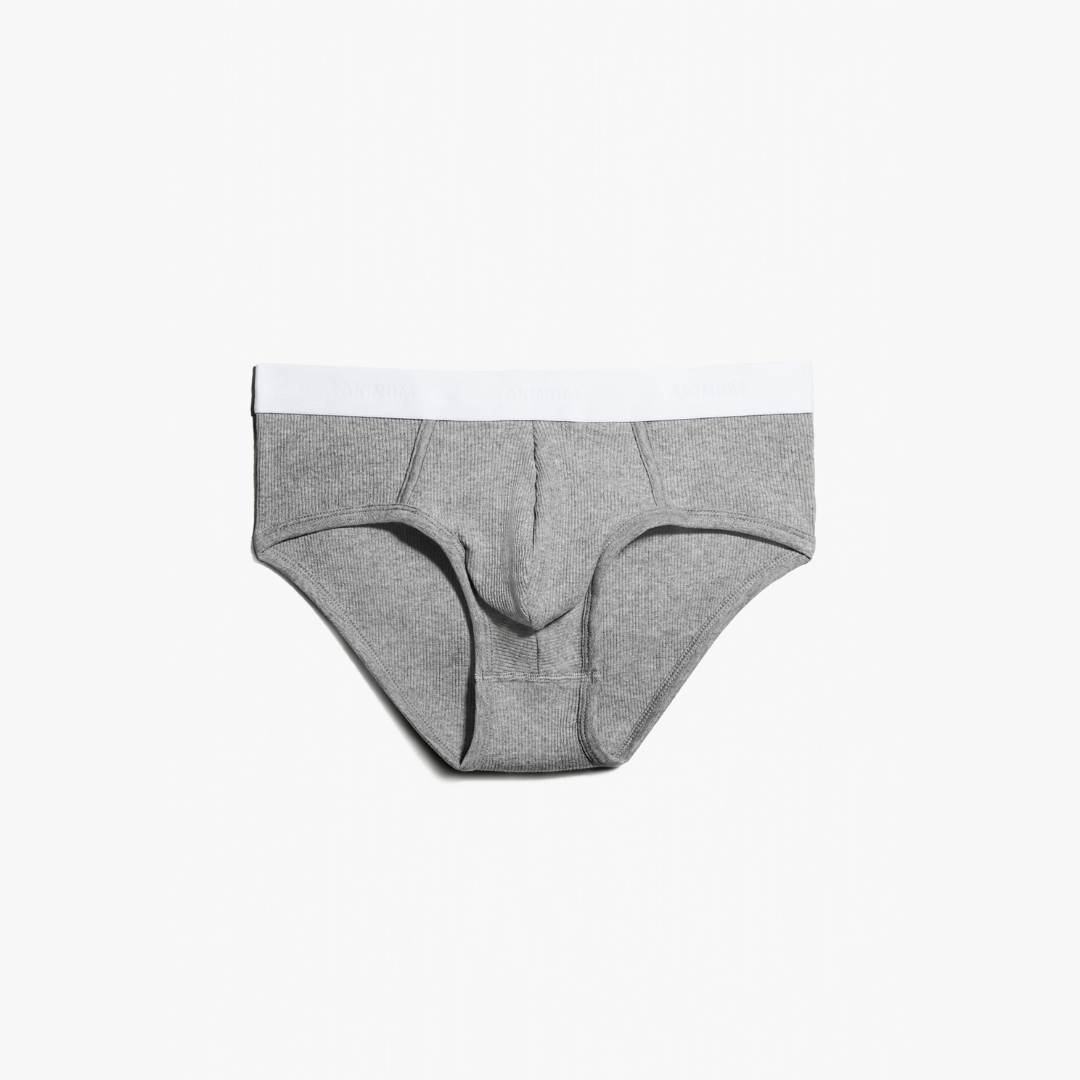
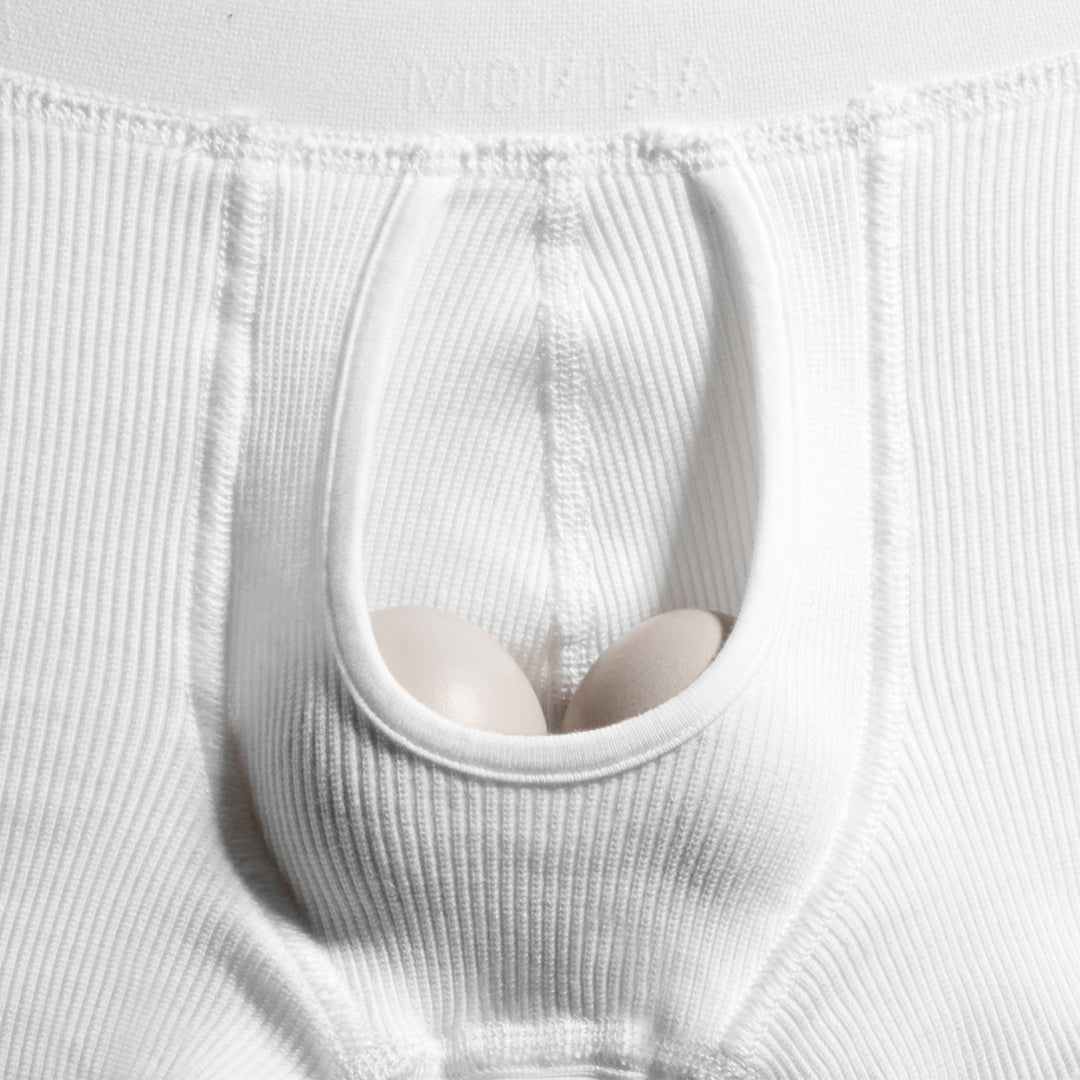
The design: this is where the gap is most significant. Premium underwear invests in the cut: optimized tension zones, carefully designed anatomical support, seams placed to avoid friction points. This work is done upstream, in R&D, and it has a cost that isn't visible on the finished product—but is felt.
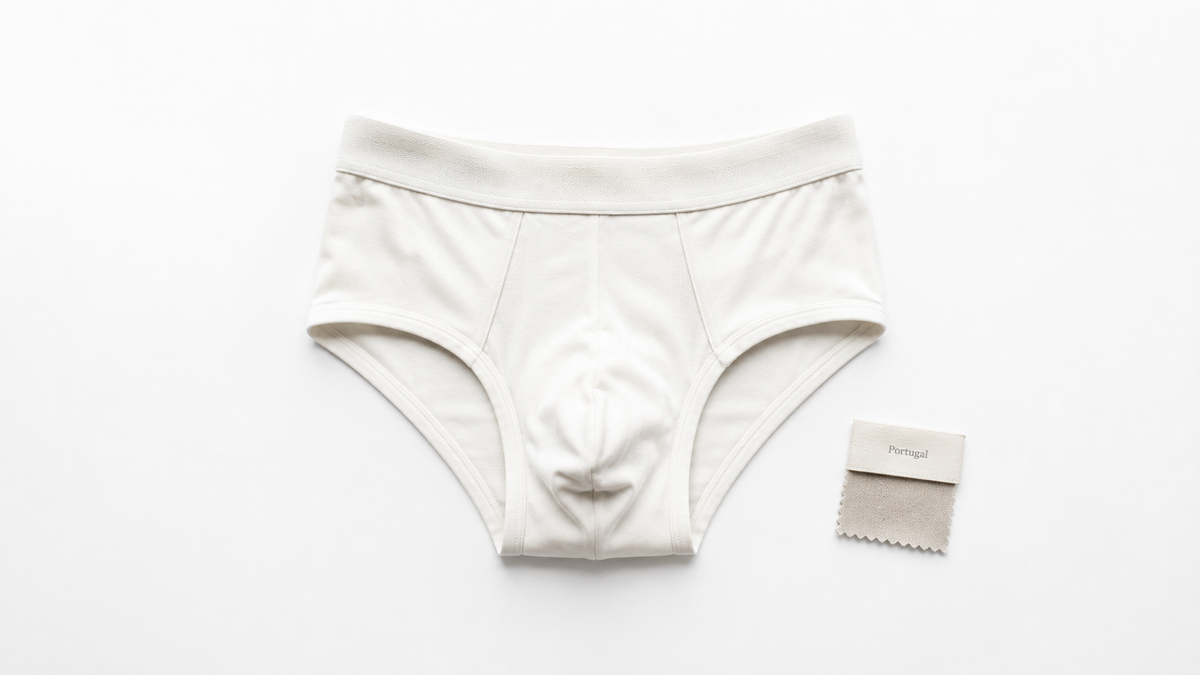
The manufacturing: serious premium brands generally manufacture in Europe—Portugal, Italy, Czech Republic. Documented production conditions, workshops that master technical materials, and quality control times that the fast-fashion model cannot afford.
The lifespan: quality premium underwear lasts 24 to 36 months with regular use and appropriate care. When broken down to cost per month, the difference with low-end items significantly narrows.
Reference brands and their positioning
In the premium men's DTC segment, a few brands have built real credibility:
Zimmerli of Switzerland: the absolute luxury positioning. Mako cotton, cotton satin, prices accordingly (€80-150). For those who want the best regardless of price.
Sunspel (UK): long British tradition, Sea Island and Supima cotton. Minimalist aesthetic, rigorous design.
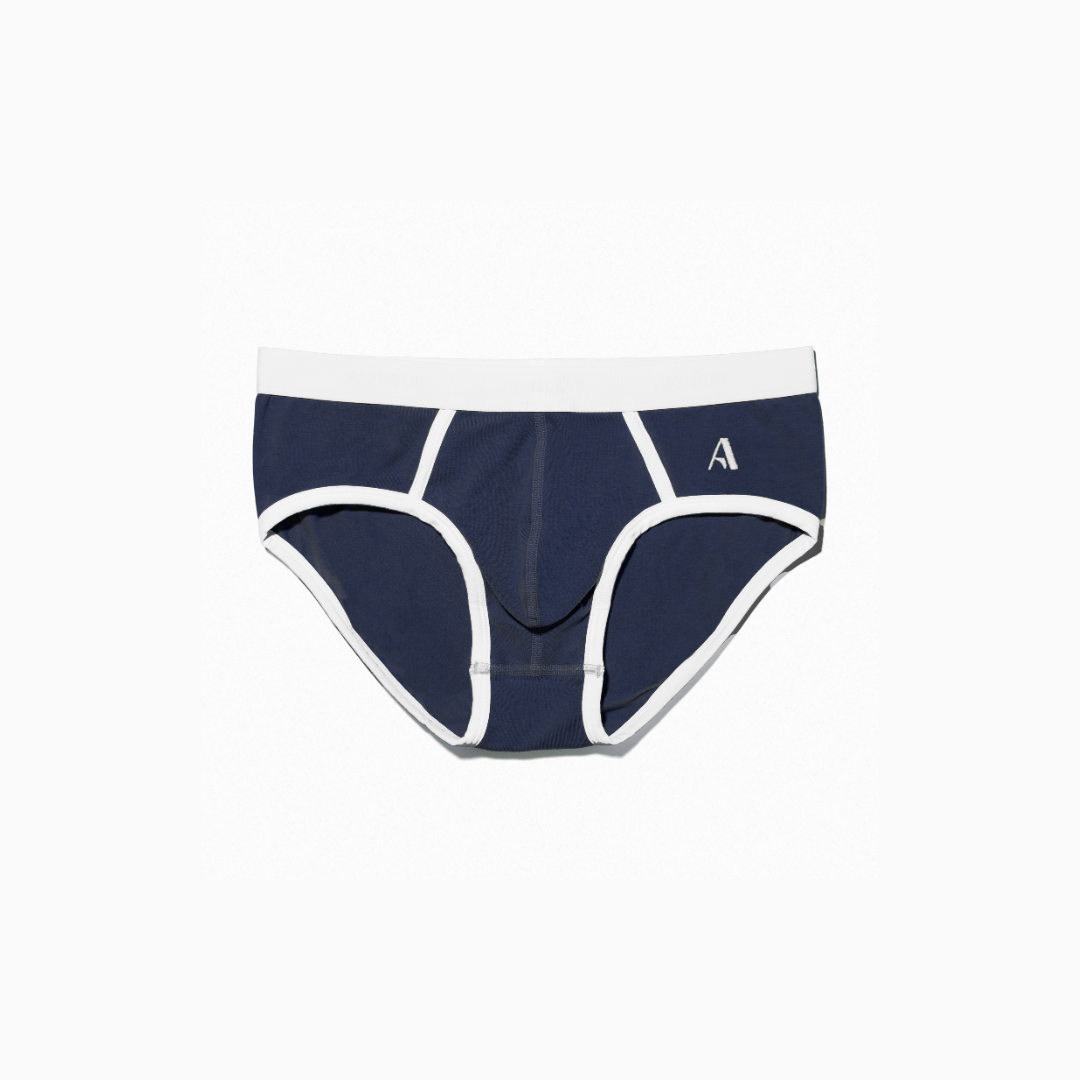
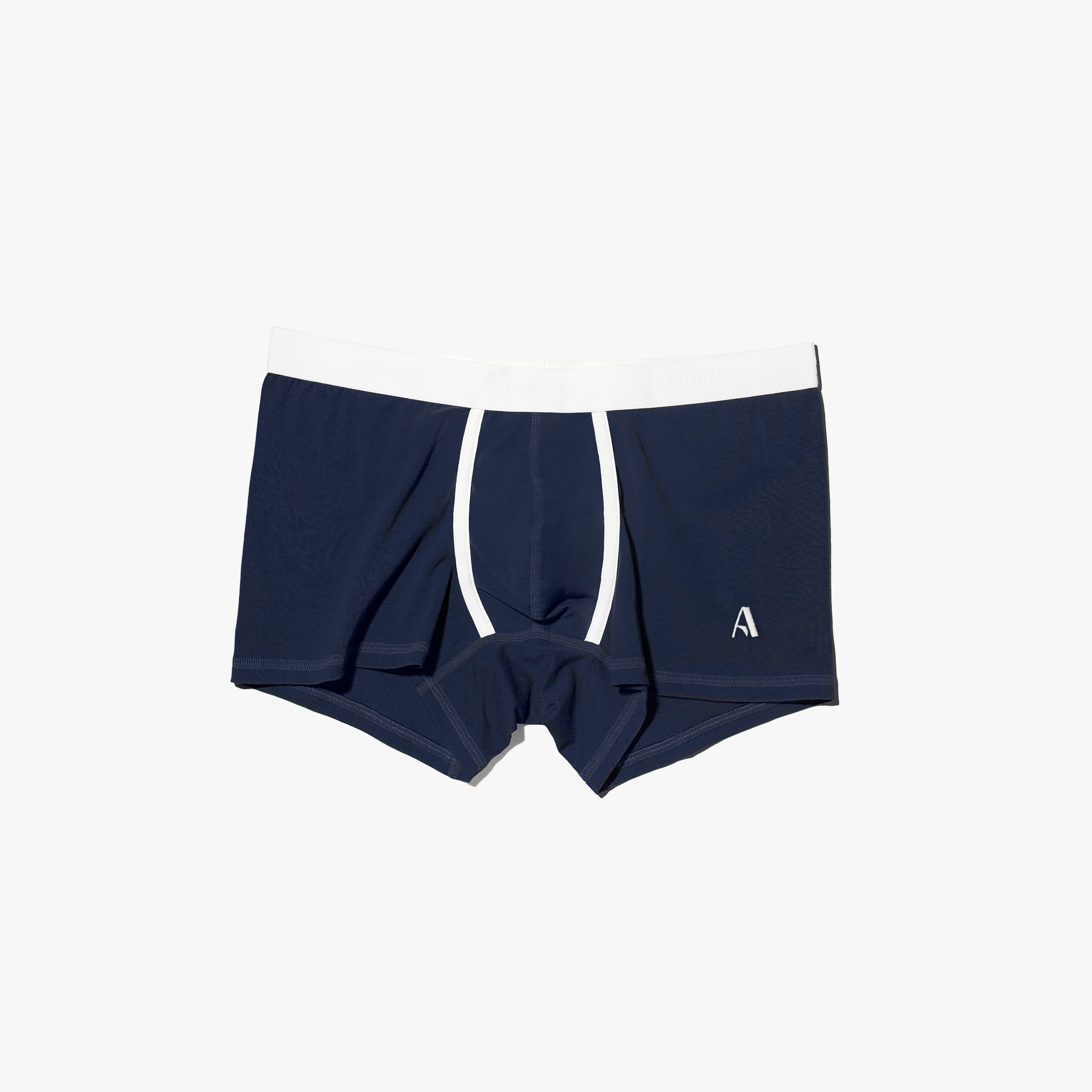
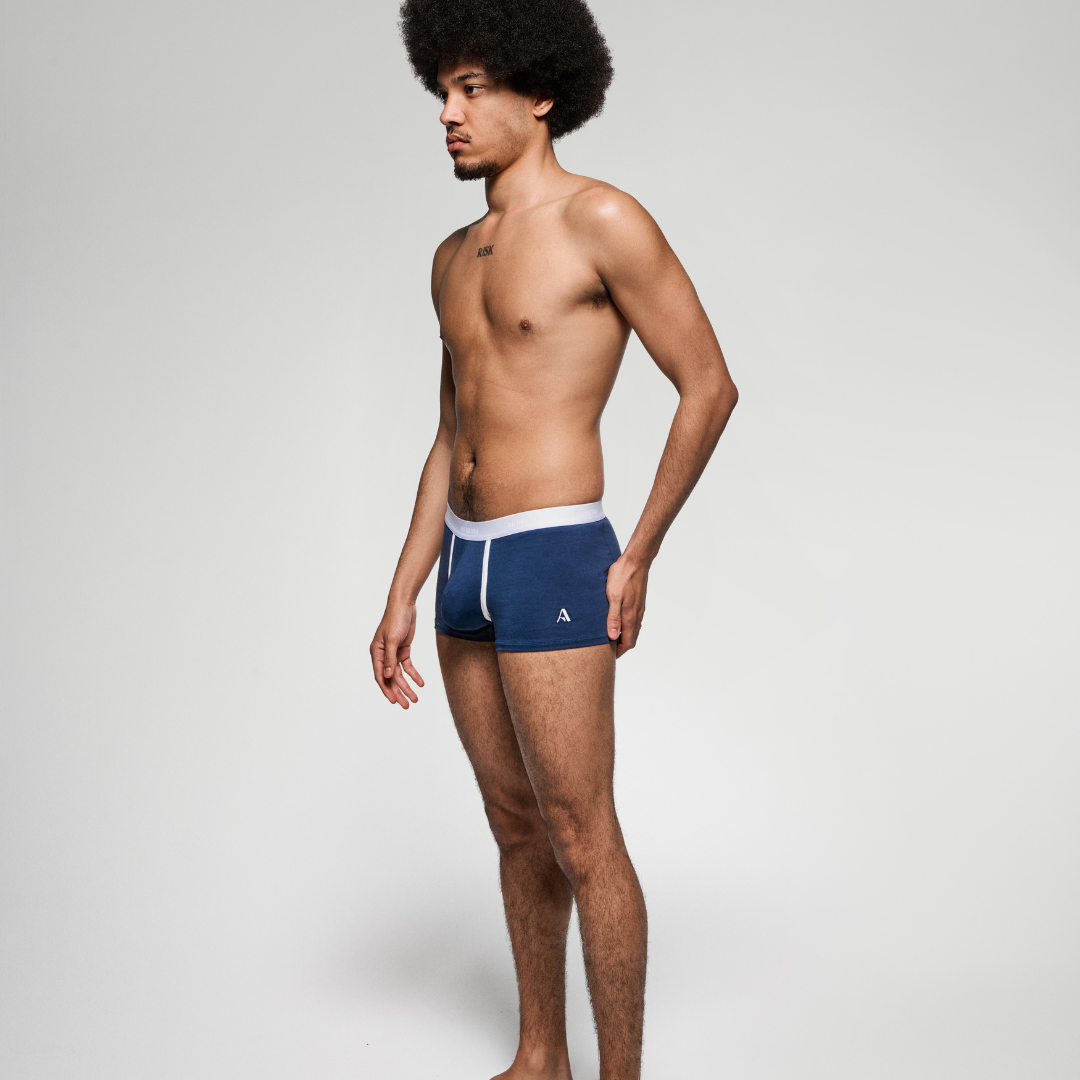
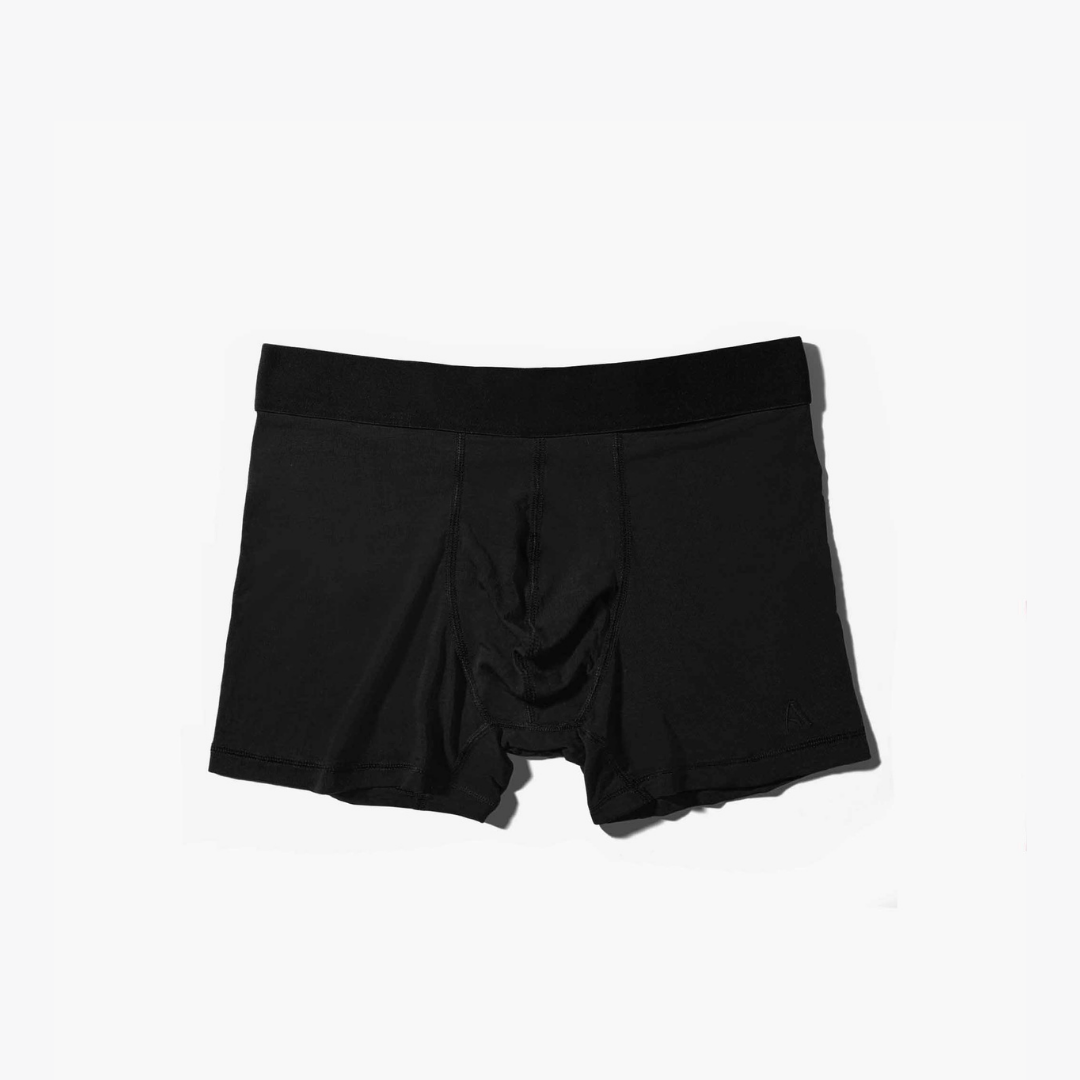
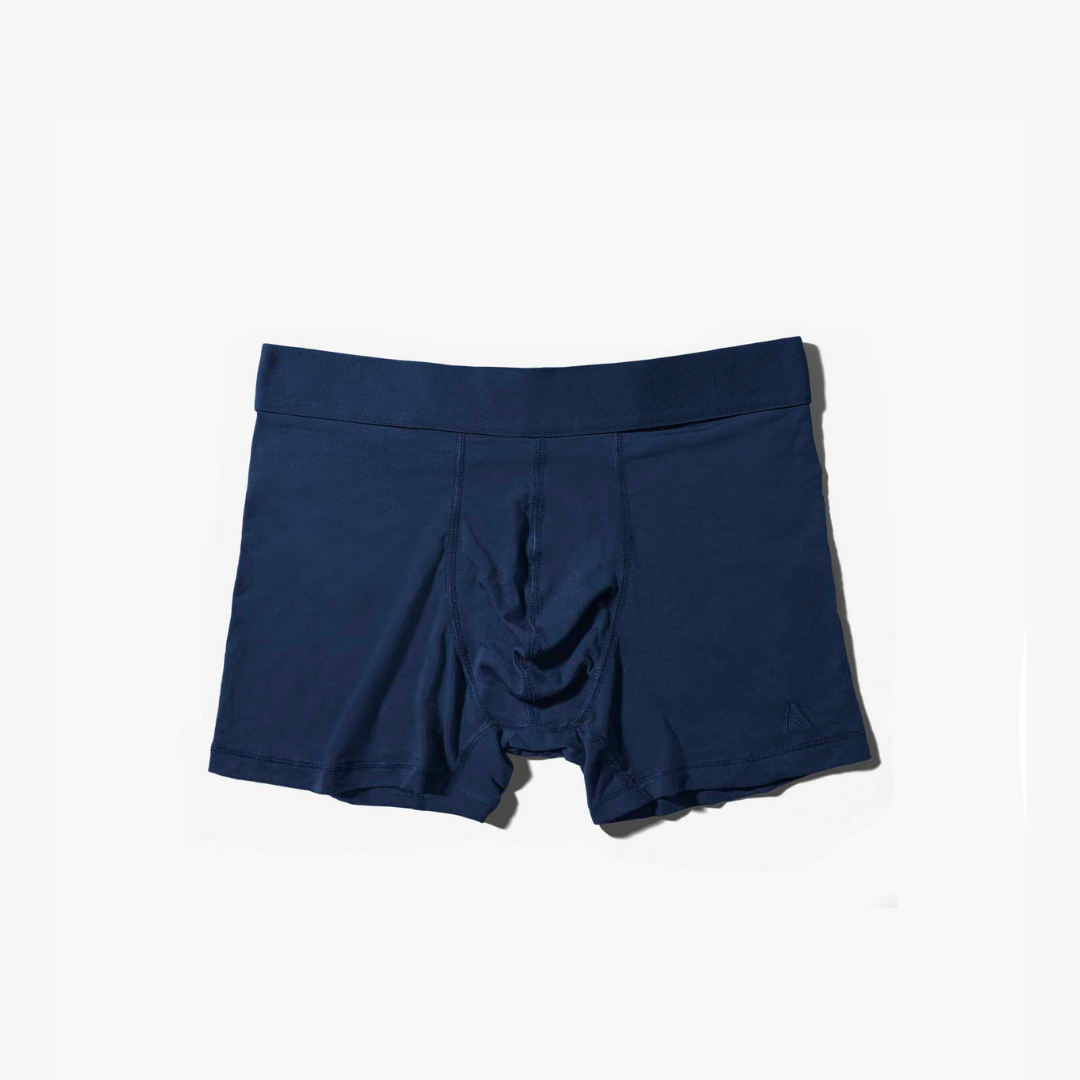
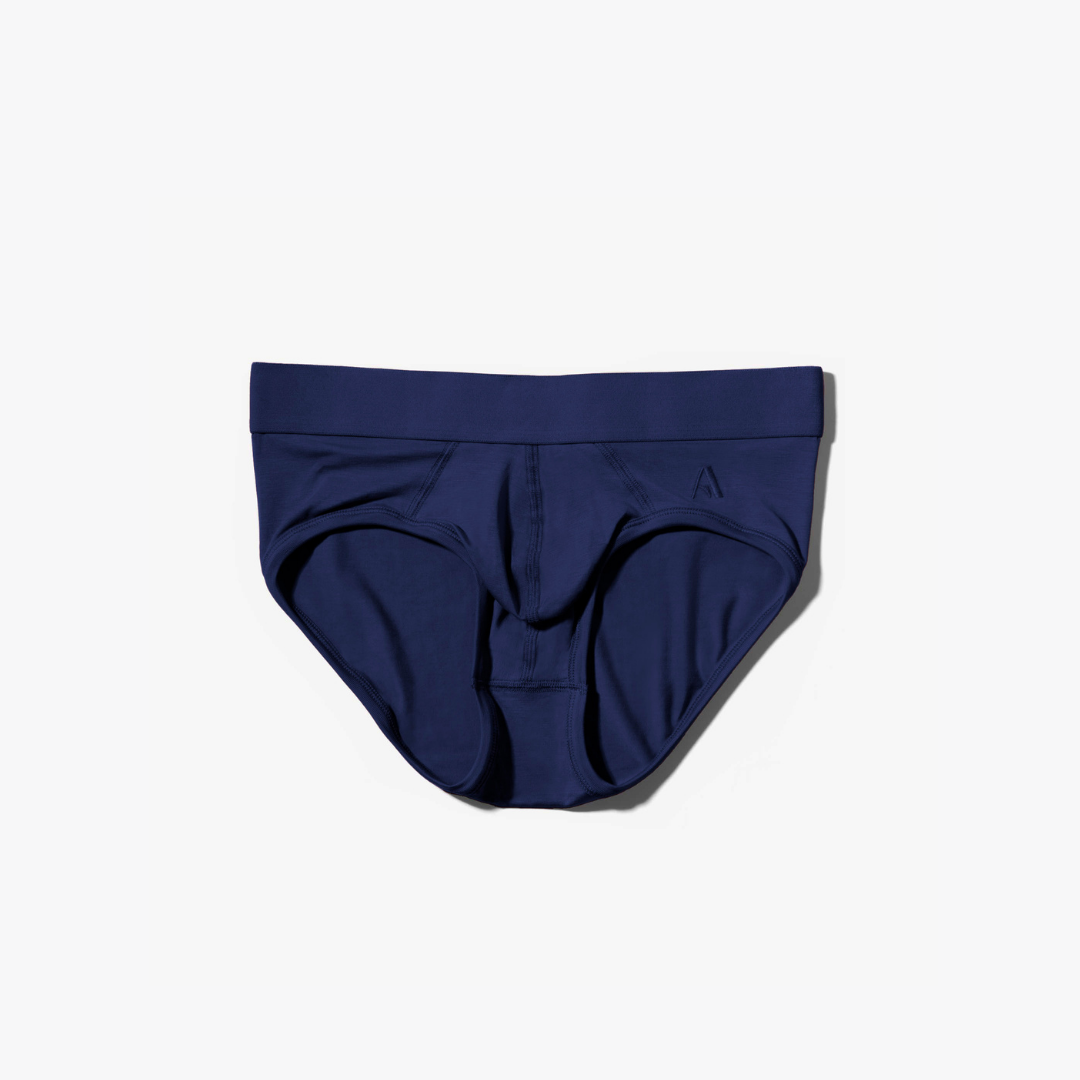
AKINOM (France): accessible premium positioning, with a technical differentiation that neither Zimmerli nor Sunspel offer—the FrontNest® system, a 3D anatomical pouch integrated into all cuts. Made in Portugal, Oeko-Tex certified materials, sizes XS-5XL.
What these brands have in common: they made a choice. Not to optimize price by degrading material or design. The fair price reflects what's in the product—not what maximizes profit by reducing production costs.
The real equation: cost per wear
An €8 pair of underwear that lasts 10 months = €0.80/month.
A €40 pair of underwear that lasts 30 months = €1.33/month.
The difference is 53 cents per month—less than a coffee. For a daily difference in comfort, material, and anatomical support.
The real question isn't "is it expensive?" It's: "what am I wearing closest to my body all day, and do I deserve better than the bare minimum?"
What consumer data indicates
BCG analyses of premium men's consumption show a gradual migration towards DTC for the 30-50 age segment. The main reasons: transparency on materials and manufacturing, perceived higher quality than brands distributed in supermarkets, and a direct relationship with the brand.
This is not a niche phenomenon. It is a structural evolution in male purchasing behavior—accelerated by the availability of information and the rise of self-care as a value.
→ Men's well-being: why comfort starts below the belt
Our analysis documents the economic and behavioral drivers of this market.
Why men are migrating to premium intimate wear. What BCG and McKinsey studies reveal about this evolution. How DTC brands are positioning themselves against historical players.
Free access.

Written by Florian Wernert