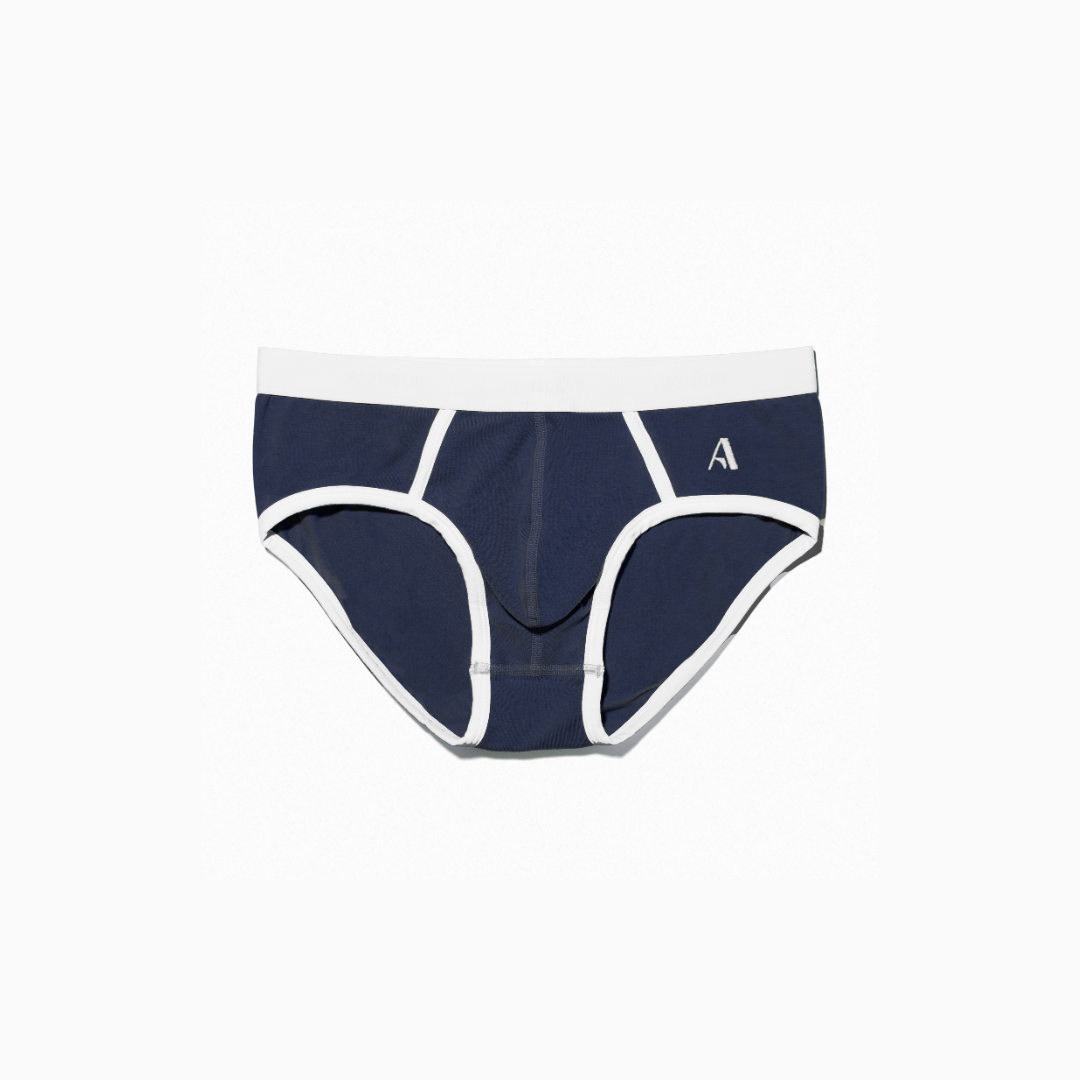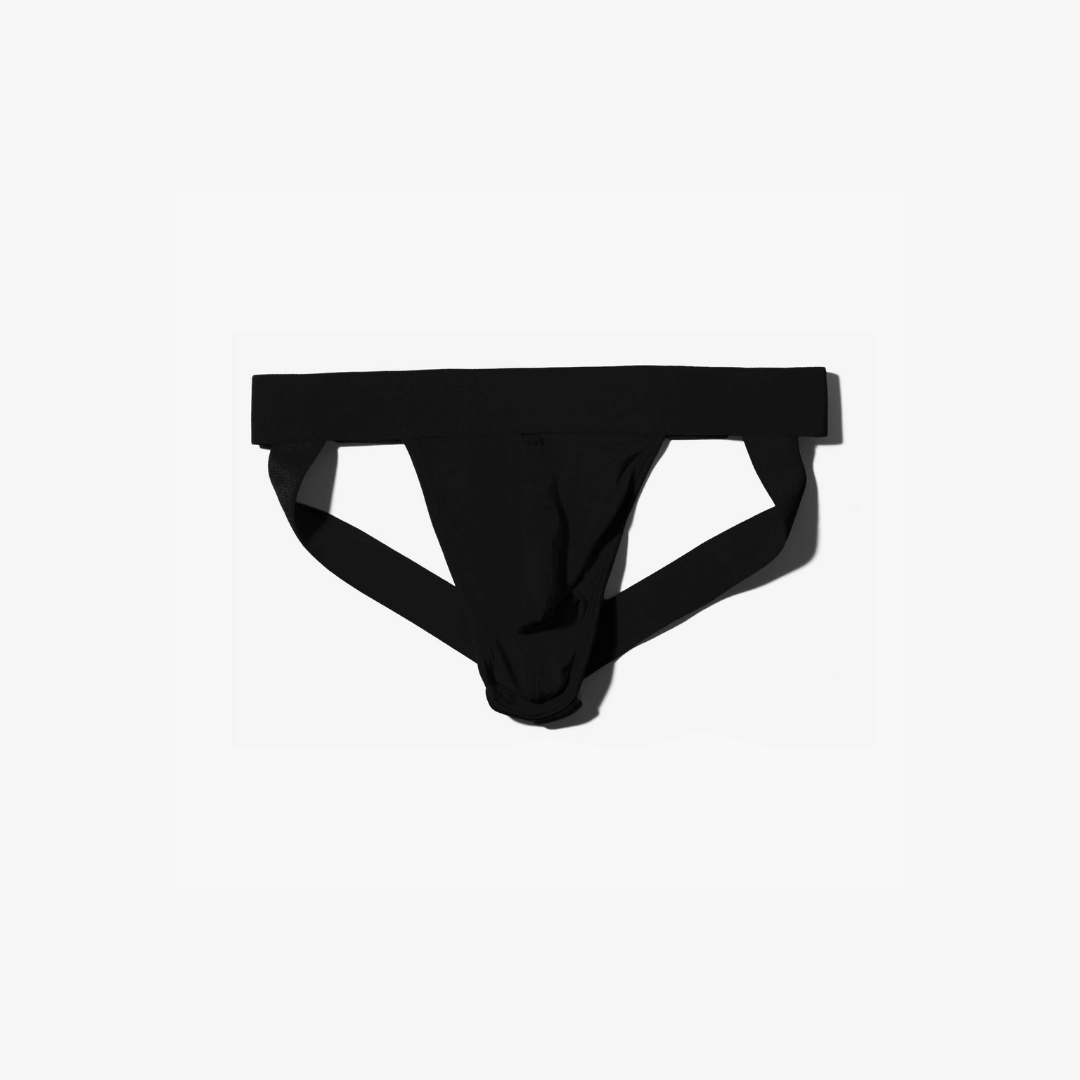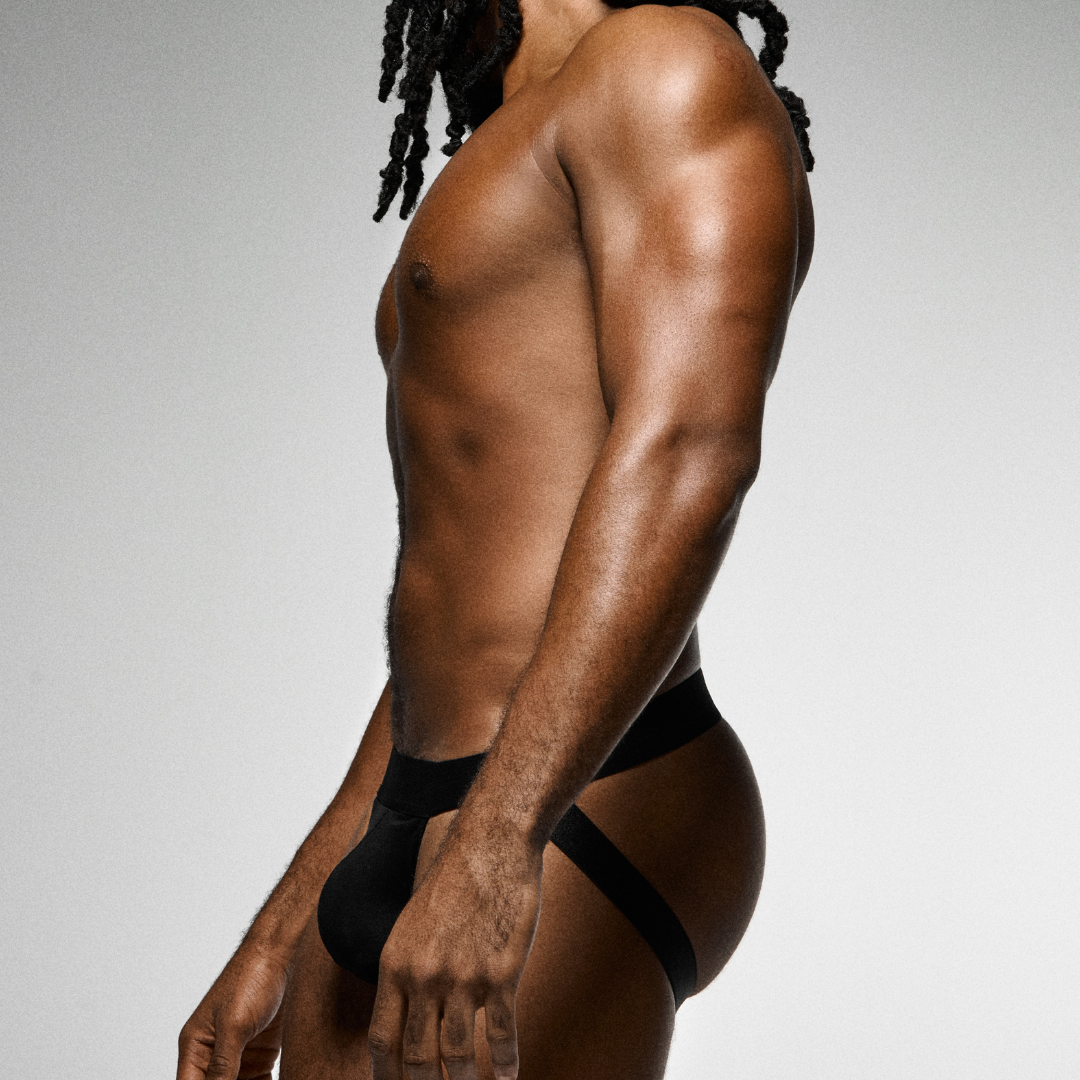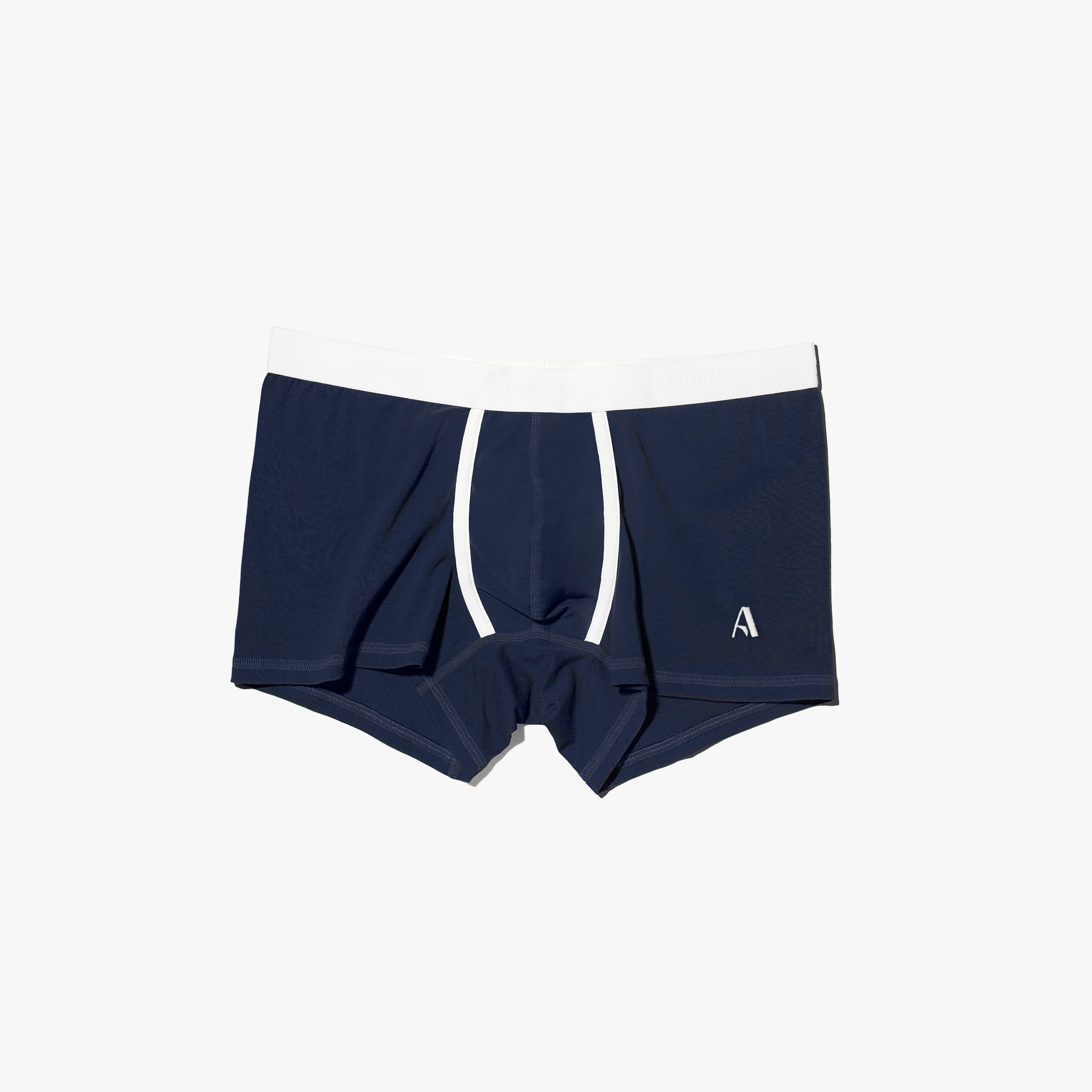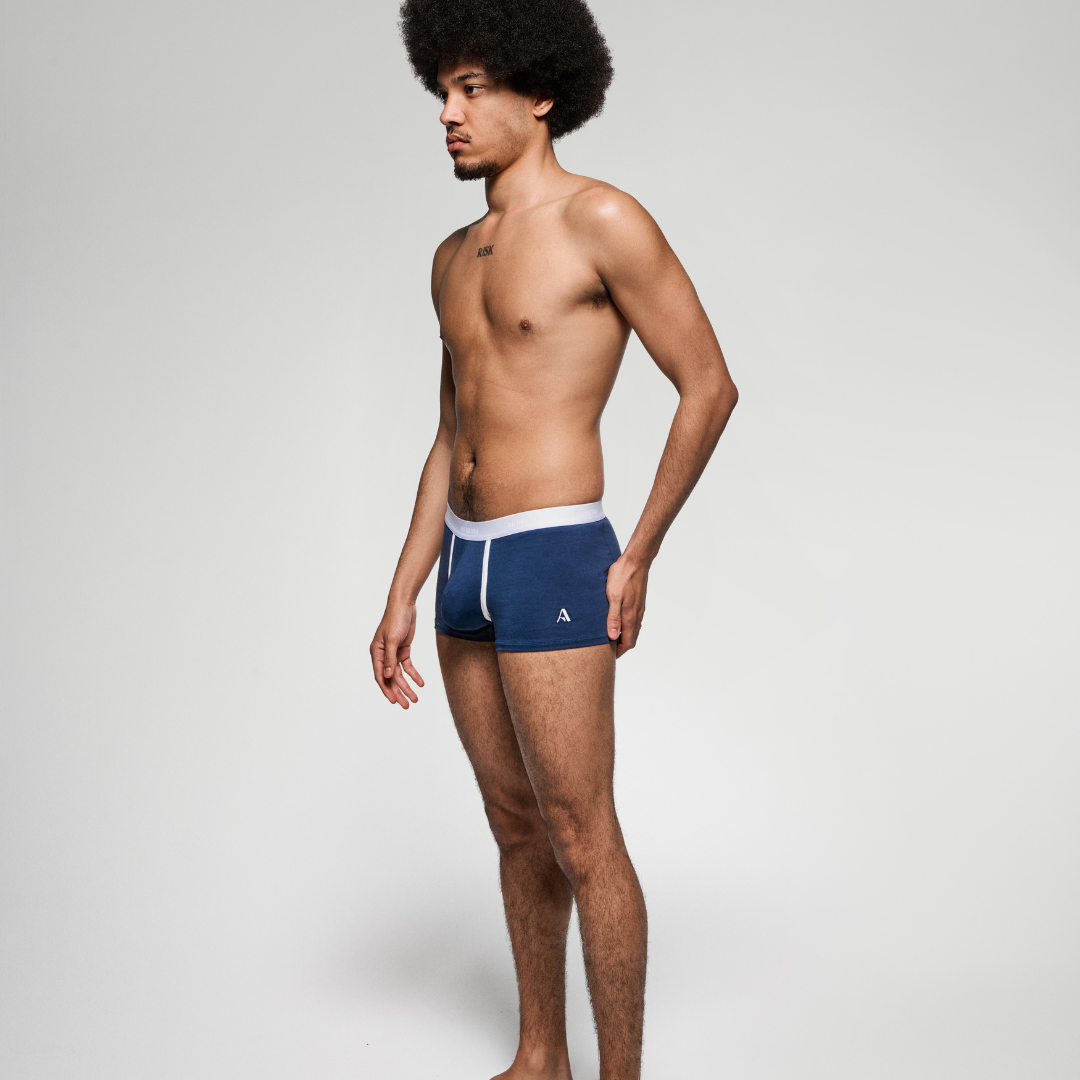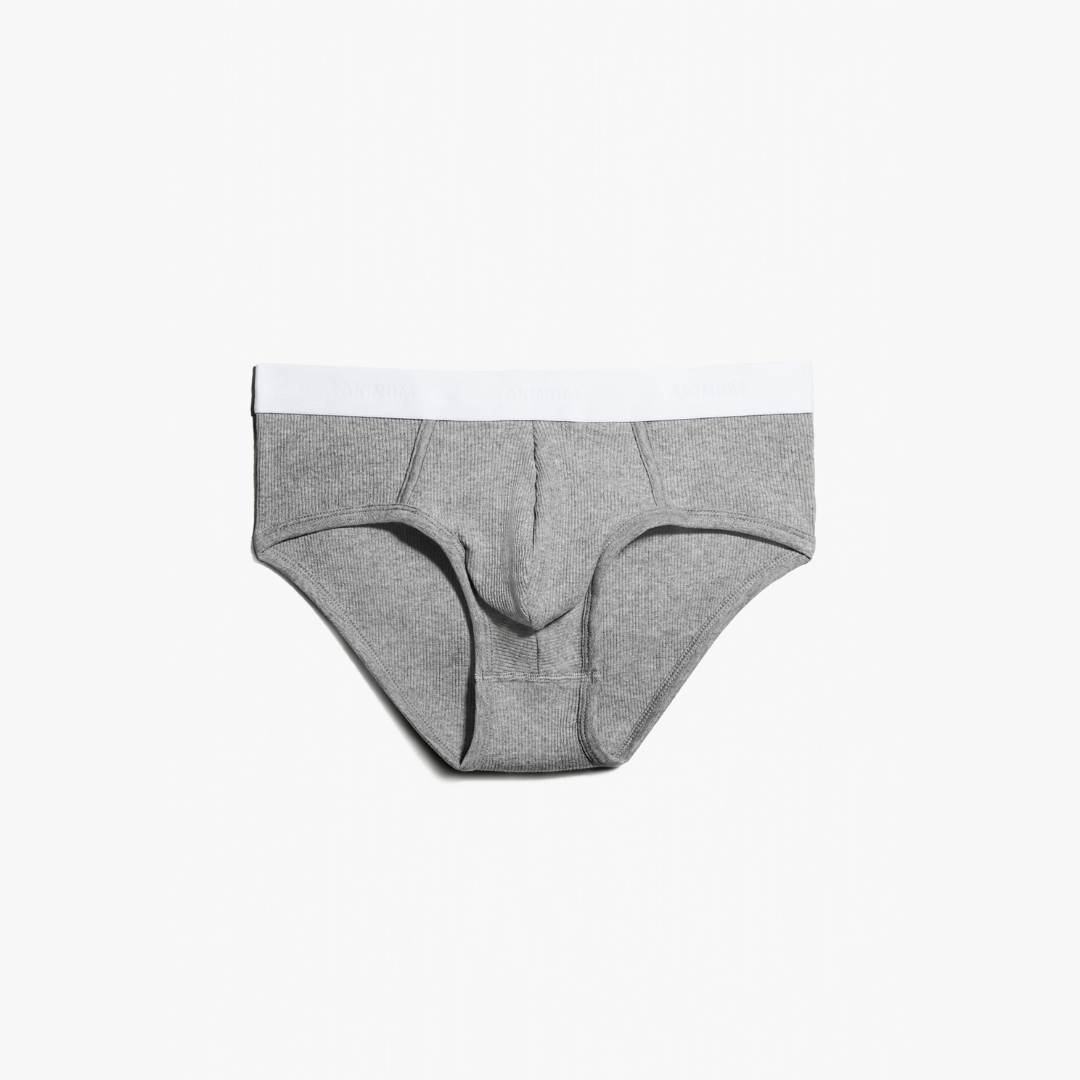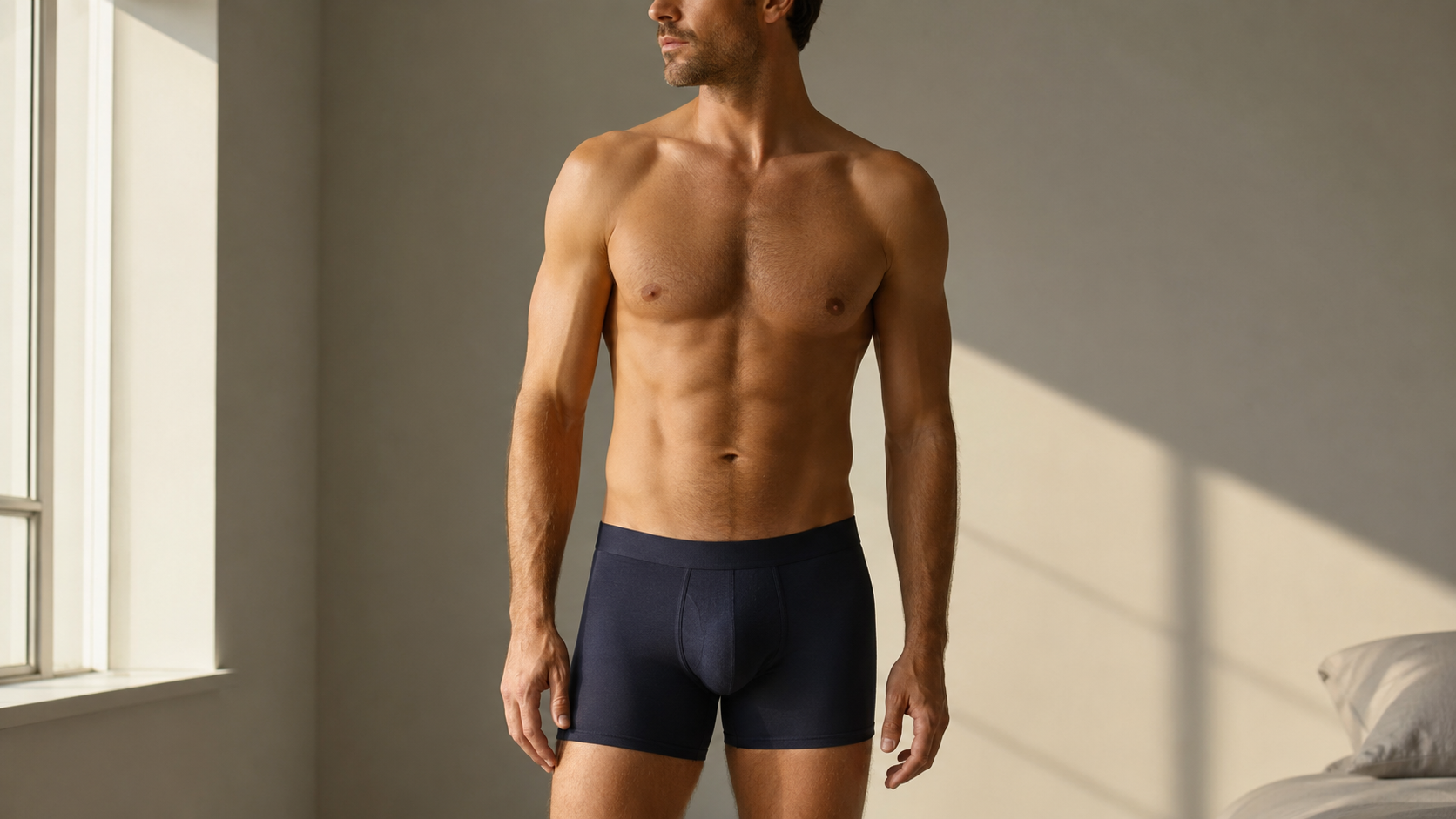
Men's Wellness: Why Comfort Starts There
A few years ago, when I talked about men's underwear with friends, the reaction was invariably the same: a polite smile, a change of subject. Not because the topic was taboo—but because it seemed trivial.
That's no longer the case. And the reason goes deeper than a passing trend.
A changing relationship with the body
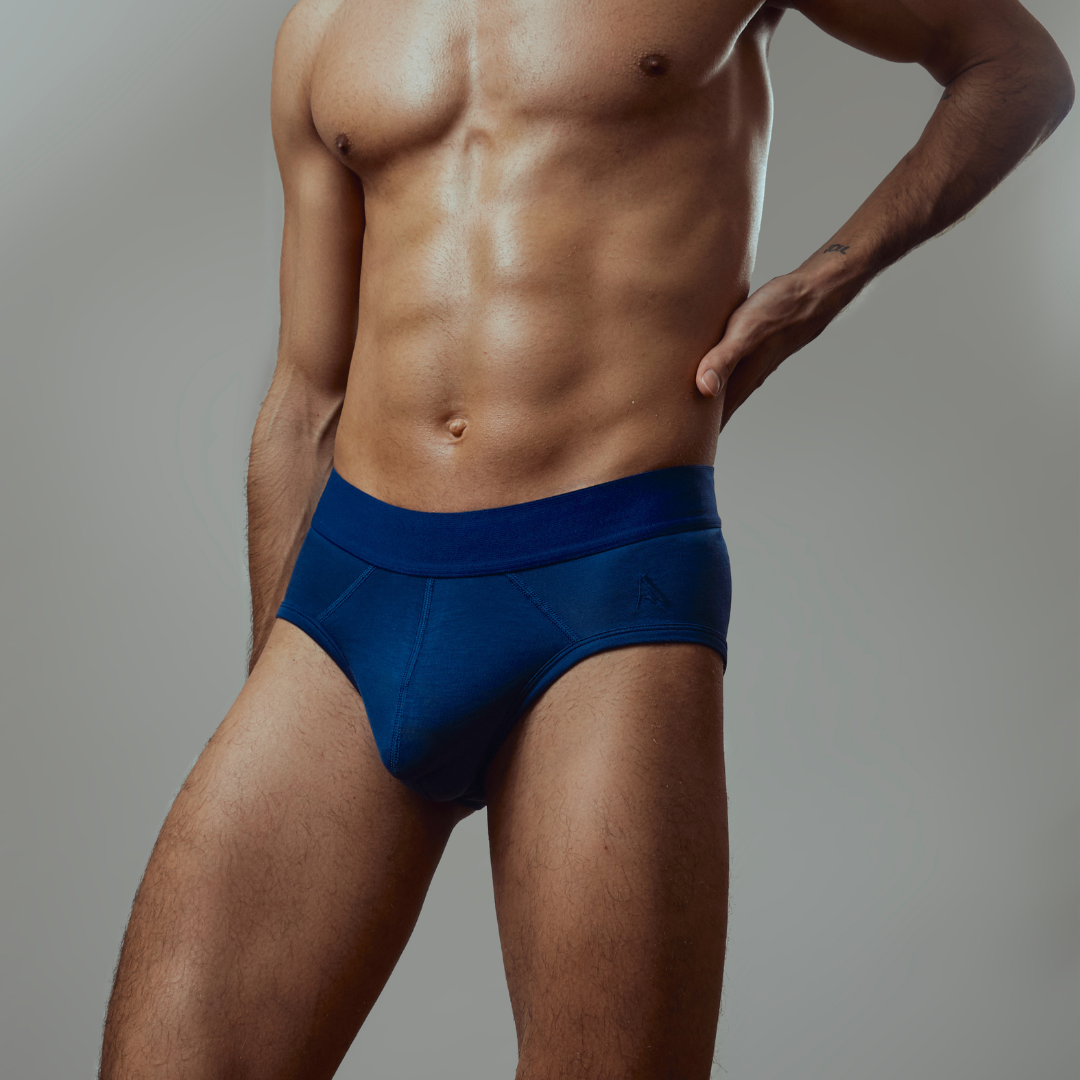
Men over 30 have changed their relationship with what they wear. Not in terms of aesthetics—but in terms of the actual bodily experience. What feels good on a daily basis has become a value criterion in its own right.
McKinsey & Company's analyses of men's luxury and premium markets have documented this for several years: the shift in value is from demonstrative to experiential. What matters now is less what the product signals to others and more what it makes the wearer feel.
Underwear—worn closest to the body, invisible, in constant contact—crystallizes this transformation. Precisely because it is invisible, it has become revealing.
What men have learned to accept
Compression. Readjustments. Accumulated heat. Chafing when sitting. The majority of men have experienced these discomforts for so long that they have normalized them.
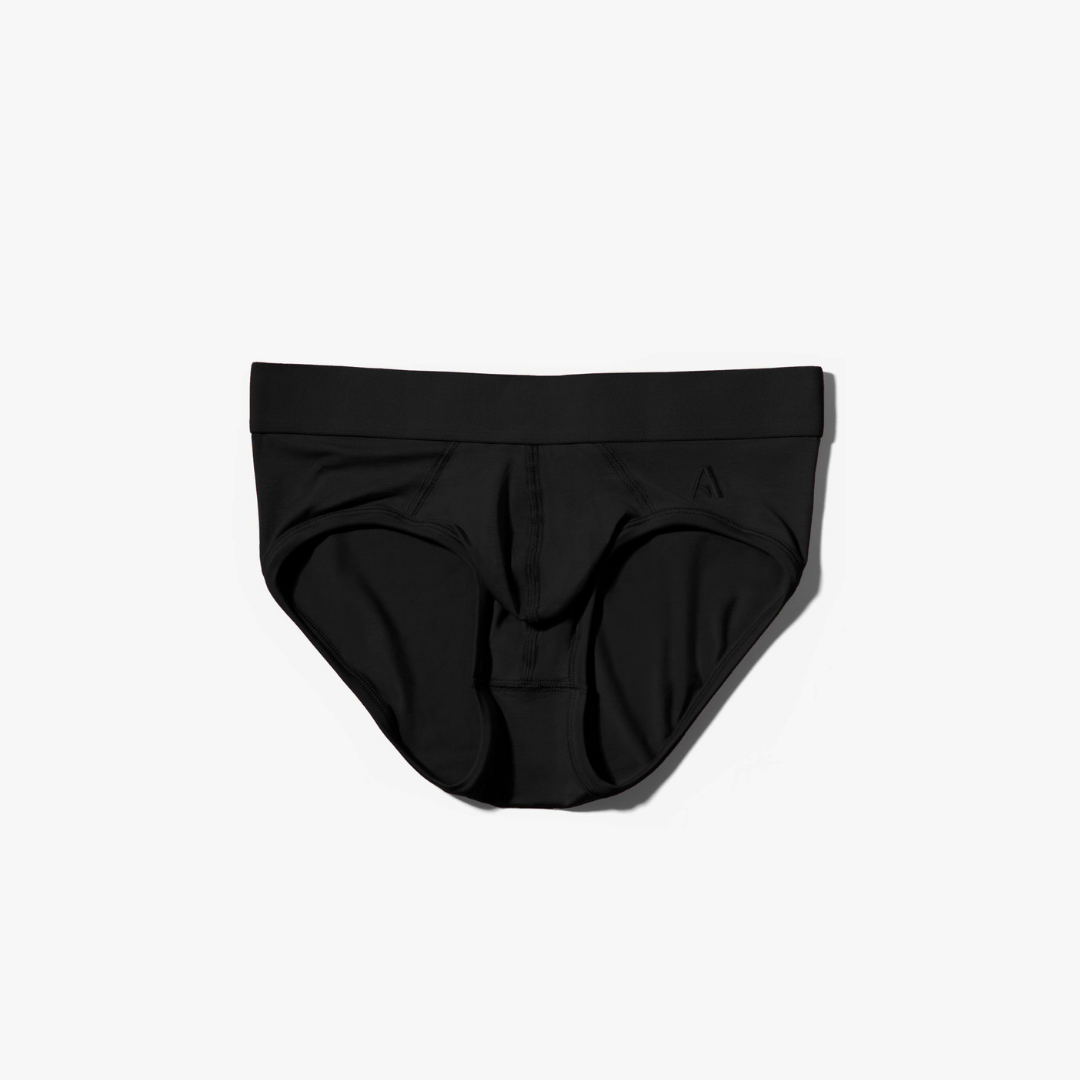
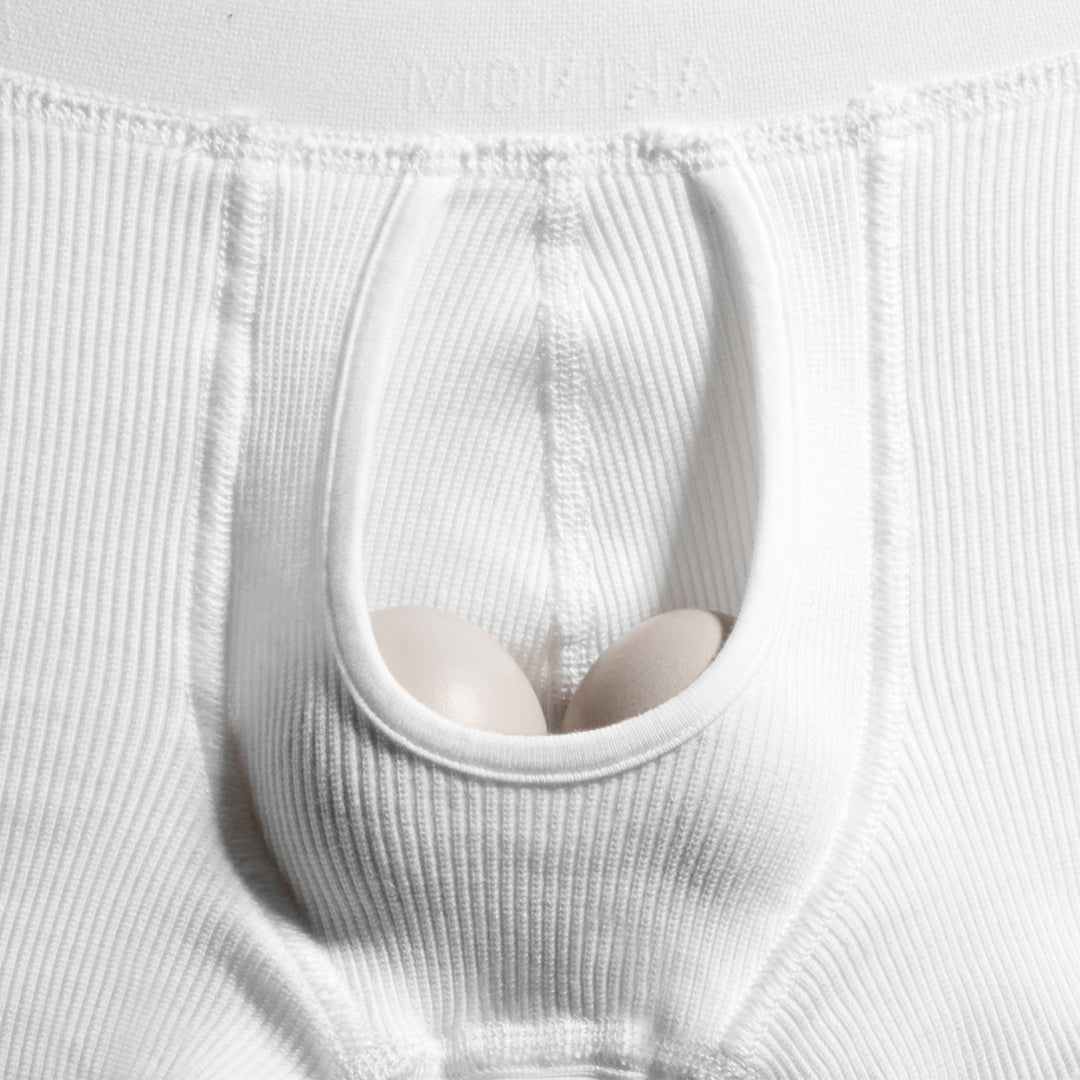
It's not a question of morphology or particular sensitivity. It's a question of design. The vast majority of men's underwear is designed flat, without taking real anatomy into account—because it's simpler to manufacture, and no one complained loudly.
It is precisely this silent acceptance that constitutes the opportunity for brands that have chosen to do things differently.
Comfort as an act of daily self-care
Self-care is not limited to visible grooming—beard, skin, haircut. Care begins with what you choose to wear next to your body, first thing in the morning, for the entire day.
It's not luxury. It's consistency.
Ipsos studies on quality perception show that comfort directly impacts three levers: brand trust, propensity to recommend, and purchase recurrence. In the premium world, comfort is no longer a bonus—it's the proof.
What customers say
Since I launched AKINOM, the most striking customer feedback hasn't been about aesthetics or price. It's about the experience of wearing something that is forgotten.
One customer writes: "To my knowledge, the only manufacturer currently offering a range of comfortable products genuinely adapted to male anatomy."
Another: "You don't feel like you're wearing something; you savor the sensation. The attributes instinctively find their place to the point of being completely forgotten."
What they describe is not an exceptional product. It's simply what well-designed underwear should be.
Why this market is changing now
Three factors are converging at this moment:
The hybridization of uses: telework and mixed lifestyles have made men more attentive to what they wear throughout the day. What can be ignored during a two-hour meeting becomes unbearable during eight hours of home office.
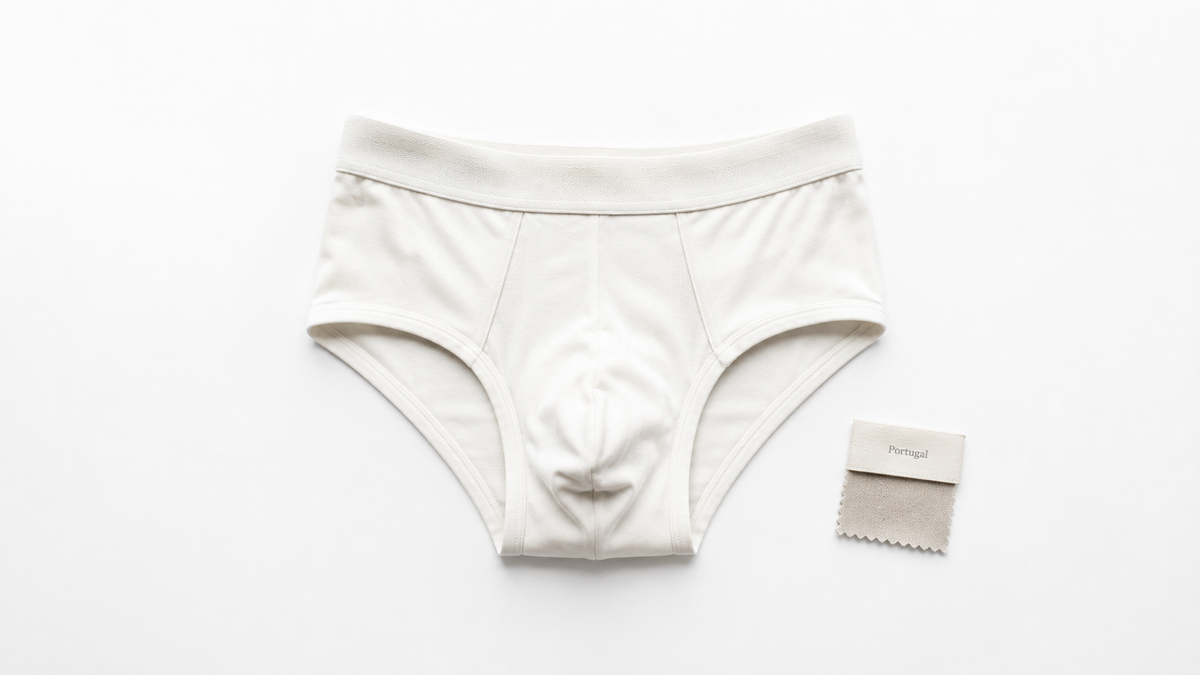
The rise of DTC (Direct-to-Consumer): brands that control their production chain—from material to the end customer—can invest in design where mass-market brands compromise on costs.
The growing legitimacy of male self-care: what was once perceived as a niche concern has become mainstream. Taking care of oneself, including in one's most discreet wardrobe choices, is now integrated into a common understanding of male well-being.
→ How to choose men's underwear: the guide
I have written a complete analysis on this subject. It is available for free.
A sociological, economic, and behavioral analysis of how comfort redefines the male wardrobe. Sources: McKinsey, BCG, Ipsos, Institut Français de la Mode. 2,800 words.

Written by Florian Wernert