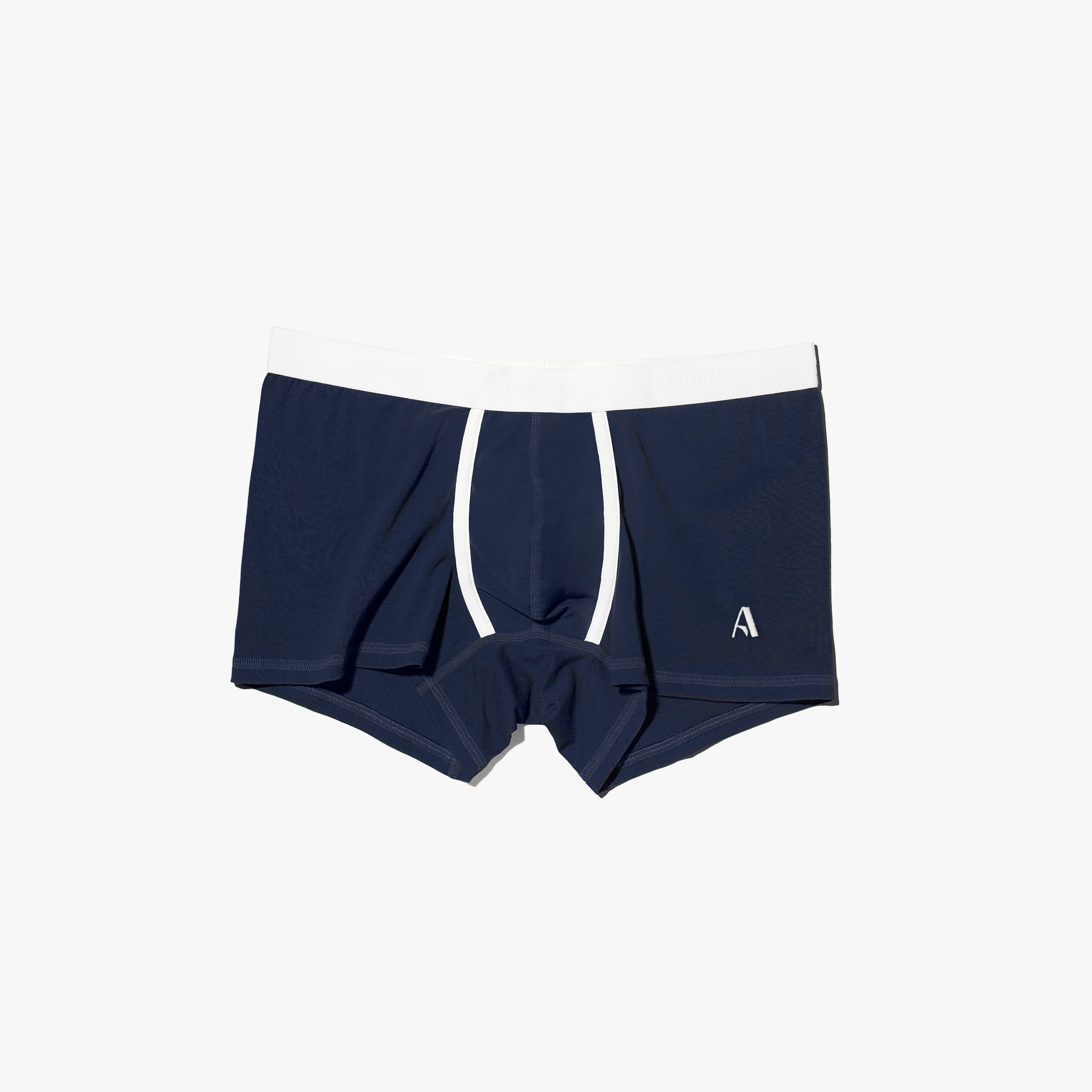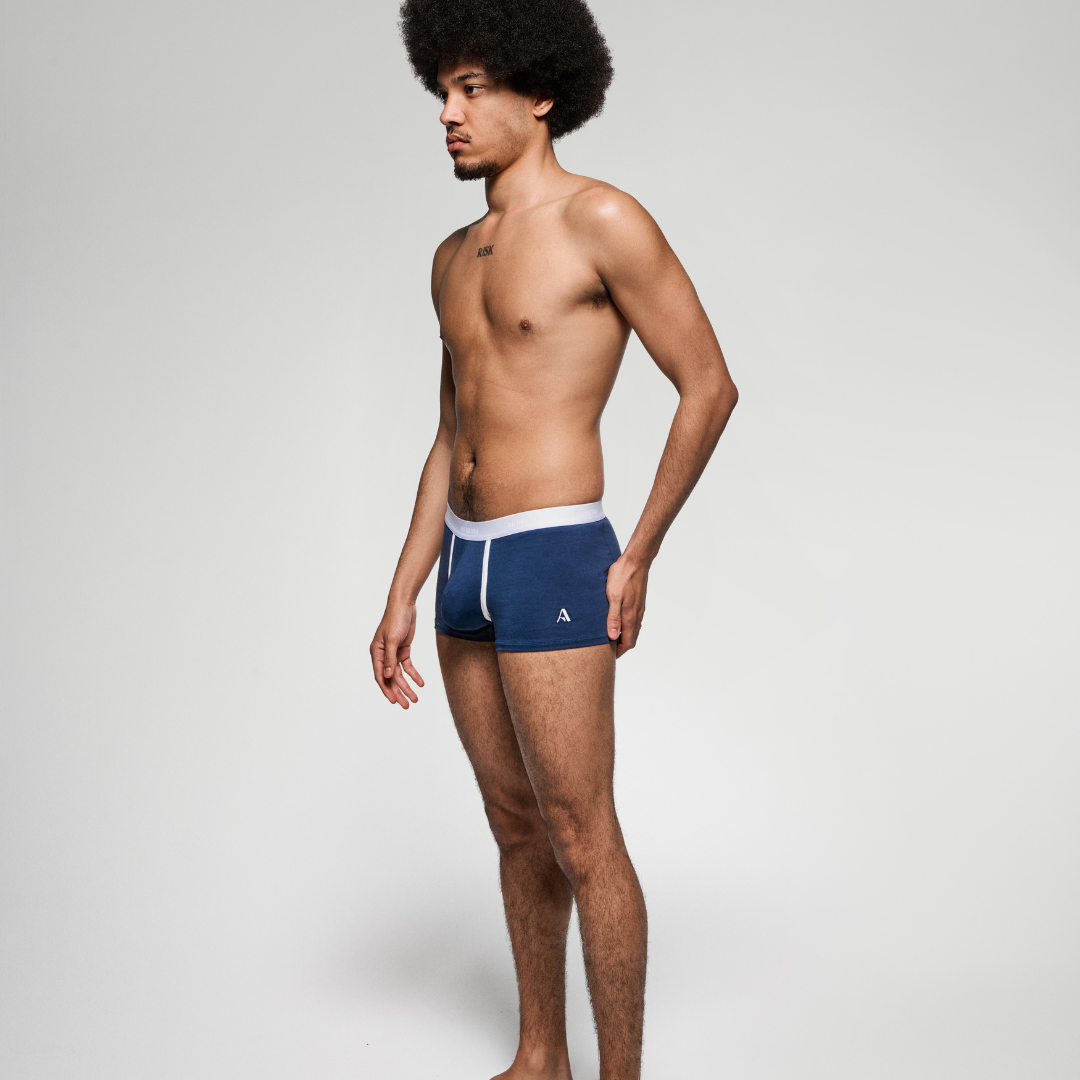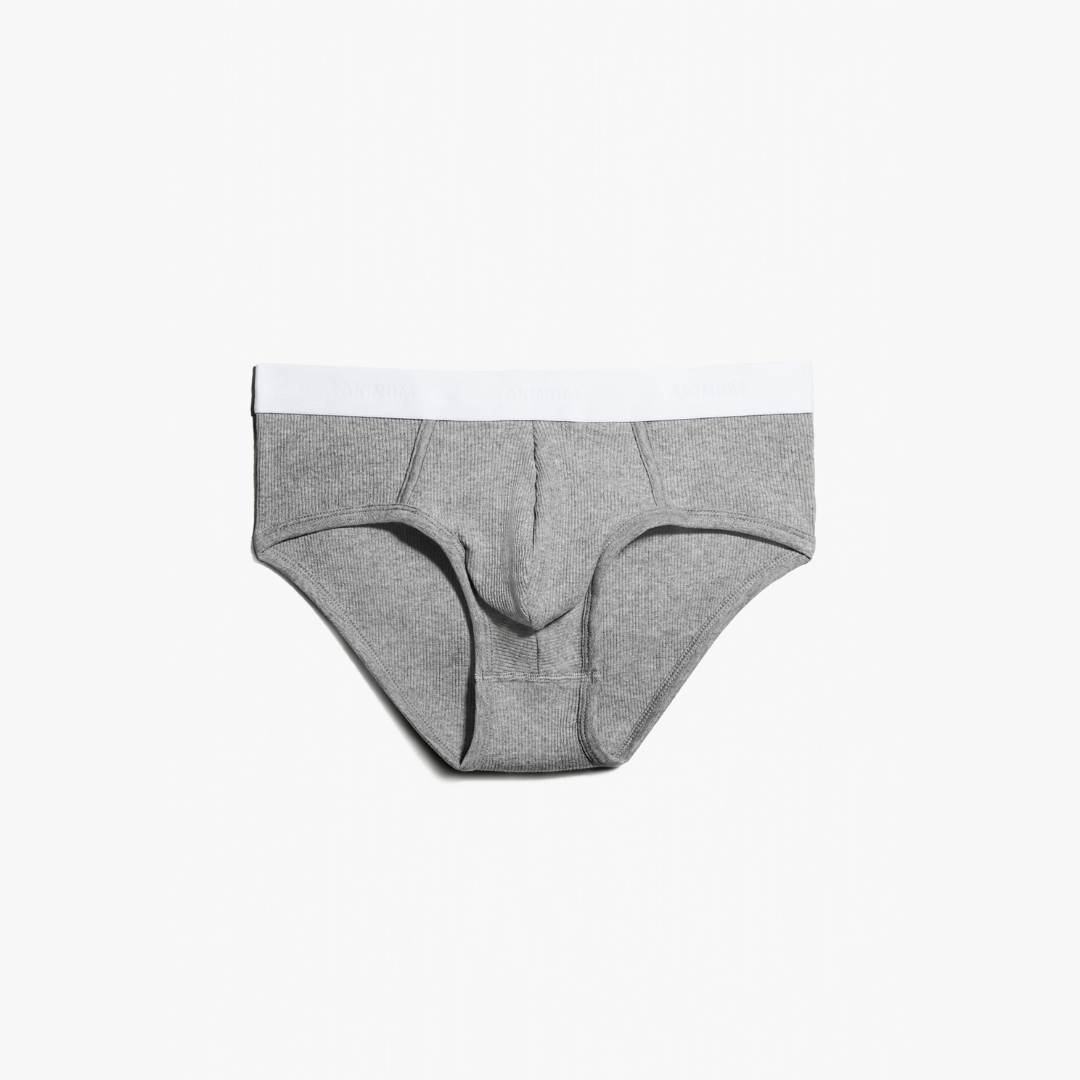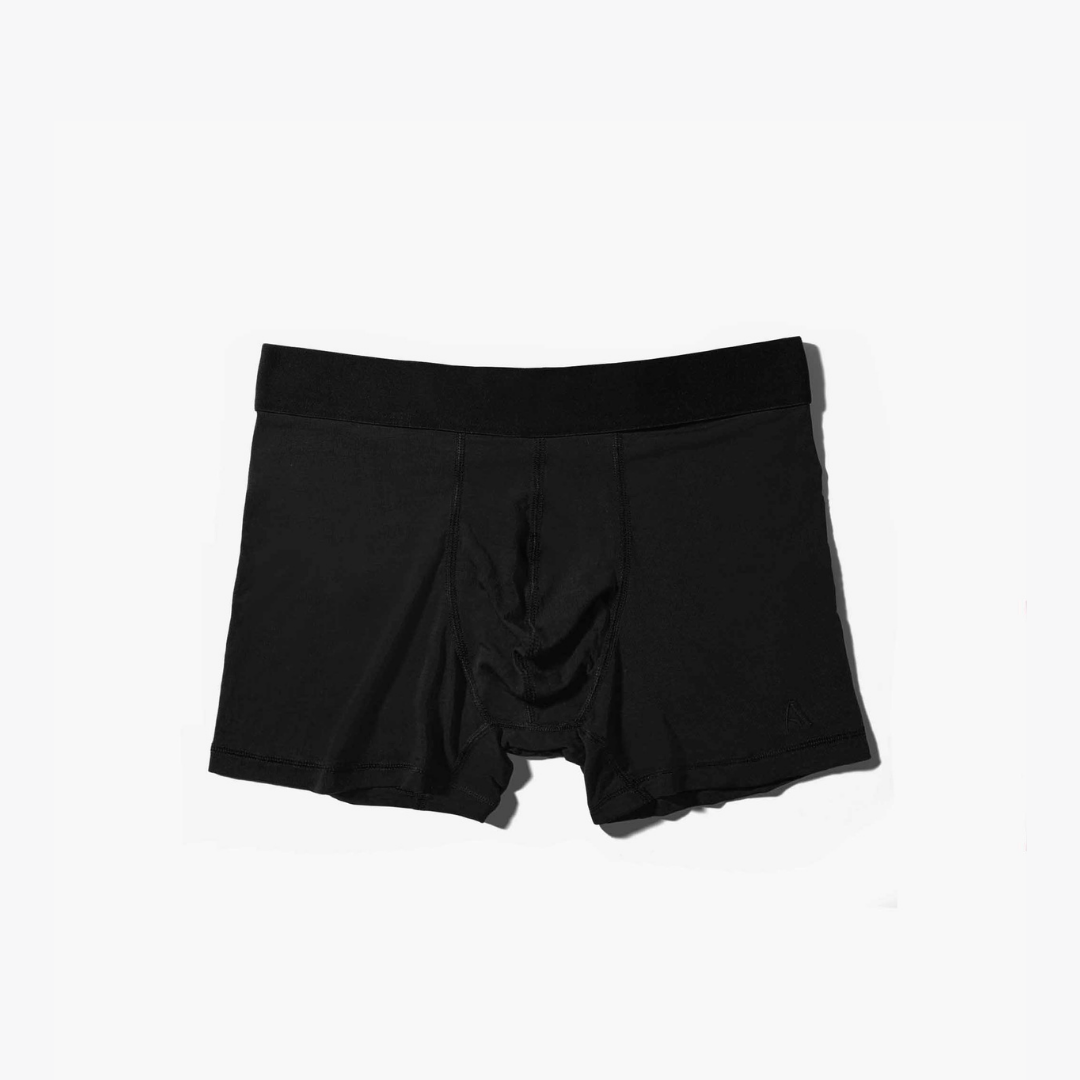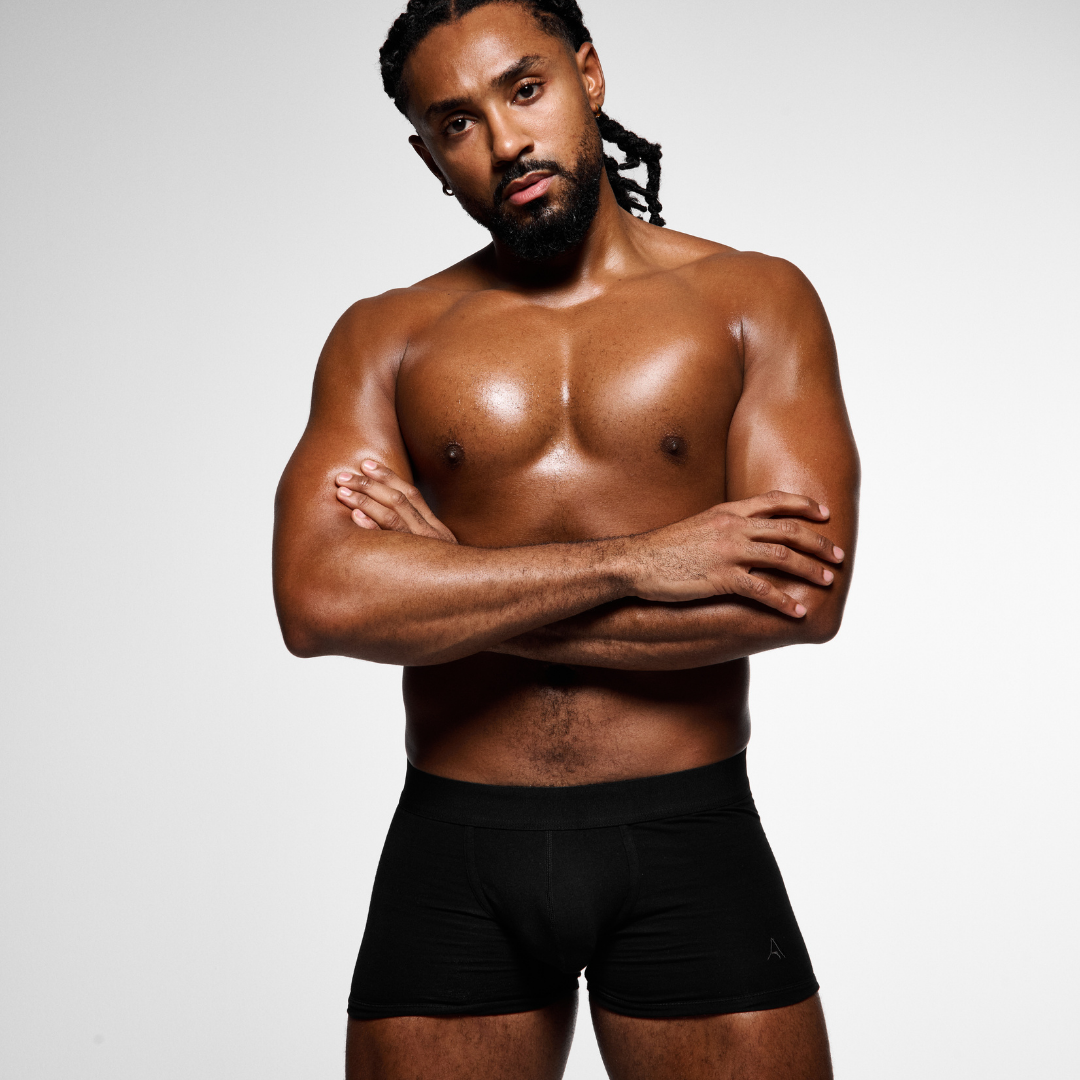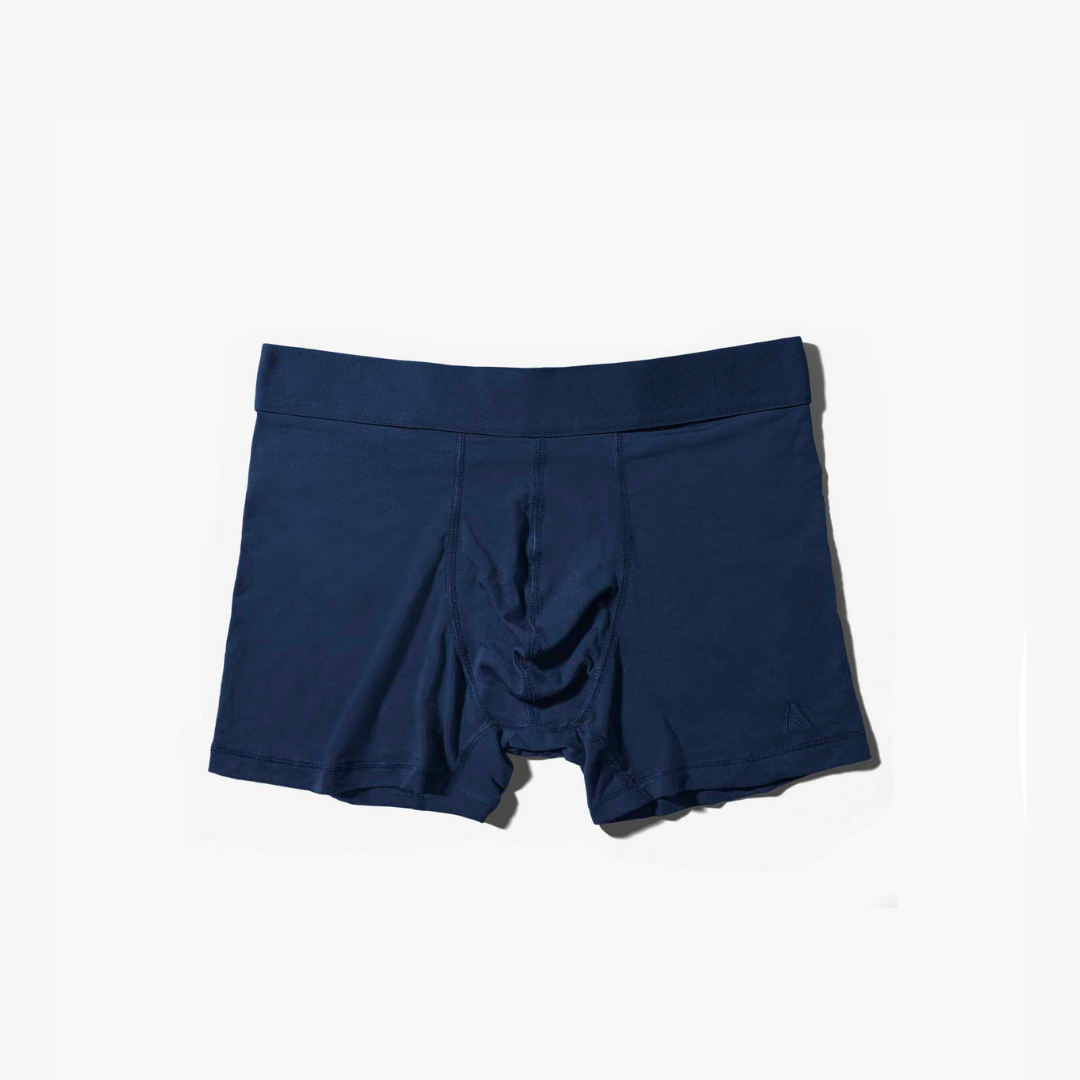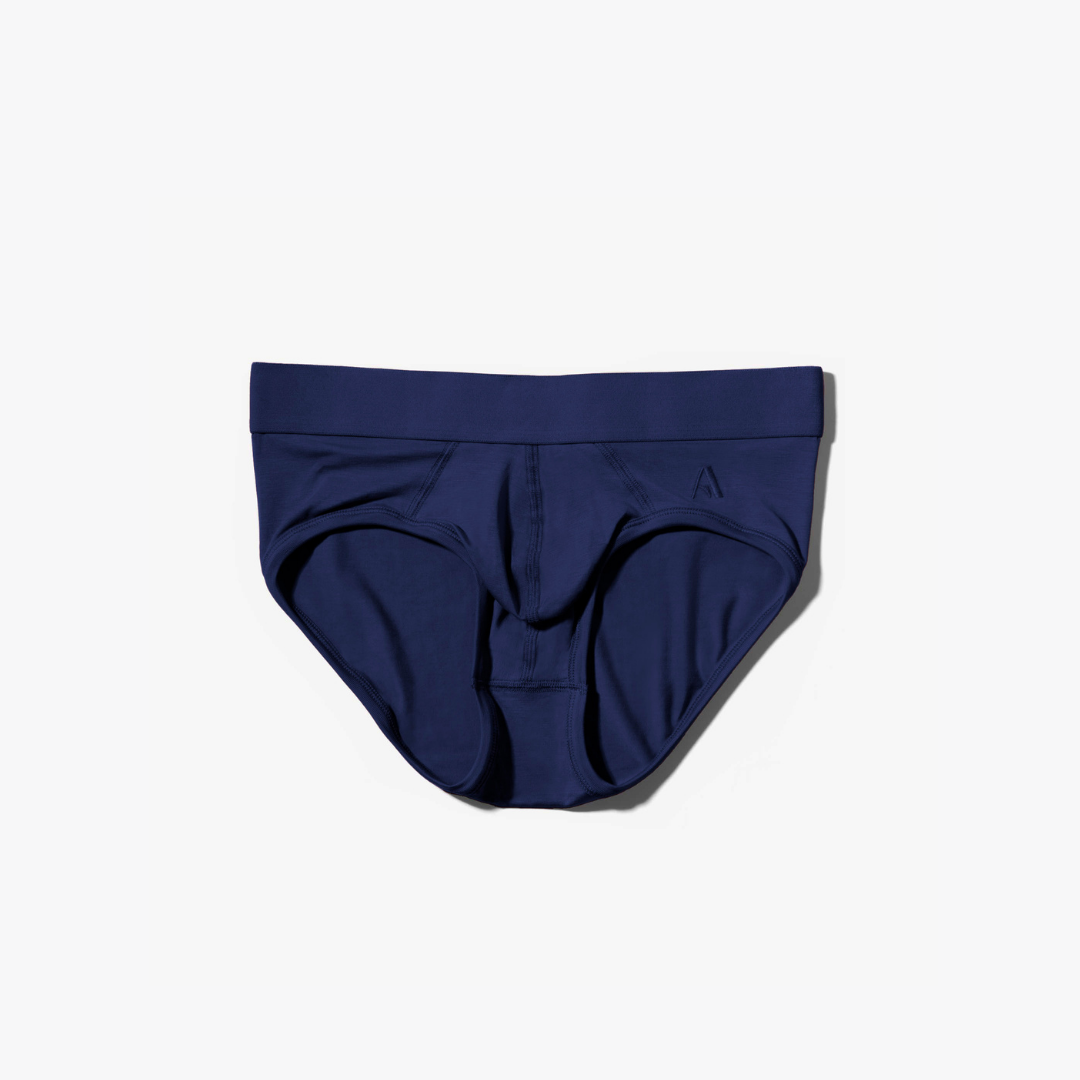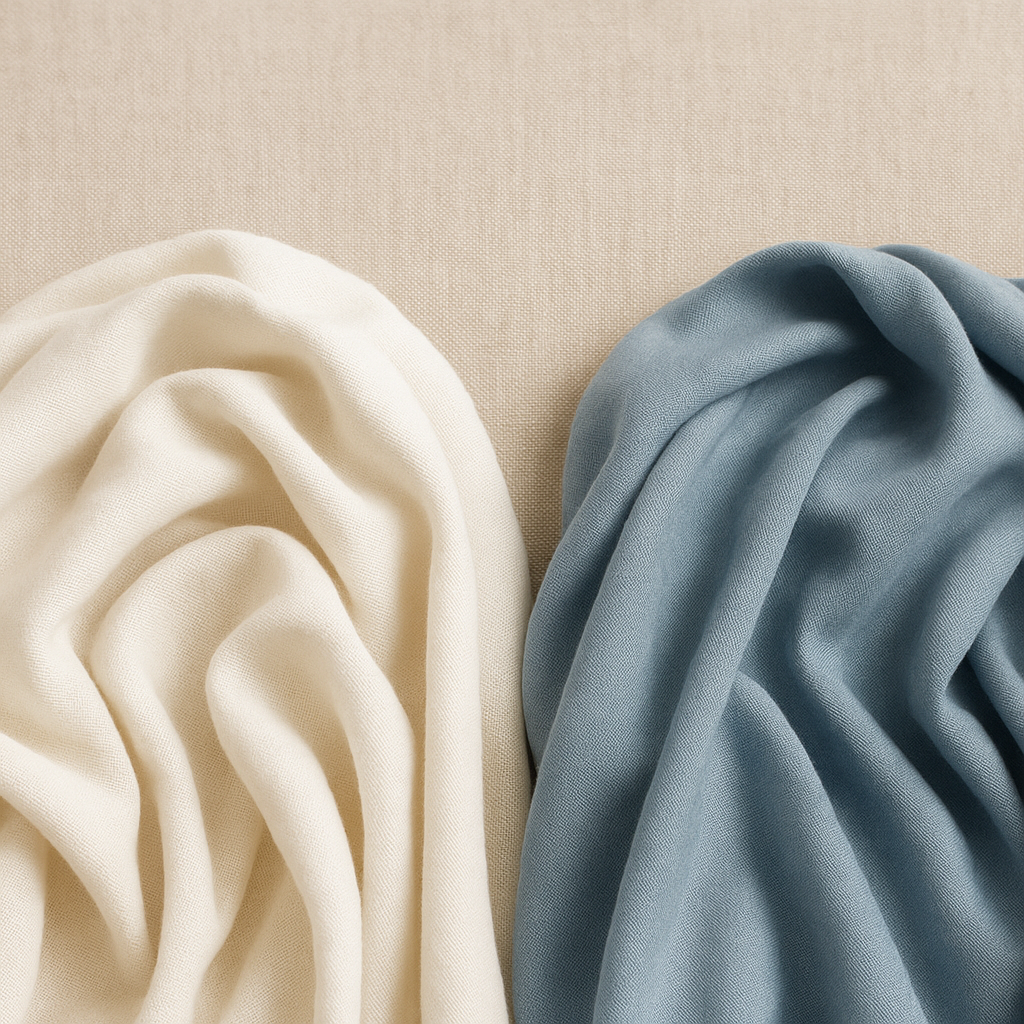
Organic cotton or lyocell: which material to choose for your underwear?
Organic cotton and lyocell – these two materials form the core range of premium men's underwear at Akinom. They have distinct properties, preferred uses, and specific care requirements. This guide honestly compares them to help you choose based on your actual use, not on marketing claims.
What do these two materials have in common?
Both are natural fibers, Oeko-Tex Standard 100 certified, with no irritating chemical substances in the final fiber. They are both superior to conventional cotton and synthetic fibers (polyester, nylon) on criteria that matter for underwear: softness, breathability, and skin tolerance.
The difference lies in the details — and these details make a difference over a 16-hour day of wear.
What is organic cotton?
Organic cotton is cotton grown without pesticides, synthetic chemical fertilizers, and GMOs. It is certified by independent bodies (GOTS, Oeko-Tex) that control the entire chain — from field to finished product.
Its fiber is structurally identical to conventional cotton, but the absence of chemical residues makes it softer, better tolerated by sensitive skin, and more environmentally friendly. It consumes significantly less water than irrigated conventional cotton and preserves soil biodiversity.
What distinguishes it in use: its durability. Organic cotton withstands repeated washing better than lyocell. It is the ideal material for intensive use — several washes per week, versatile daily wear, all seasons.
What is lyocell?
Lyocell is a fiber of plant origin produced from eucalyptus or pine pulp, processed using a closed-loop system that recycles up to 99% of the solvents used. The certified and traceable version on the market is sold under the Tencel™ brand by Lenzing AG, a leading Austrian producer.
Its microscopically smooth fibrous structure gives it a silk-like softness and a significantly superior ability to absorb and then release moisture — perspiration — compared to cotton. The skin remains dry, and temperature is actively regulated.
What distinguishes it in use: its thermal performance. It is the most breathable material available today for underwear. For long days, hot weather, and heat-sensitive skin, it has no equivalent.
The complete comparison
| Criterion | Organic Cotton | Lyocell |
|---|---|---|
| Origin | Plant fiber (cotton) | Plant fiber (eucalyptus) |
| Softness | ★★★★☆ | ★★★★★ |
| Breathability | ★★★★☆ | ★★★★★ |
| Thermoregulation | ★★★☆☆ | ★★★★★ |
| Moisture Management | ★★★☆☆ | ★★★★★ |
| Lightness | ★★★☆☆ | ★★★★★ |
| Wash Resistance | ★★★★★ | ★★★★☆ |
| Environmental Impact | ★★★★☆ | ★★★★★ |
| Care | Easy (40°C possible) | Delicate (30°C max) |
| Indicative Price (per item) | €32 – €38 | €38 – €45 |
| At Akinom | INITIALE · IDOLE | PREMIUM |
Which material to choose based on your situation?
Choosing the right material is not a question of absolute quality — both are excellent. It's a question of matching the fiber's properties to your actual use.
Choose organic cotton if:
- You wash your underwear often (4 to 7 times a week) and want a material that lasts over time
- You wear your underwear in varied conditions — summer, winter, light to moderate activity
- You prefer durability and ease of care over maximum thermal performance
- This is your first experience with premium underwear — organic cotton is the most versatile entry point
Choose lyocell if:
- You are looking for maximum breathability and thermoregulation — long days, hot weather, warm work environments
- You have heat or humidity-sensitive skin
- You travel often — its lightness and quick drying make it the ideal material for luggage
- You are willing to slightly adapt your care routine (30°C, no tumble dryer) in exchange for superior comfort
Can you mix materials in your weekly wardrobe?
Not only is it possible — it's often the best approach. A mixed weekly wardrobe allows you to adapt the material to the context without compromising comfort in any situation.
A common configuration among Akinom customers who have built a complete weekly wardrobe: two or three organic cotton pieces for versatile daily wear, two lyocell pieces for long days or hot weather.
Care is simplified if you apply the common rule for both materials: 30°C, no tumble dryer. Organic cotton can tolerate up to 40°C if necessary, but 30°C is perfectly suitable.
A note on synthetic materials and blends
One last word on what is not in the comparison above: synthetic fibers — polyester, nylon, elastane in major proportion — and low-cost cotton/synthetic blends.
These materials are present in almost all low and mid-range underwear because they are cheaper to produce. Their impact on comfort is real and negative: they retain heat, generate static electricity, irritate sensitive skin in the long term, and age poorly — yellowing, deformation, accelerated loss of elasticity.
Elastane in small proportions (5 to 8%) is, however, necessary in all premium materials to ensure shape retention and waistband elasticity. This is a justified technical use, different from the use of synthetics as the main material.
What we chose at Akinom — and why
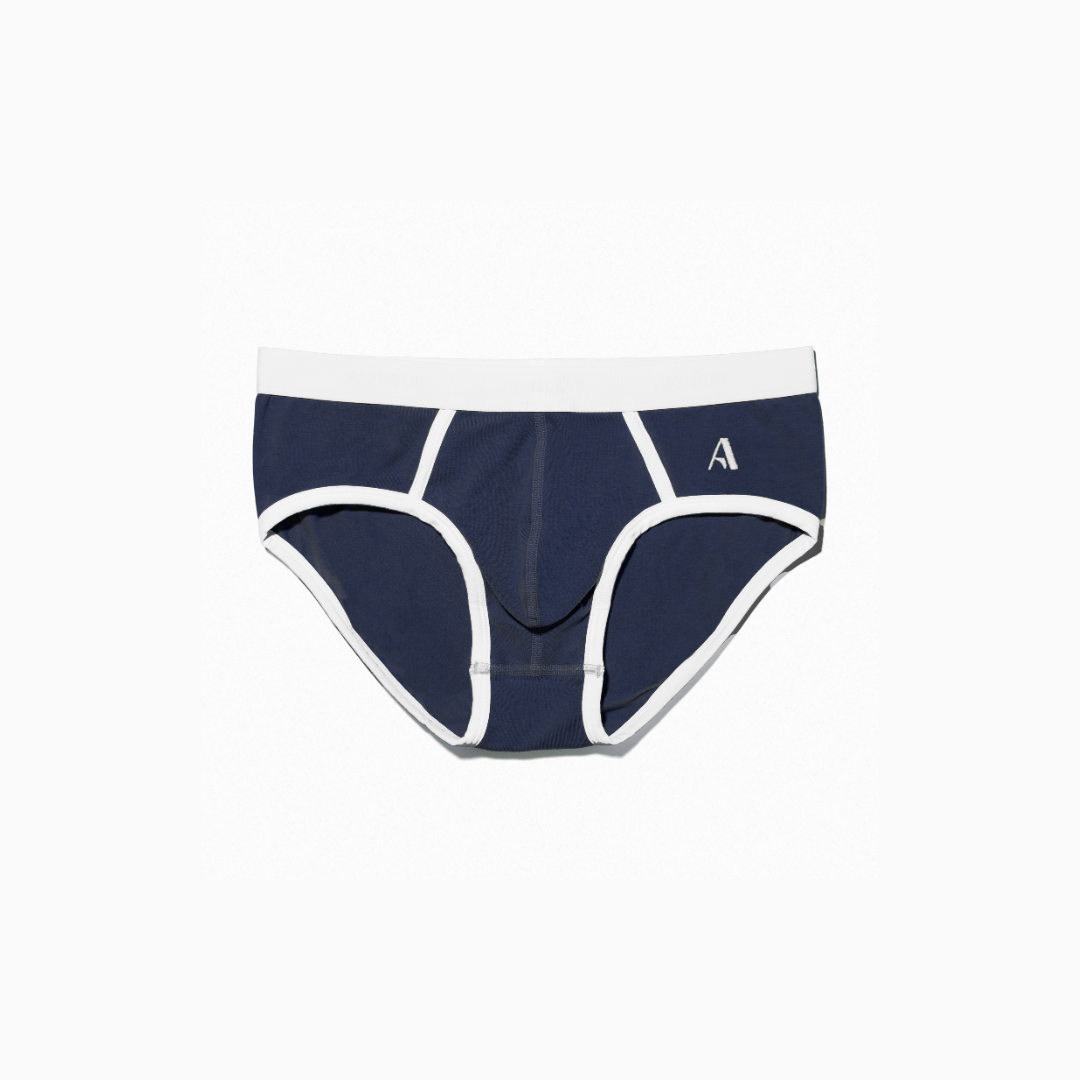
I chose organic cotton for the INITIALE and IDOLE collections because it is the most versatile, durable, and accessible material for building a complete weekly wardrobe. The majority of men who discover Akinom start here — and stay.
I chose Lenzing™ lyocell for the PREMIUM collection because it is the material that solves the thermal problem that cotton, even organic, cannot solve. For customers who already have their organic cotton weekly wardrobe and are looking for even greater comfort, PREMIUM is the logical answer.
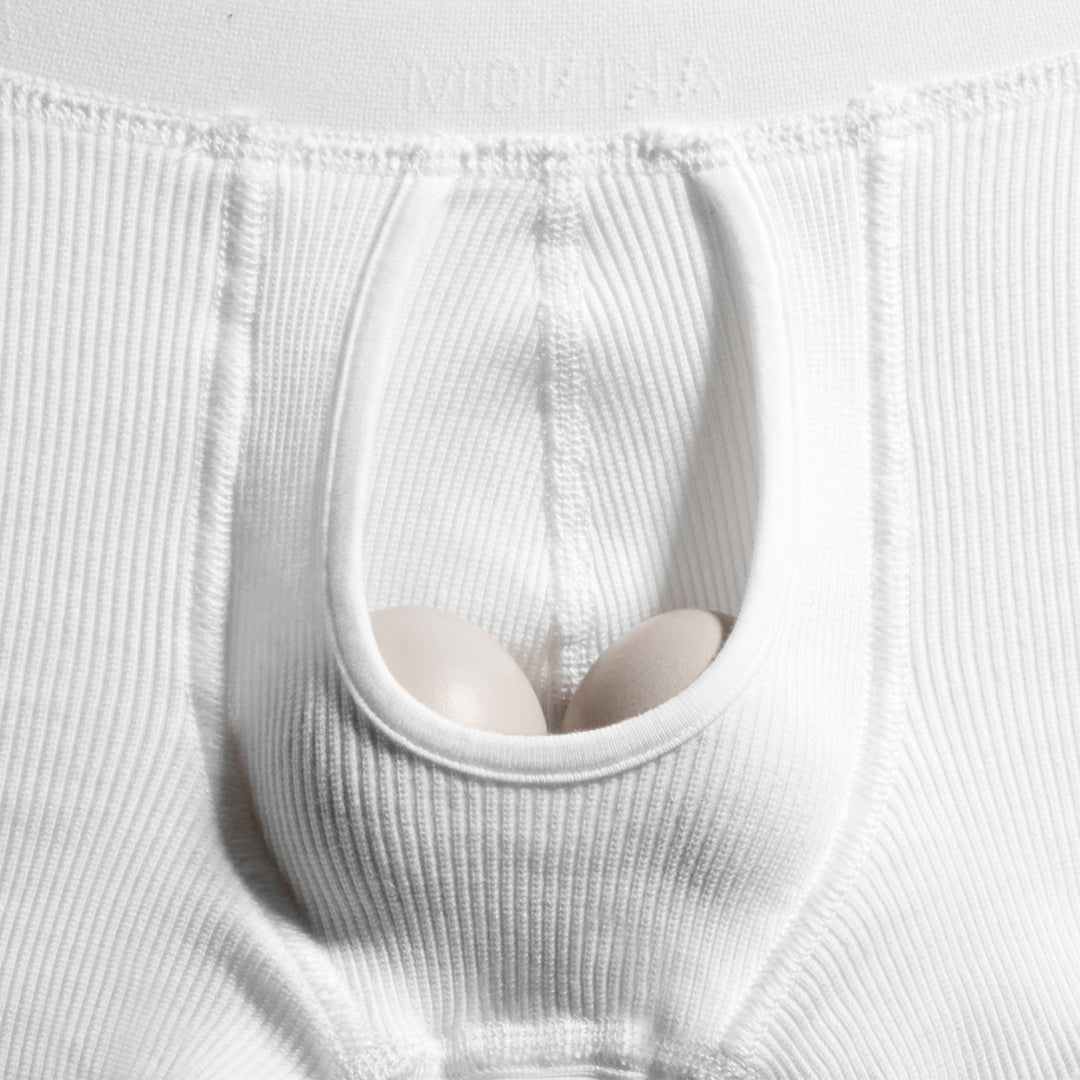
Both collections incorporate the FrontNest® system — because the material improves skin comfort, but it's the construction that solves the anatomical problem. One without the other remains a half-solution.
→ Discover the INITIALE collection — organic cotton
→ Discover the PREMIUM collection — Lenzing™ lyocell
Frequently Asked Questions
Is lyocell more fragile than organic cotton? No — with equivalent care. The difference is in the washing temperature: lyocell requires a maximum of 30°C where organic cotton can withstand 40°C. With this adjustment, the lifespan of lyocell is comparable to that of organic cotton over two to four years of regular wear.
Which material is best suited for sensitive skin? Both are suitable for sensitive skin as long as they are Oeko-Tex Standard 100 certified. If you have skin that is particularly reactive to heat or humidity, lyocell is the better option — its active thermoregulation keeps the skin drier, reducing the risk of irritation from wet friction.
Is organic cotton really different from conventional cotton? Yes, in two ways. First, sensory: fiber grown without pesticides is structurally softer to the touch and better tolerated by sensitive skin. Second, environmental: organic farming preserves soil biodiversity and consumes significantly less water than irrigated conventional farming.
Can organic cotton and lyocell be washed together in the machine? Yes — at 30°C, delicate cycle, in a laundry bag. The 30°C rule applies to both premium materials. If you mix with conventional cotton washed at 40°C or more, wash separately to preserve the premium fibers.

Written by Florian Wernert