Why you readjust yourself every hour — and how to stop
Readjustment is the most common gesture in a man's day — yet no one talks about it. You do it without thinking, standing on the subway, sitting in a meeting, walking down the street. This guide explains why you do it, and why you might not do it at all anymore.
Why do we readjust?
We readjust because our underwear has shifted from its initial position and causes discomfort — compression, friction, or imbalance — which triggers a corrective reflex. It's a normal sensory response to a mechanical problem.
Readjustment is not a behavior. It's a symptom. And like any symptom, it has a specific cause.
What causes repeated readjustment?
There are three distinct causes, which can occur together. Identifying which one — or ones — apply to you is the first step to stopping it.
Cause 1 — Frontal Compression
Most men's underwear is designed with a flat front. Male anatomy is not. The result: the fabric presses the intimate parts against the body, creating increasing pressure when sitting, and the body instinctively tries to free itself from this constraint. This is the most frequent readjustment — and the least often identified as a design problem.
Cause 2 — Lack of Lateral Support
When the cut of underwear does not keep the anatomy in a central position, any movement — walking, climbing stairs, changing sitting position — can cause a lateral shift. The fabric slides, the anatomy follows, and readjustment puts things back in place — temporarily.
Cause 3 — Riding-up Fabric
This is the most visible cause. The leg of a boxer brief or trunk rides up the thigh, the elastic rolls, or the waistband flips over. This happens when the material is too stiff, when the cut is not adapted to the body shape, or when the elastic has lost its hold over time.
| Cause | Symptom experienced | Typical moment |
|---|---|---|
| Frontal compression | Pressure, discomfort when sitting | Sitting at a desk, in a car |
| Lack of lateral support | Shifting, imbalance | While walking, climbing stairs |
| Fabric riding up | Leg rolling up, elastic waistband flipping | After a few hours of wear |
How often do men readjust?
The honest answer: much more often than they think. This gesture is so automatic that it is largely underestimated.
In Akinom customer feedback, before their first purchase, the majority of men describe readjusting every one to two hours during an active day. Some report doing it every thirty minutes during prolonged sitting.
This is not an exaggeration. It's simply what happens when underwear ignores the anatomy it's supposed to dress.
Do certain body types readjust more than others?
Yes — but not for the reasons we think. It's not the body shape that's the problem, it's the mismatch between the body shape and the underwear's construction.
A man with an athletic build — developed thighs, larger frontal volume — will readjust more with standard underwear because the standard construction does not account for these proportions. A slimmer man can have the same problem if the elastic is poorly sized or if the cut is too loose.
In all cases, the determining variable is the design of the underwear, not the body shape of the wearer.
Why hasn't this problem been solved sooner?
This is the question I asked myself in June 2019, after a long day in Paris where I watched the men around me readjust, systematically, without interruption. Everyone. All the time.
The answer is simple and a bit absurd: because men's underwear has historically been designed as protective clothing rather than anatomical support clothing. Brands have worked on materials, colors, logos — but not on the construction of the interior space.
Shoes, however, solved this problem long ago. A shoe is designed in volume, taking into account the rolling of the foot, the morphology of the arch. No one would sell a flat shoe for a three-dimensional foot.
This exact reasoning is the origin of FrontNest®.
How does FrontNest® solve the readjustment problem?
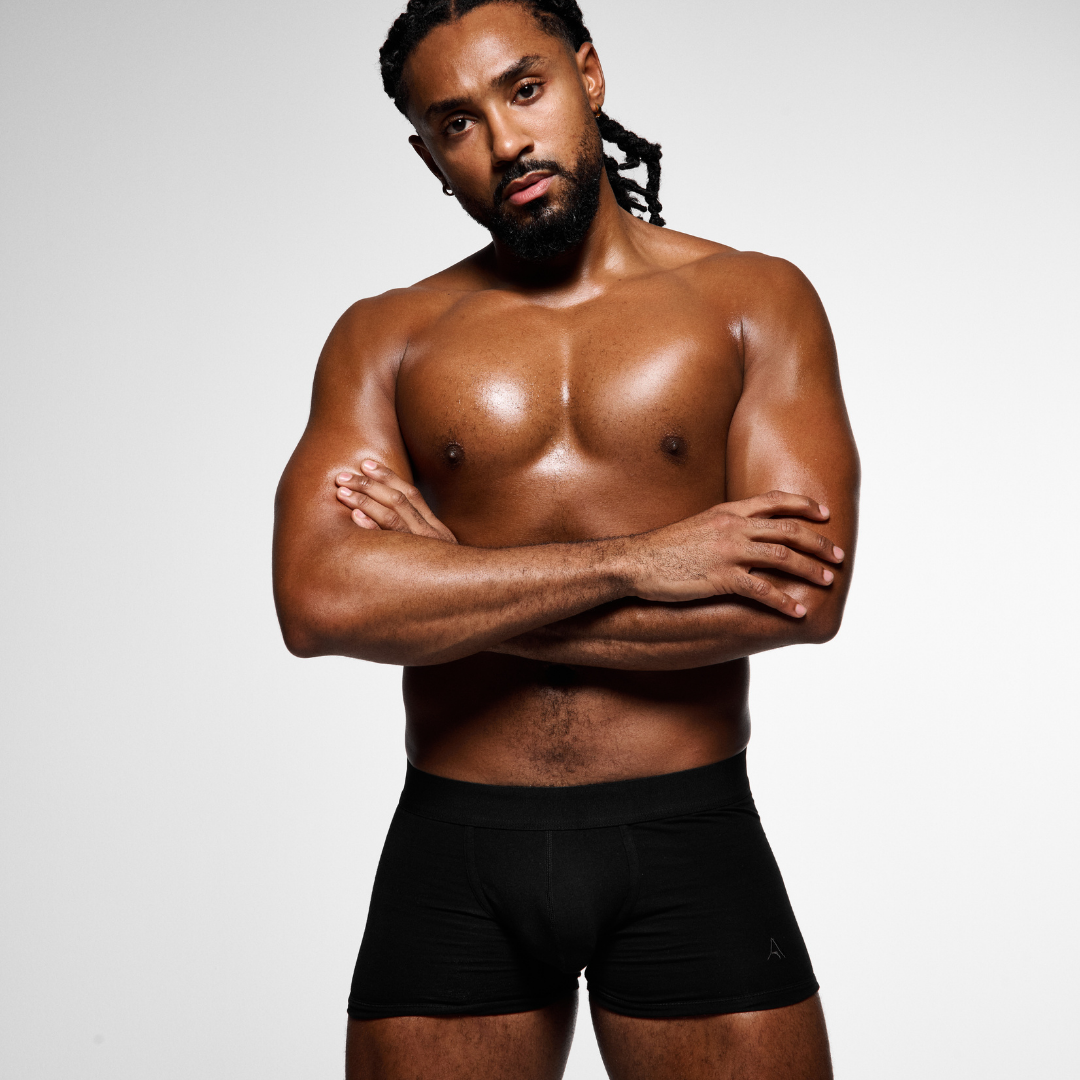
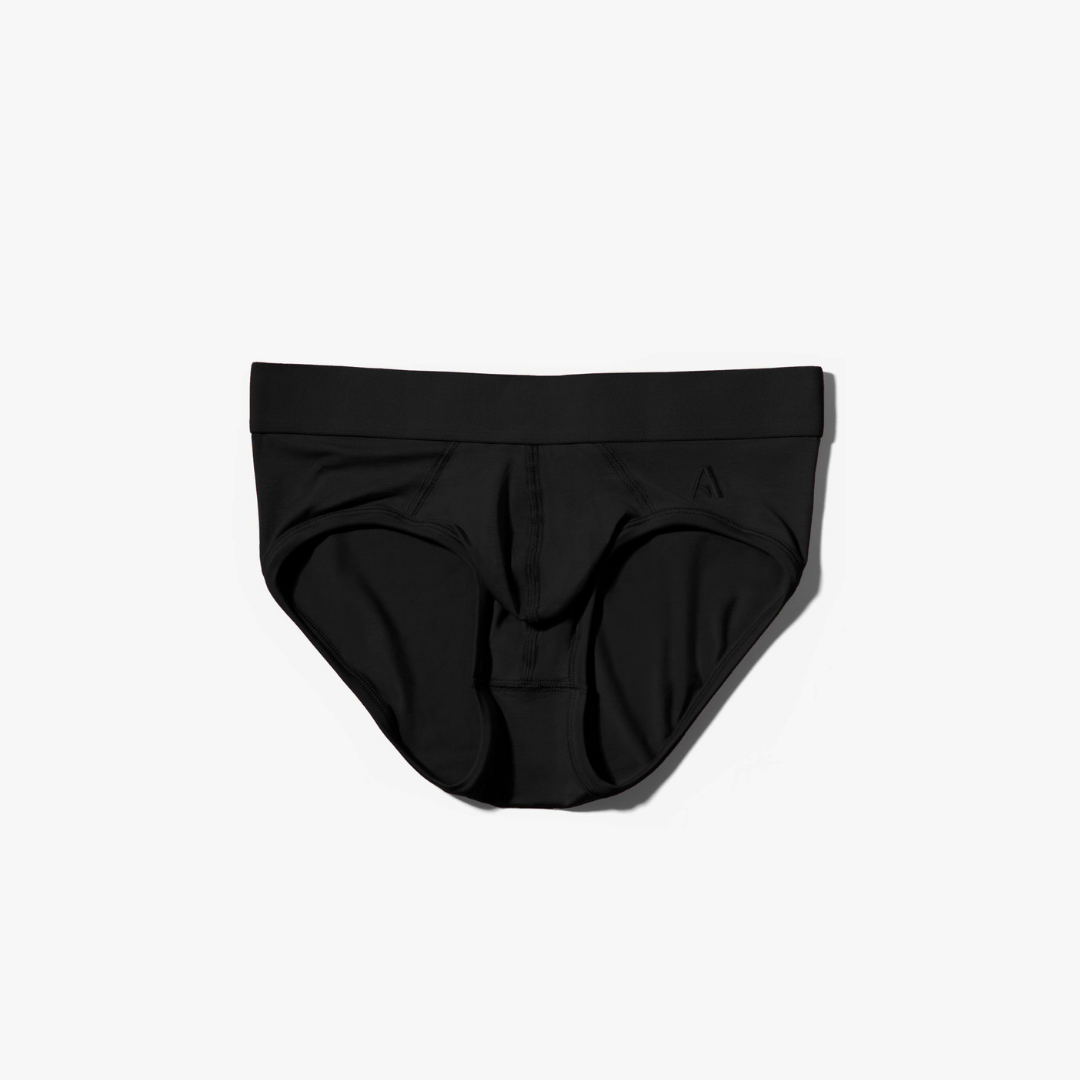
FrontNest® is an anatomical support system integrated into every Akinom garment. It works on two simultaneous mechanisms.
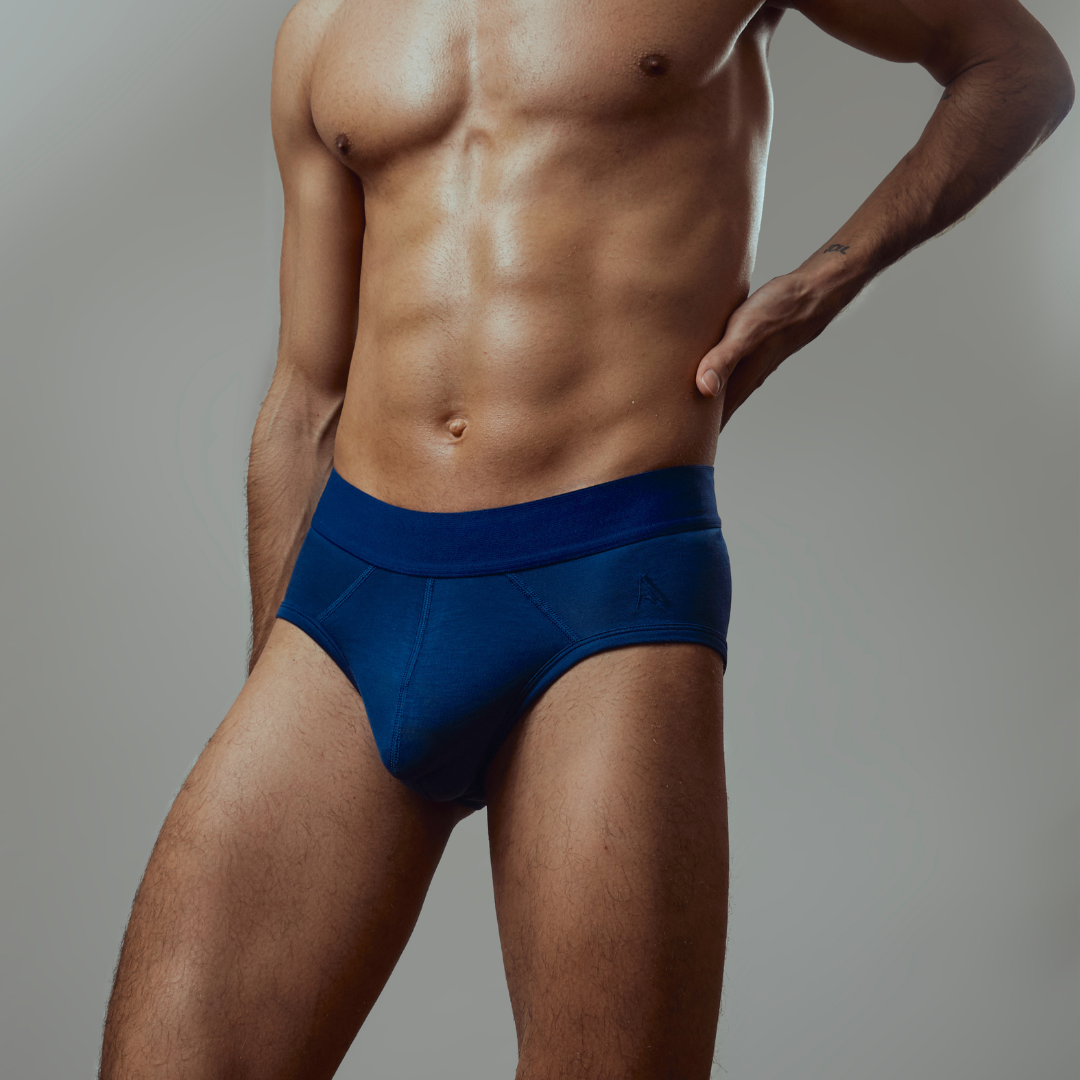
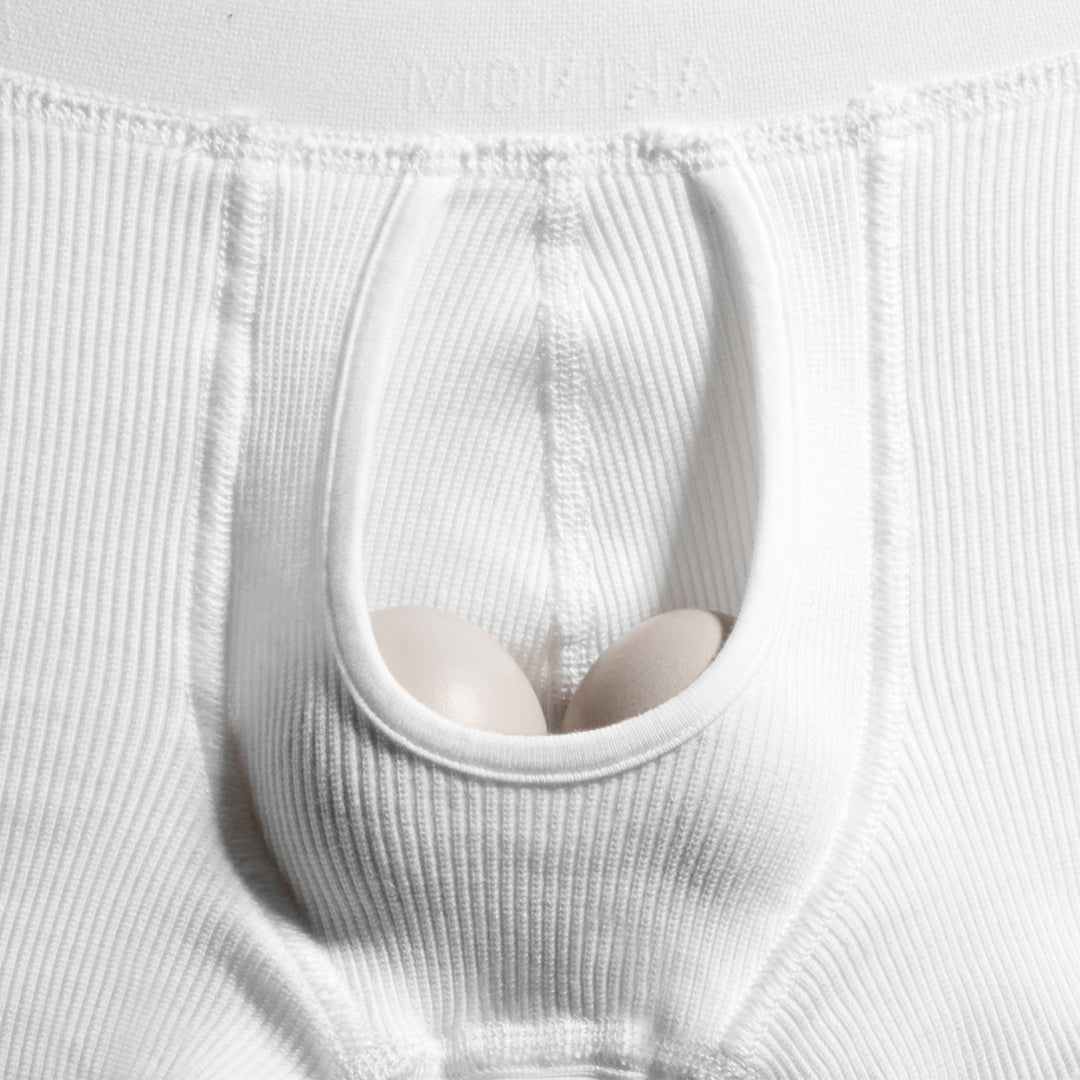
The preformed 3D front pouch creates a dedicated space that accommodates the natural anatomical volume without compressing it. The anatomy is no longer pressed against the body — it is held in a natural, stable position, regardless of body position.
The internal separation isolates skin-on-skin contact areas that generate heat and friction. It is these frictions that, when combined, eventually trigger readjustment to relieve discomfort.
The result: sitting, standing, moving — the anatomy stays in place. The act of readjusting disappears because its trigger has disappeared.
This is not a marketing argument. This is what Akinom customers consistently describe from the very first wear.
"The support is really good and the comfort total — I forget I'm wearing underwear." "I love your brand and the FrontNest® system has changed my daily comfort for the better."
→ Understand the FrontNest® system in detail
Can you stop readjusting without changing your underwear?
No — not permanently. Readjustment is a mechanical symptom. As long as the mechanical cause exists, the symptom returns.
You can adapt your behavior: choose a different sitting position, adjust your way of walking, wear looser pants. But these adaptations compensate for a problem without solving it. And they come at a cost in comfort and attention that most men don't measure because they have normalized the discomfort for years.
The only solution that eliminates the problem at its source is underwear designed for the anatomy it dresses.
Where to start?
If you recognize yourself in what this article describes, the simplest starting point is to try a garment with FrontNest® for a full day — at the office, on the move, during prolonged sitting.
The first wear is usually enough to understand the difference. No need to get used to it. It's immediate or it's not the right solution.
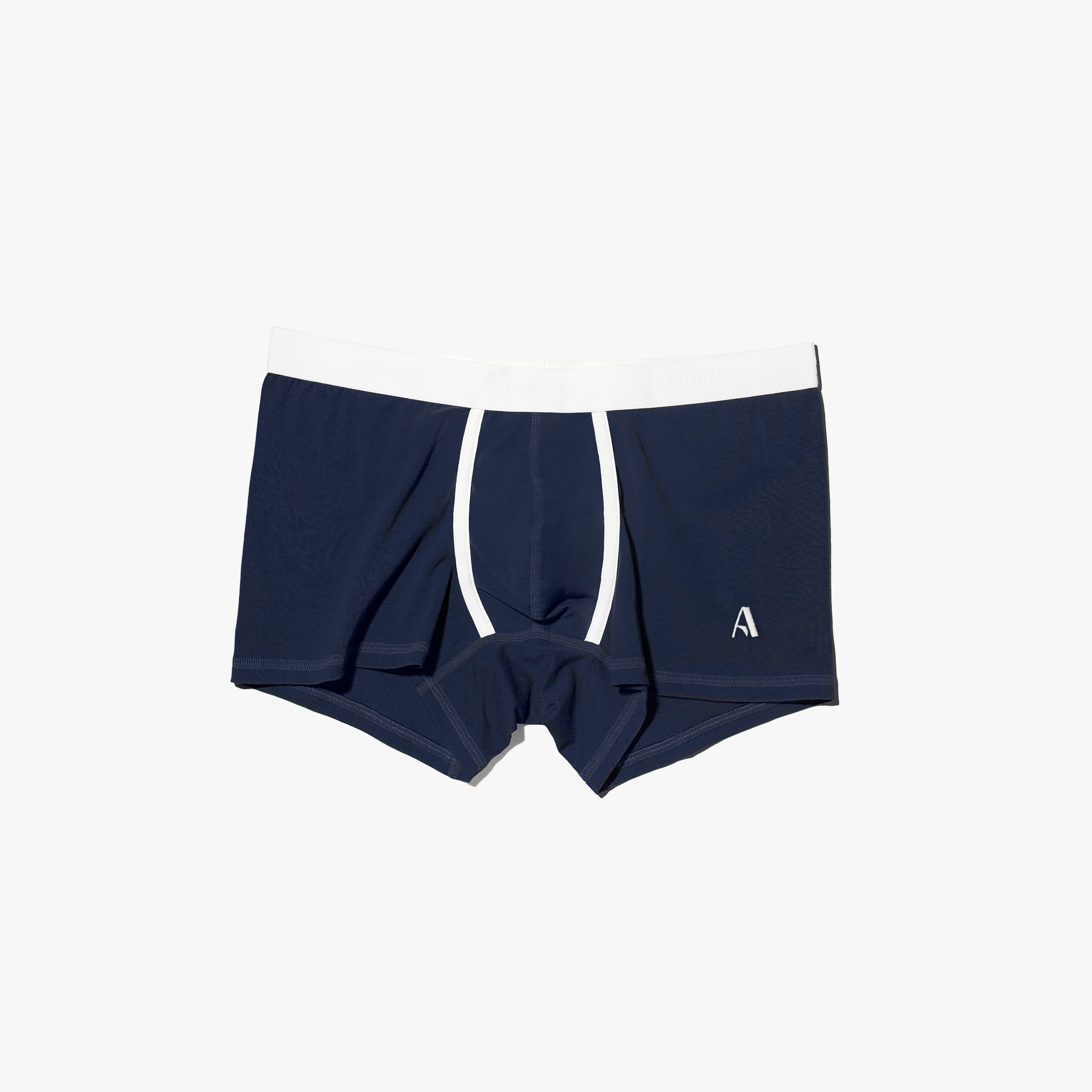
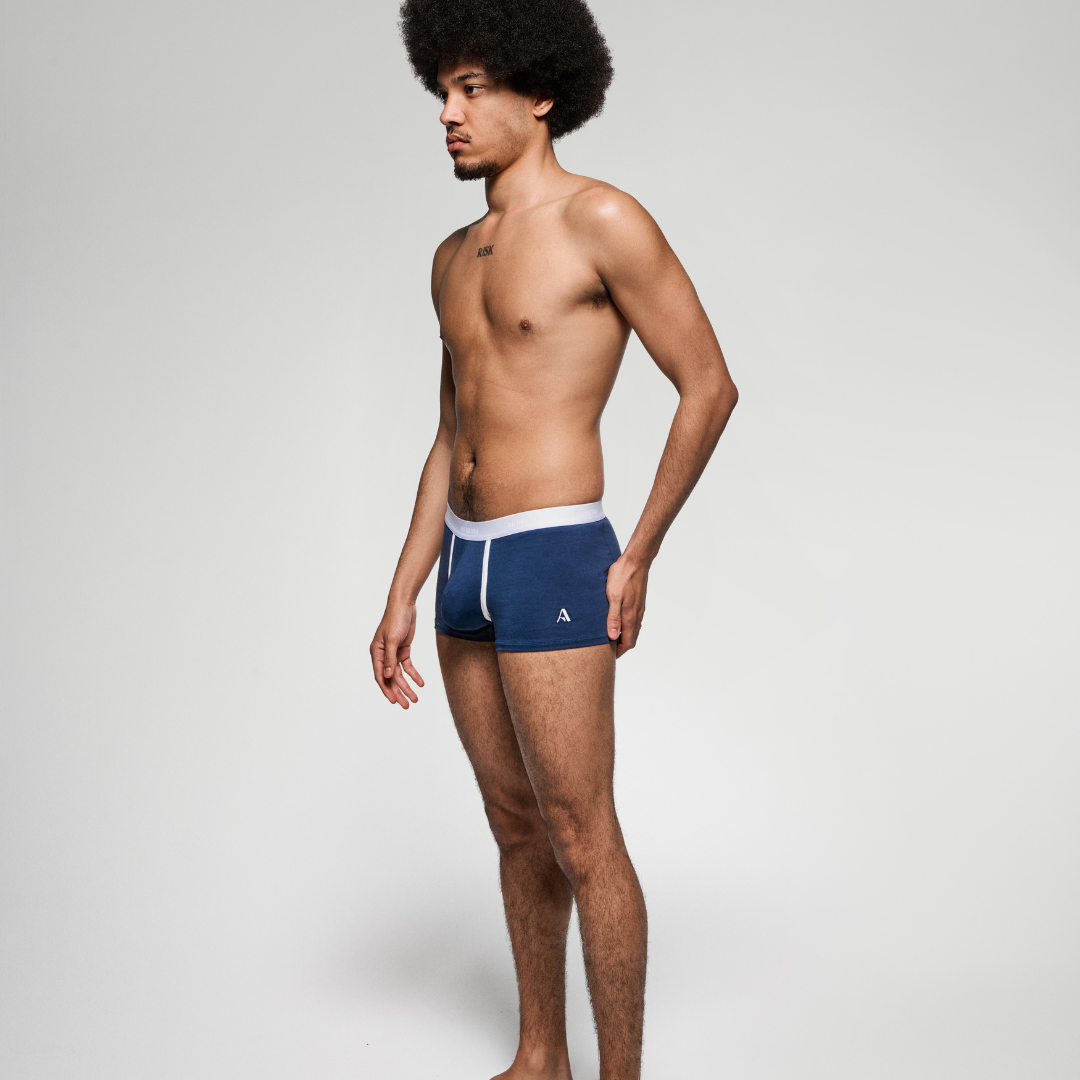
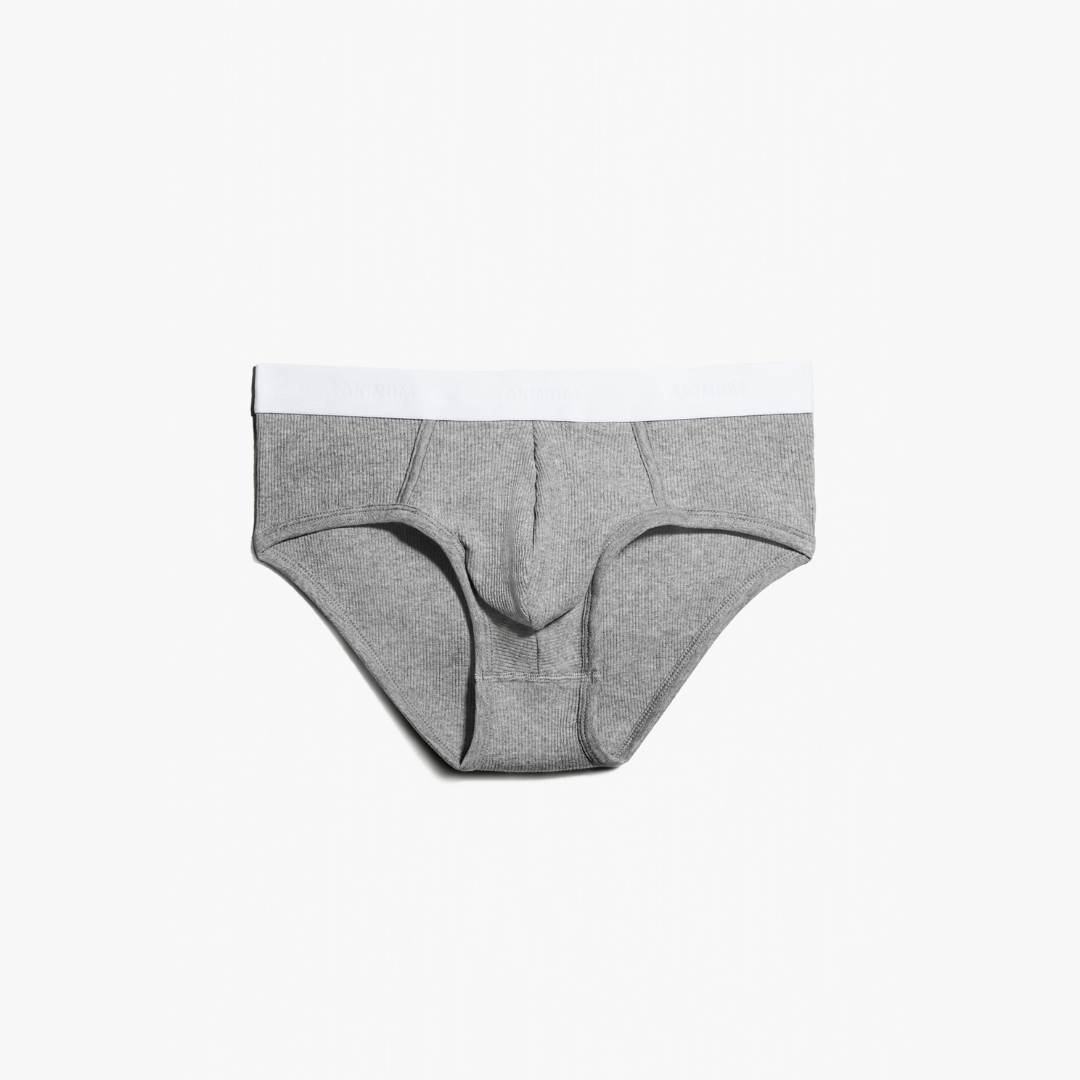
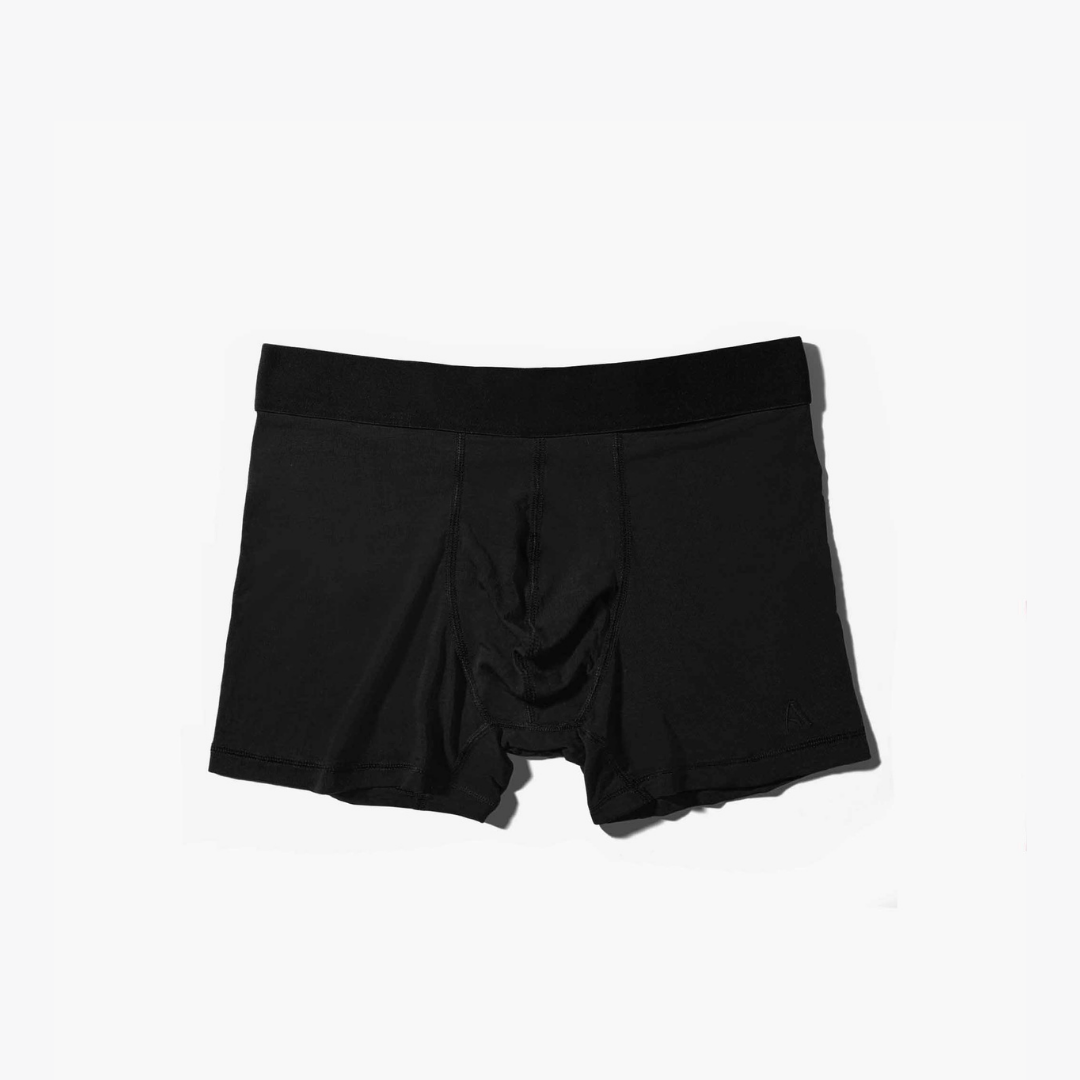
→ See the Akinom men's underwear collection — all cuts with FrontNest®
Frequently Asked Questions
Is readjustment really caused by underwear and not by anatomy? In the vast majority of cases, yes. Male anatomy varies from man to man, but standard underwear is designed on a flat pattern that ignores these variations. Readjustment is the body's response to a mechanical mismatch — not a characteristic of anatomy.
How long does it take to stop the readjustment reflex? The reflex disappears quickly as soon as the physical trigger no longer exists. Most Akinom customers describe an almost immediate disappearance of the need to readjust from the first wear, as the body understands that the discomfort is no longer there.
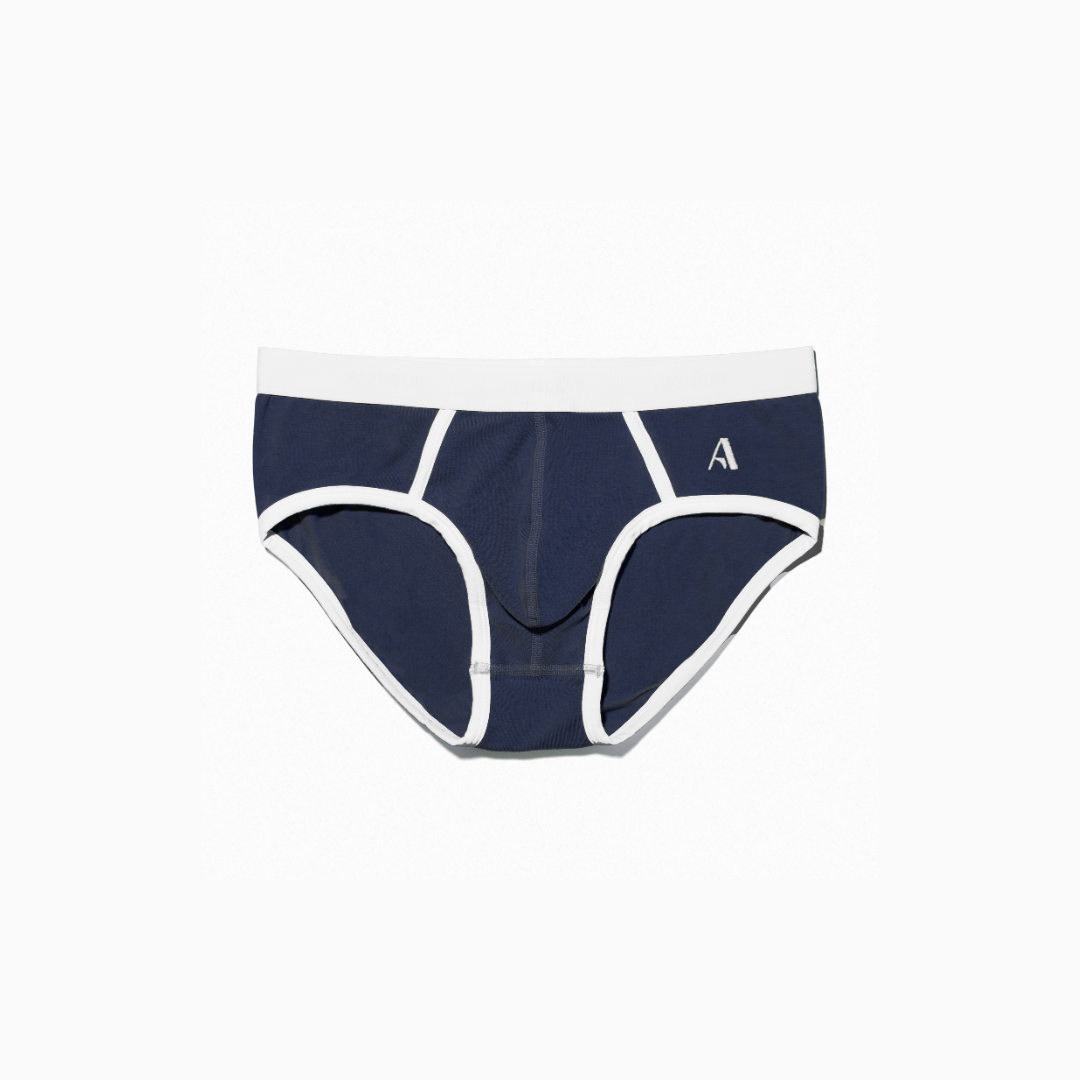
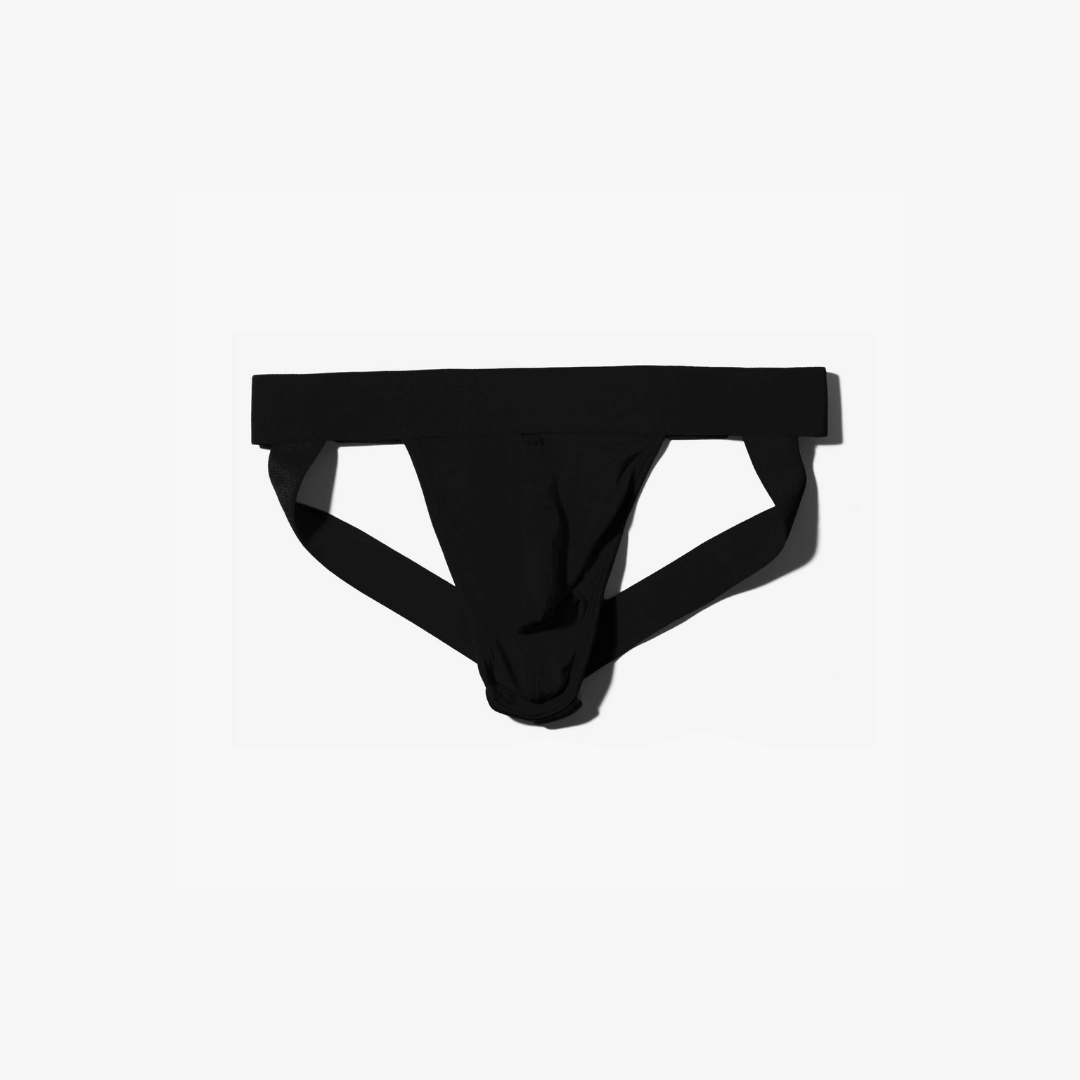
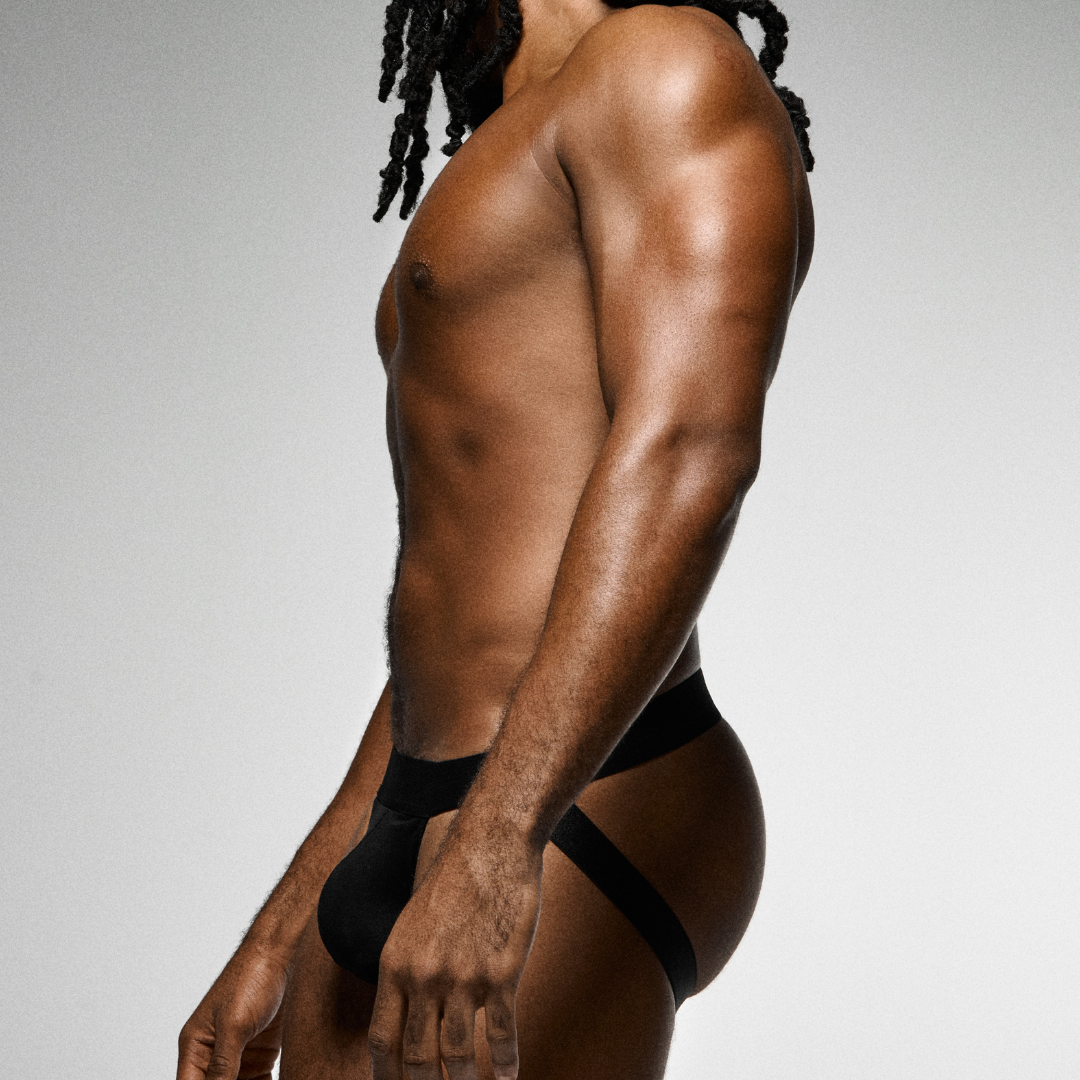
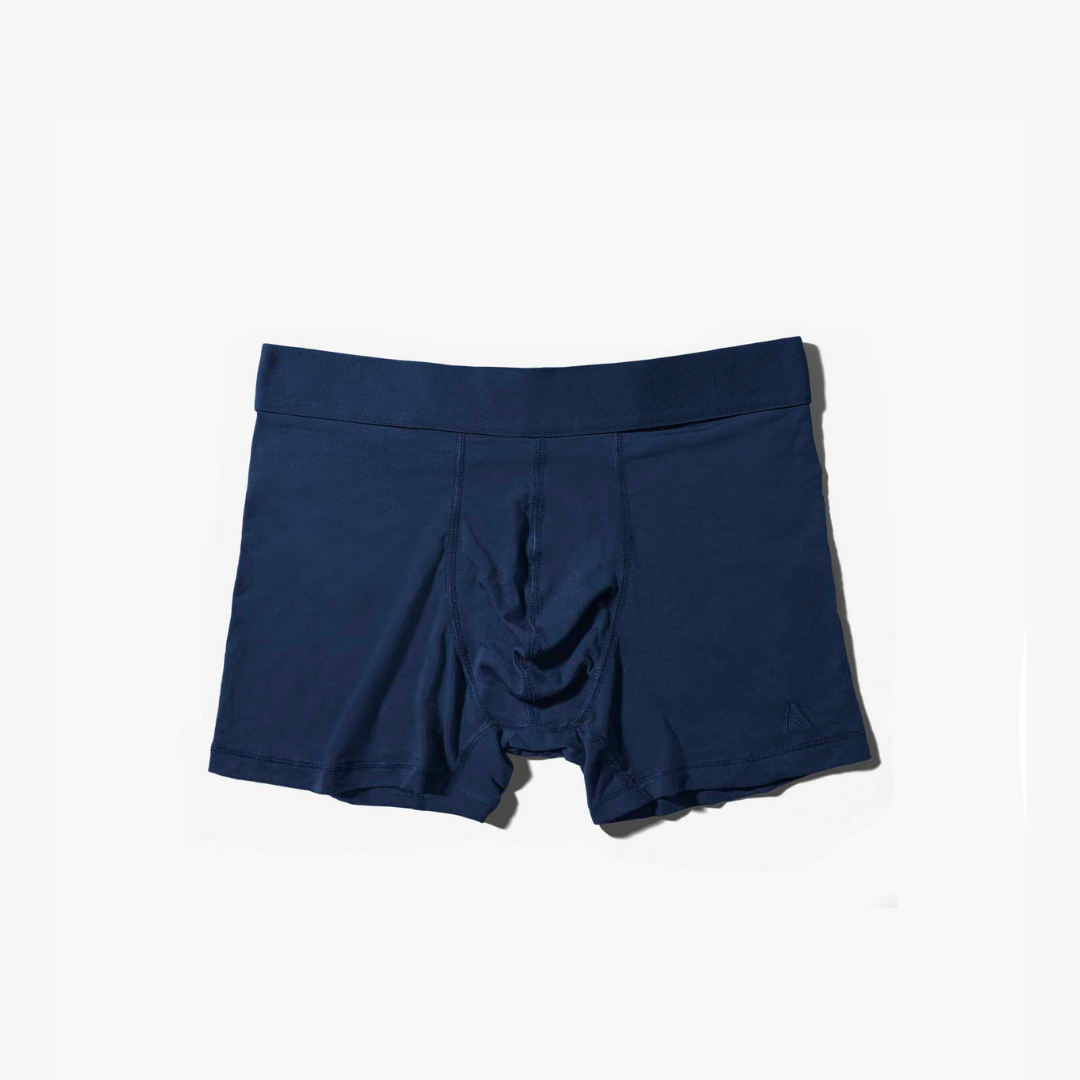
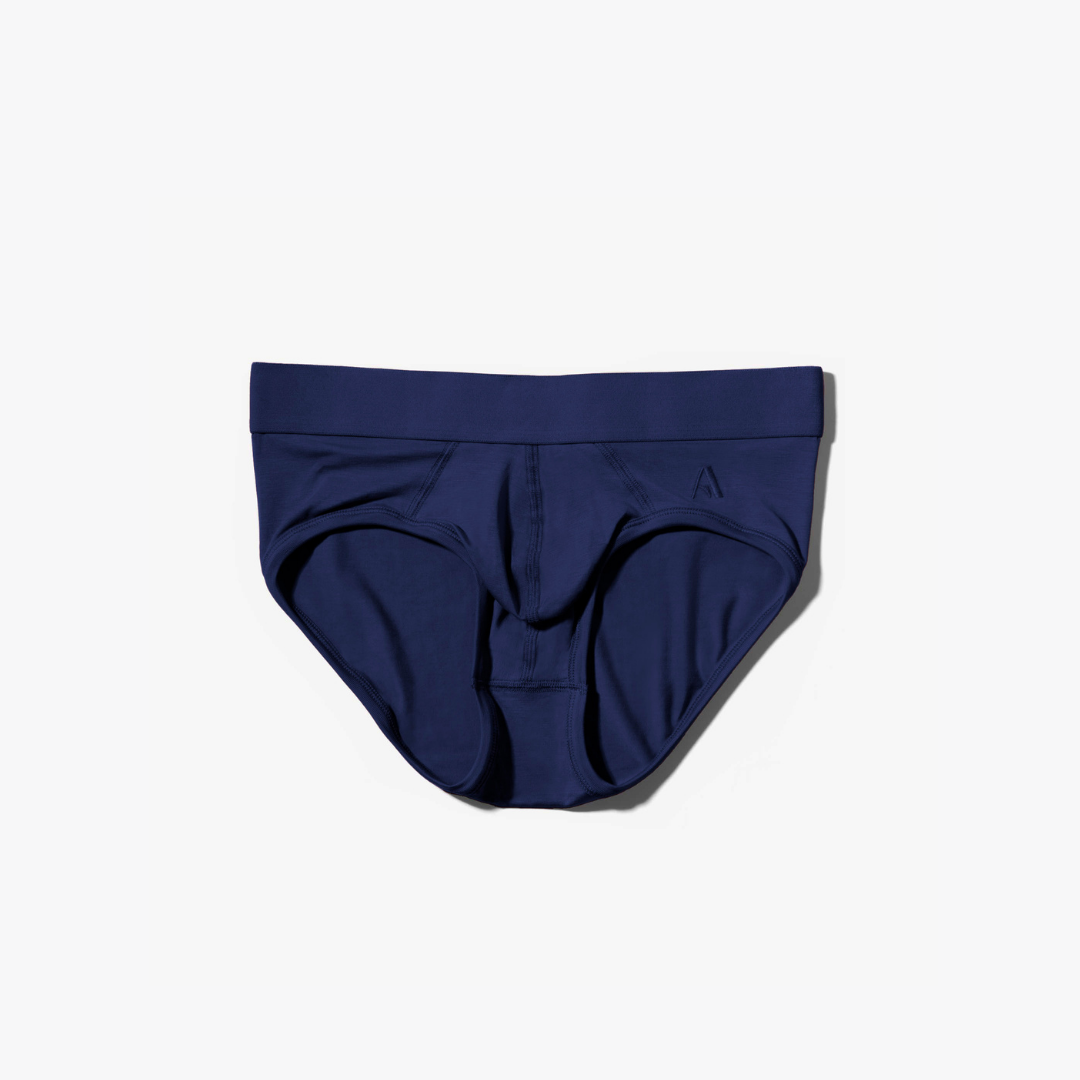
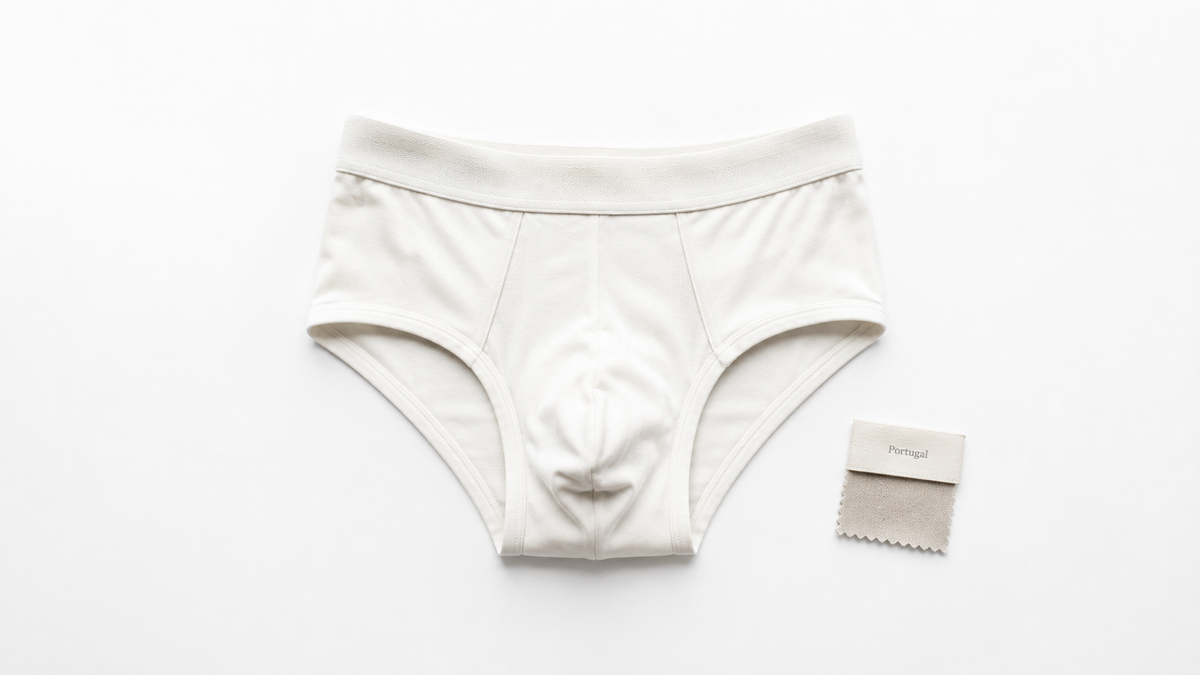
Does the readjustment problem concern all cuts? Yes — briefs, trunks, boxer briefs, jockstraps. The cut influences the nature of the discomfort but not its existence. A standard brief compresses differently from a standard boxer brief, but both generate readjustments for the same structural reasons.
Is FrontNest® available on all Akinom garments? Yes. The FrontNest® system is integrated into all Akinom cuts and collections — INITIALE (organic cotton), IDOLE (organic cotton jersey), and PREMIUM (lyocell) — in all sizes from XS to 5XL.
Can tighter underwear reduce readjustment? No — that's a counterproductive reflex. Underwear that is too tight aggravates frontal compression, which is one of the main causes of readjustment. Correct anatomical support comes not from fabric tension but from the construction's shape.

Written by Florian Wernert