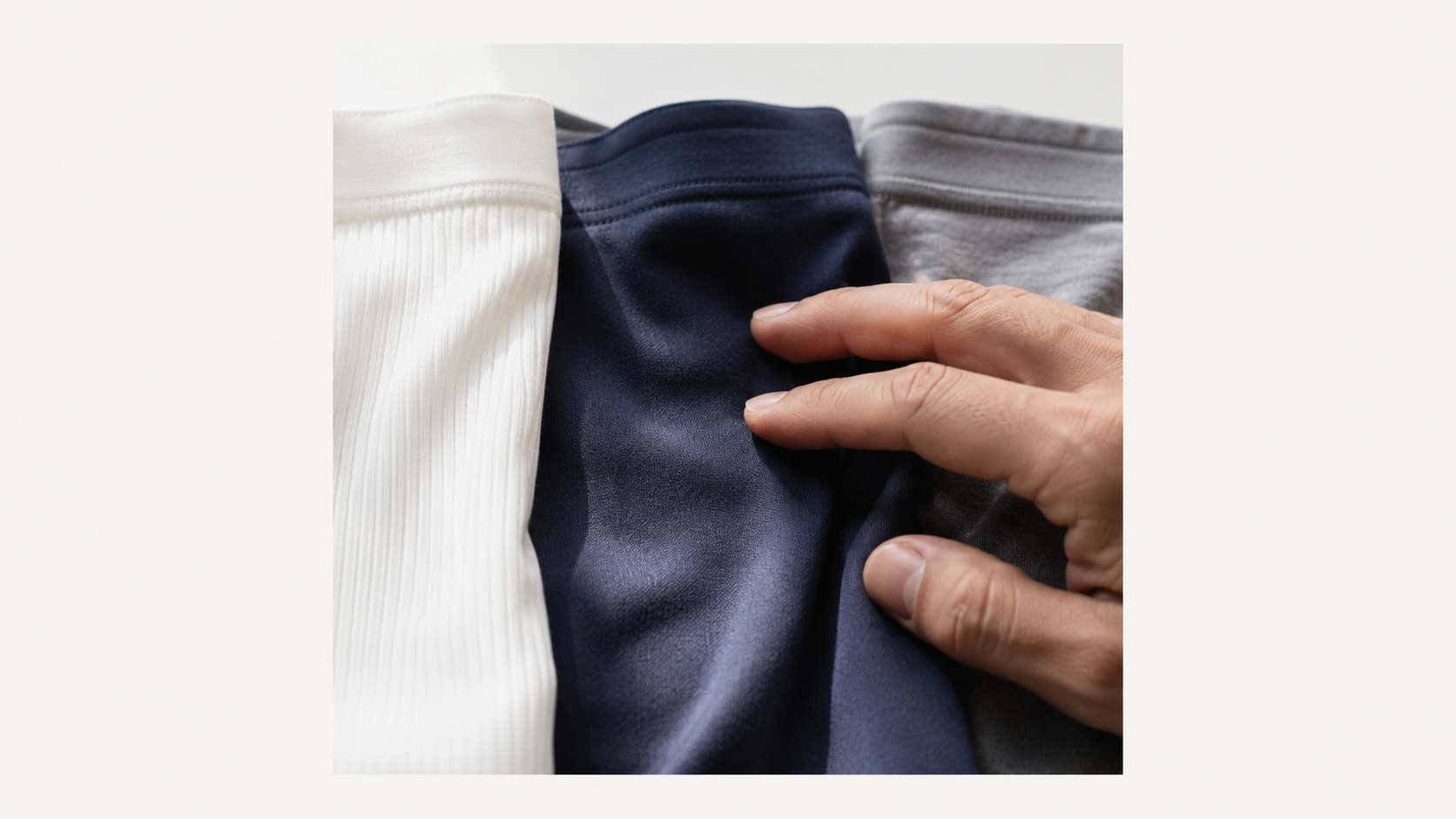
Organic cotton, lyocell, modal: which material to choose?
Textile fiber has become a central argument. What was once relegated to the label sewn at the back of the collar is now read, compared, decided. Kantar studies confirm it: understanding the benefits of a material directly reinforces the perceived value of the product — and trust in the brand that offers it.
This comparison presents the three materials used in premium men's underwear, along with their real-world performance in daily use.
Organic cotton: the established benchmark
Natural cotton still constitutes the bulk of the market. Its organic version — grown without synthetic pesticides or GMOs — adds a significant level of guarantee for a garment worn in prolonged contact with sensitive areas.
What Oeko-Tex Standard 100 certification guarantees: the absence of harmful substances in the finished product, including textile treatment residues. For underwear worn 16 hours a day, this is a significant criterion.
Performance in use:
- Natural breathability, comfort in all seasons
- Softness for sensitive skin
- Easy care (washing at 30–40°C)
- Solid lifespan with appropriate care
Limitation: cotton absorbs moisture but retains it. In hot weather or during moderate physical activity, it can become heavy. This is where lyocell gains an advantage.
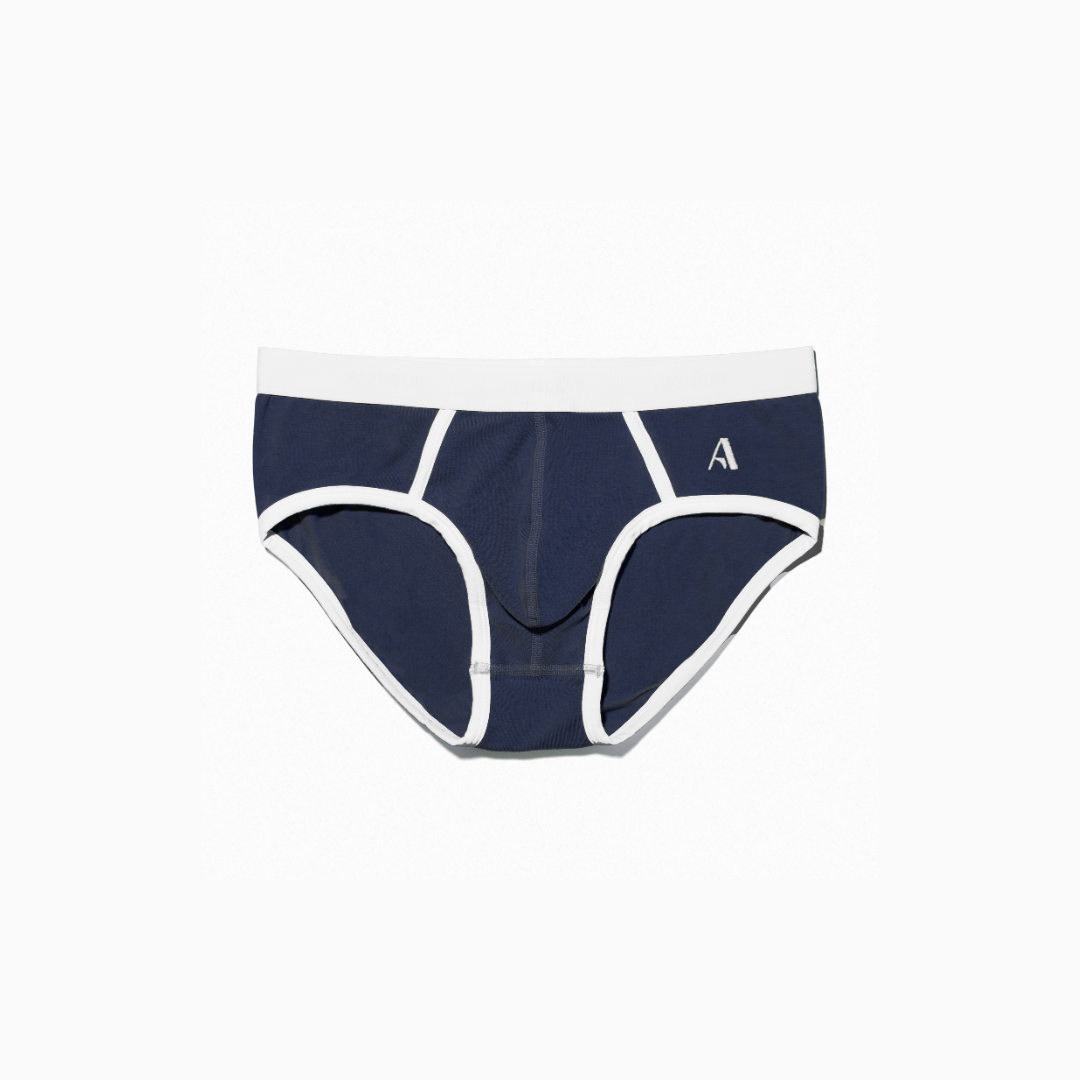
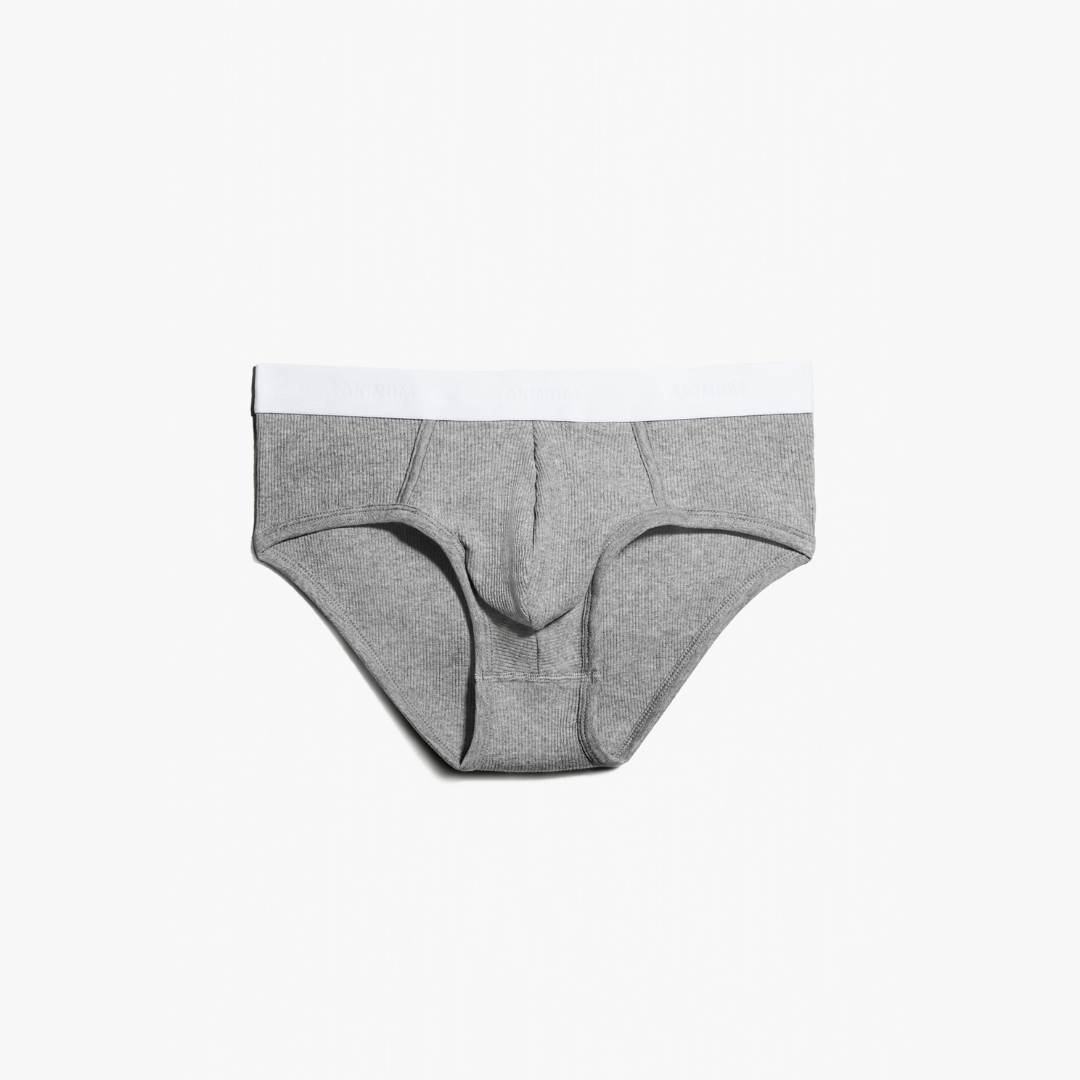
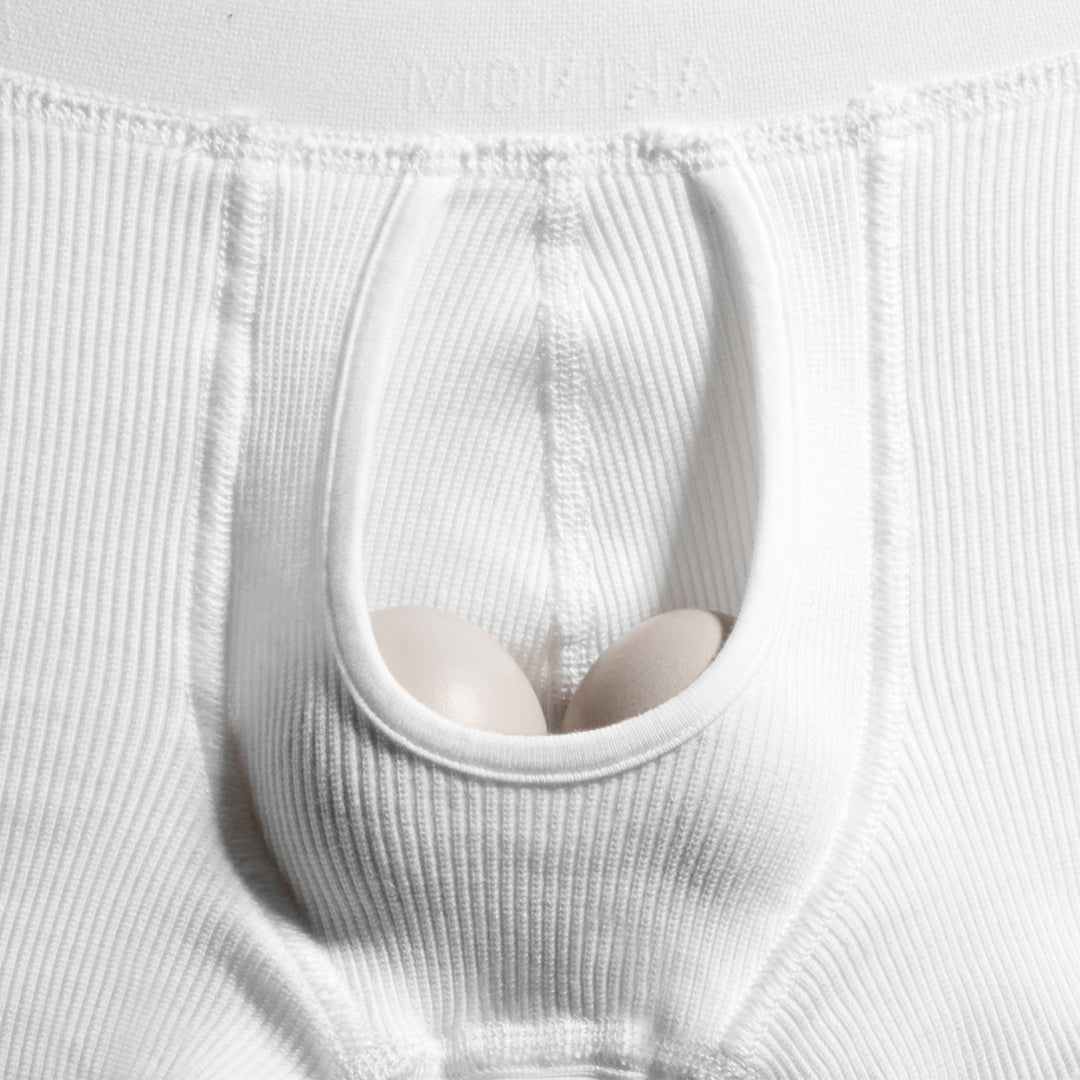
At AKINOM, the INITIALE range (ribbed organic cotton) and the IDOLE range (jersey organic cotton) exclusively use Oeko-Tex Standard 100 certified cotton.
Lenzing™ Lyocell: the rise of technical comfort
Lyocell is made from wood pulp (mainly eucalyptus) processed by a closed-loop system that recovers and reuses solvents at over 99%. It is the premium material par excellence for today's men's underwear.
What Lenzing™ brings beyond generic lyocell: The Lenzing Group (Austria) is the world's leading producer of cellulosic fibers. Their ECOVERO™ lyocell or Tencel™ are produced according to documented and auditable environmental standards — not just a marketing promise.
Performance in use:
- Superior thermal regulation to cotton: the fiber absorbs and releases moisture without retaining heat
- Exceptionally soft touch, described as "second skin" by many wearers
- Color retention over time
- Less wrinkling in use
Care: wash at a maximum of 30°C, without spinning. The fiber is strong but sensitive to aggressive treatments.
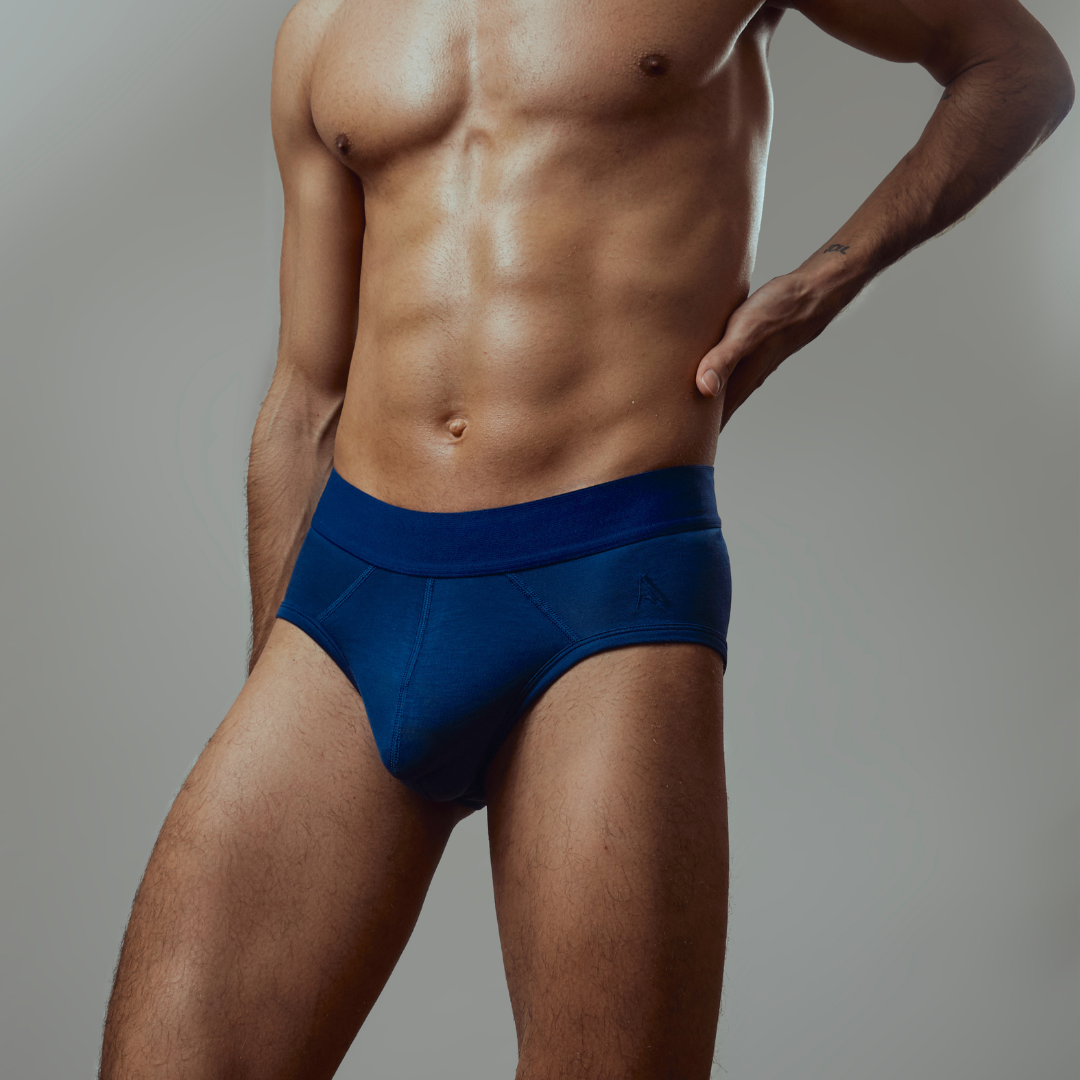
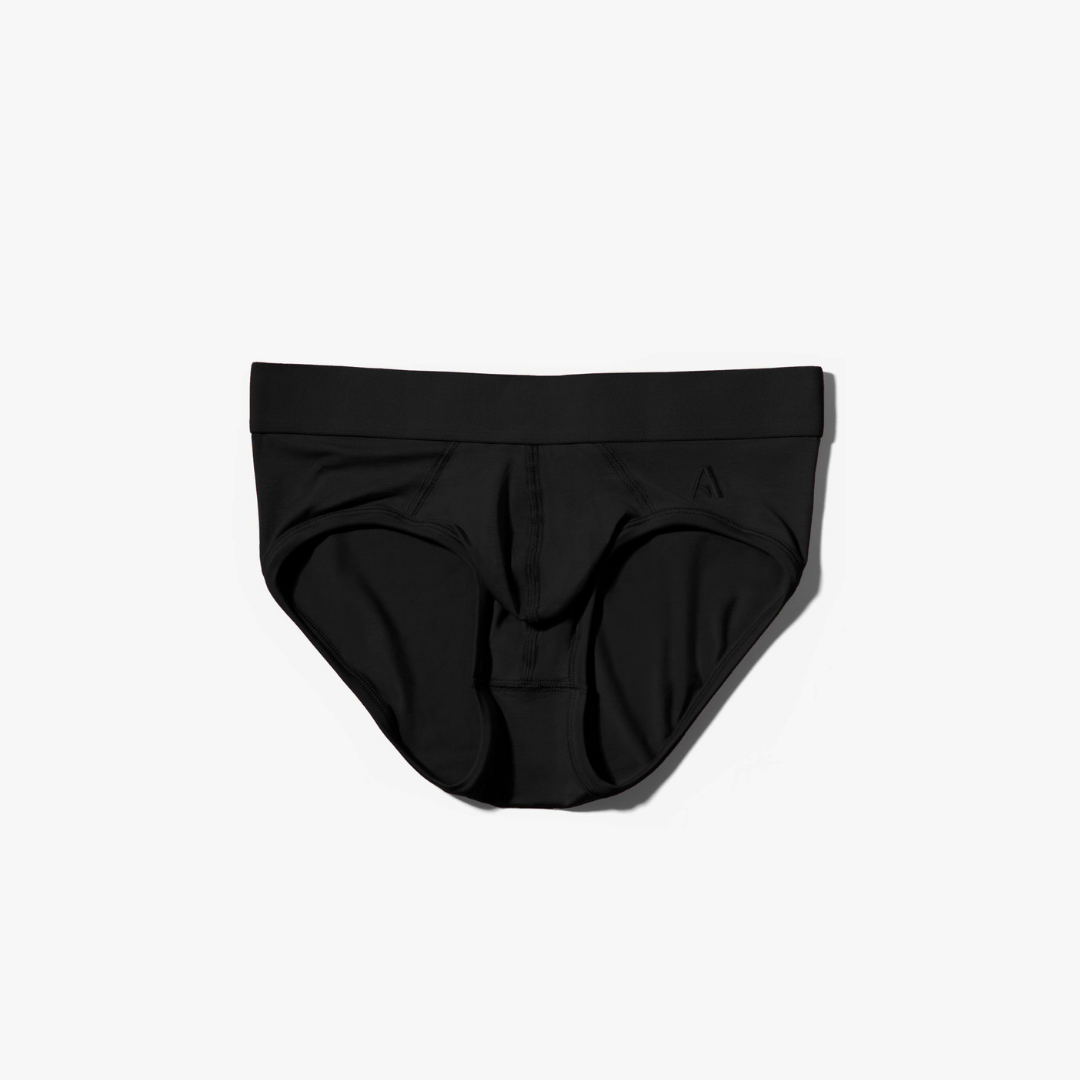
AKINOM's PREMIUM range uses Lenzing™ lyocell. This is the brand's high-end range — and it's the material that consistently generates the most enthusiastic customer feedback.
Modal: the transition between the two
Modal is also a cellulosic fiber (made from beech wood), but produced using a less solvent-efficient process than lyocell. It offers a very pleasant softness and excellent natural elasticity.
It is often found in blends — modal + cotton, or modal + elastane — to combine softness and shape retention.
Performance in use:
- Softness comparable to lyocell, slightly less
- Good breathability
- Excellent shrinkage resistance
- More delicate feel on the skin than standard cotton
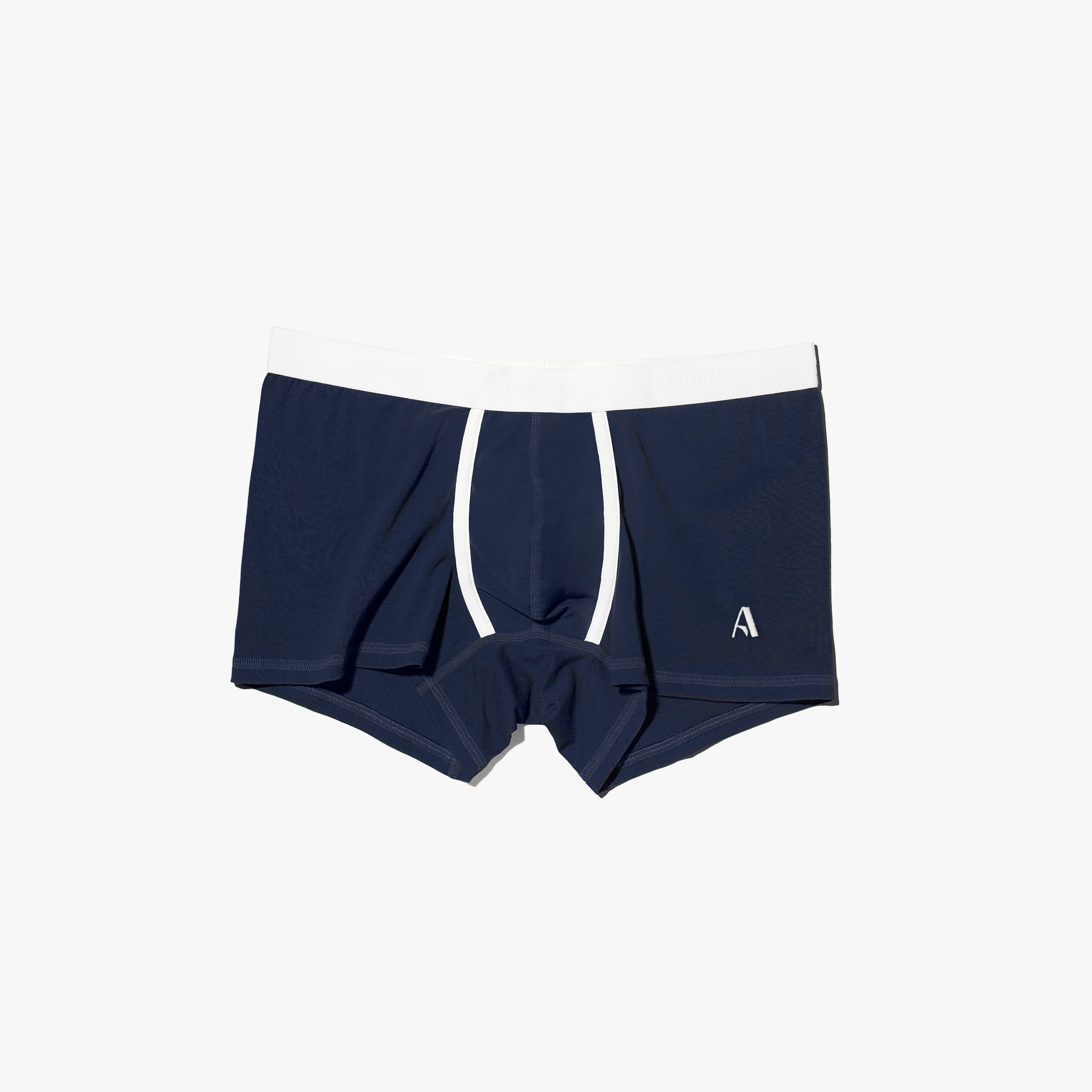
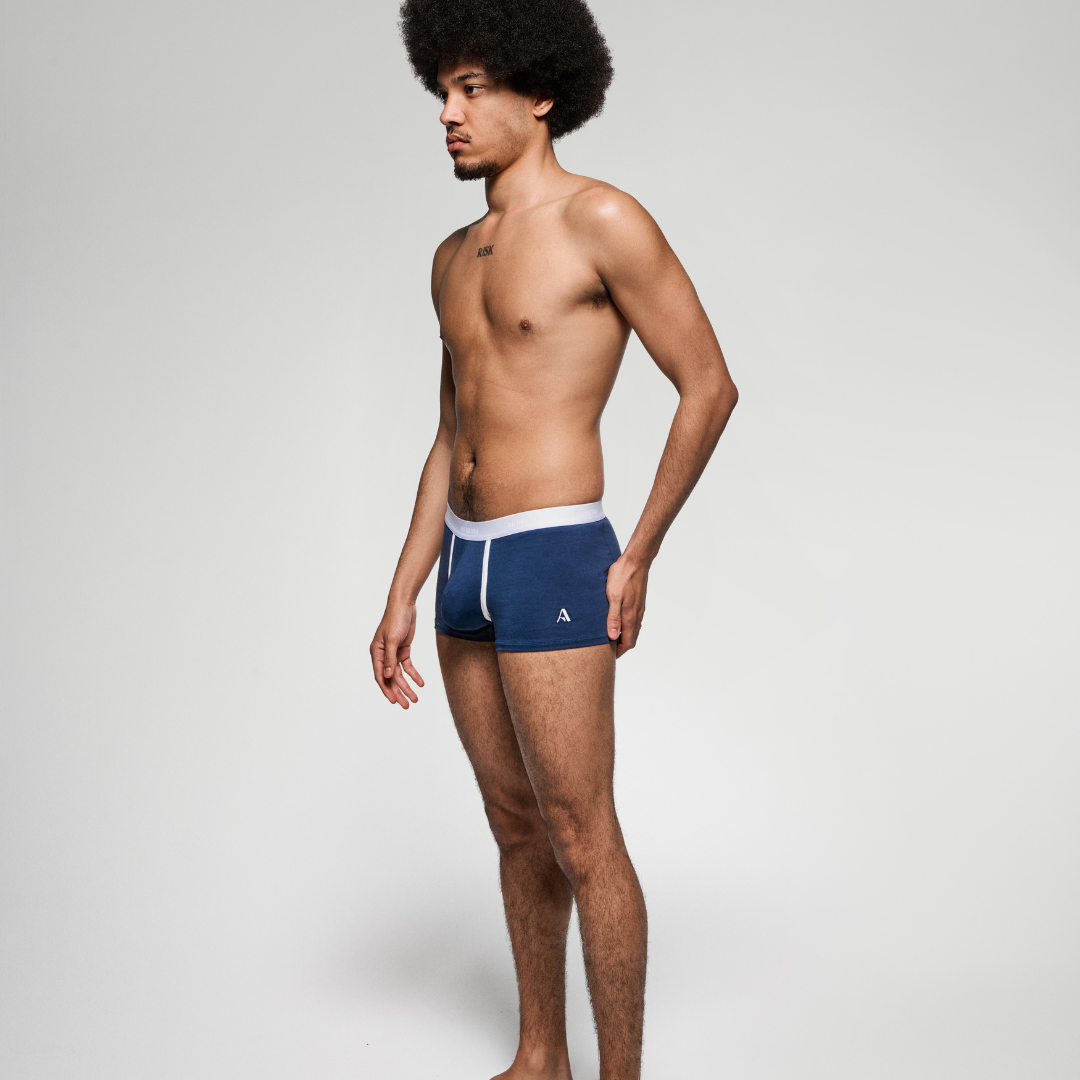
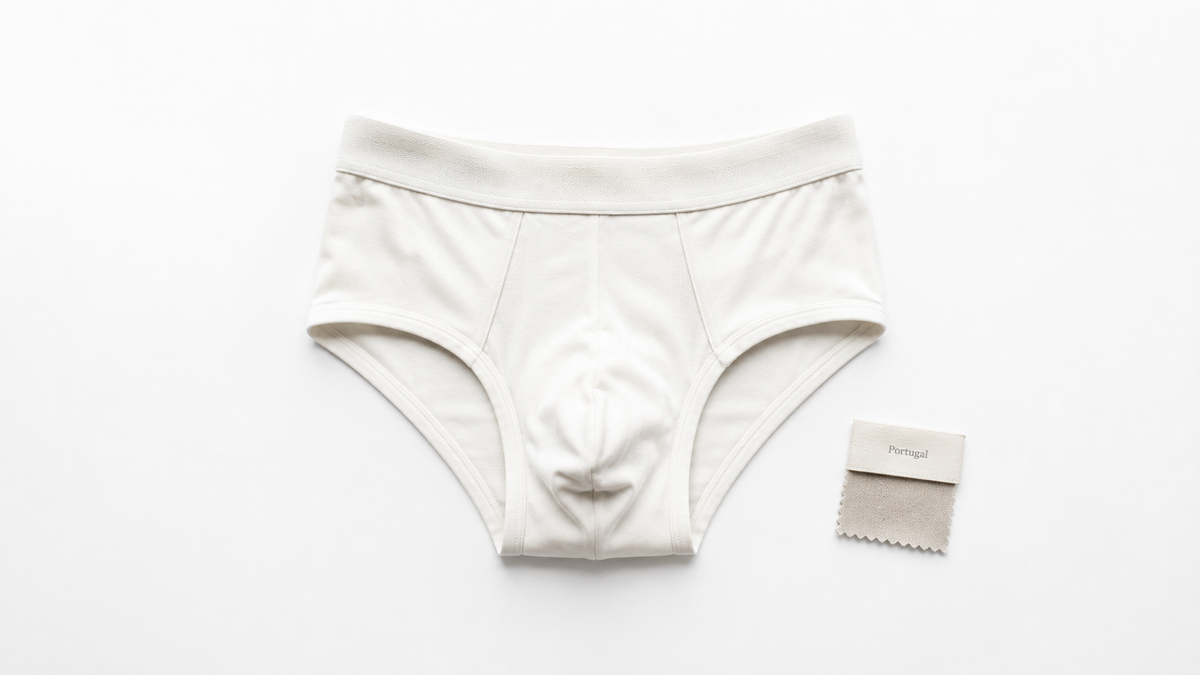
AKINOM's SKINTONE range uses modal for a particularly sought-after second-skin effect.
Polyester, microfiber, and elastane: their rightful place
These synthetic materials don't disappear — they have their areas of relevance.
Elastane (5 to 8% maximum) is essential in all underwear to ensure the elasticity of the waistband and the retention of the cut over time. Below 5%, the fabric loses its shape memory.
Polyester and microfiber perform well during intense physical exertion (rapid sweat wicking). For sedentary use, their insufficient breathability makes them uncomfortable over time.
Summary: which criterion for which use?
| Material | Daily comfort | Physical activity | Sensitive skin | Environmental impact |
|---|---|---|---|---|
| Organic cotton | ★★★★☆ | ★★★☆☆ | ★★★★★ | ★★★★☆ |
| Lenzing™ Lyocell | ★★★★★ | ★★★★☆ | ★★★★★ | ★★★★★ |
| Modal | ★★★★☆ | ★★★☆☆ | ★★★★☆ | ★★★☆☆ |
| Polyester/microfiber | ★★☆☆☆ | ★★★★★ | ★★☆☆☆ | ★★☆☆☆ |
→ Discover the PREMIUM Lenzing™ lyocell range
→ Read the complete guide to choosing men's underwear
Material has become a brand argument — and it's documented.
I have written a complete analysis on how rising material requirements are transforming the men's underwear market. Sources: Kantar, McKinsey, French Fashion Institute.
Free access, 15-minute read.

Written by Florian Wernert