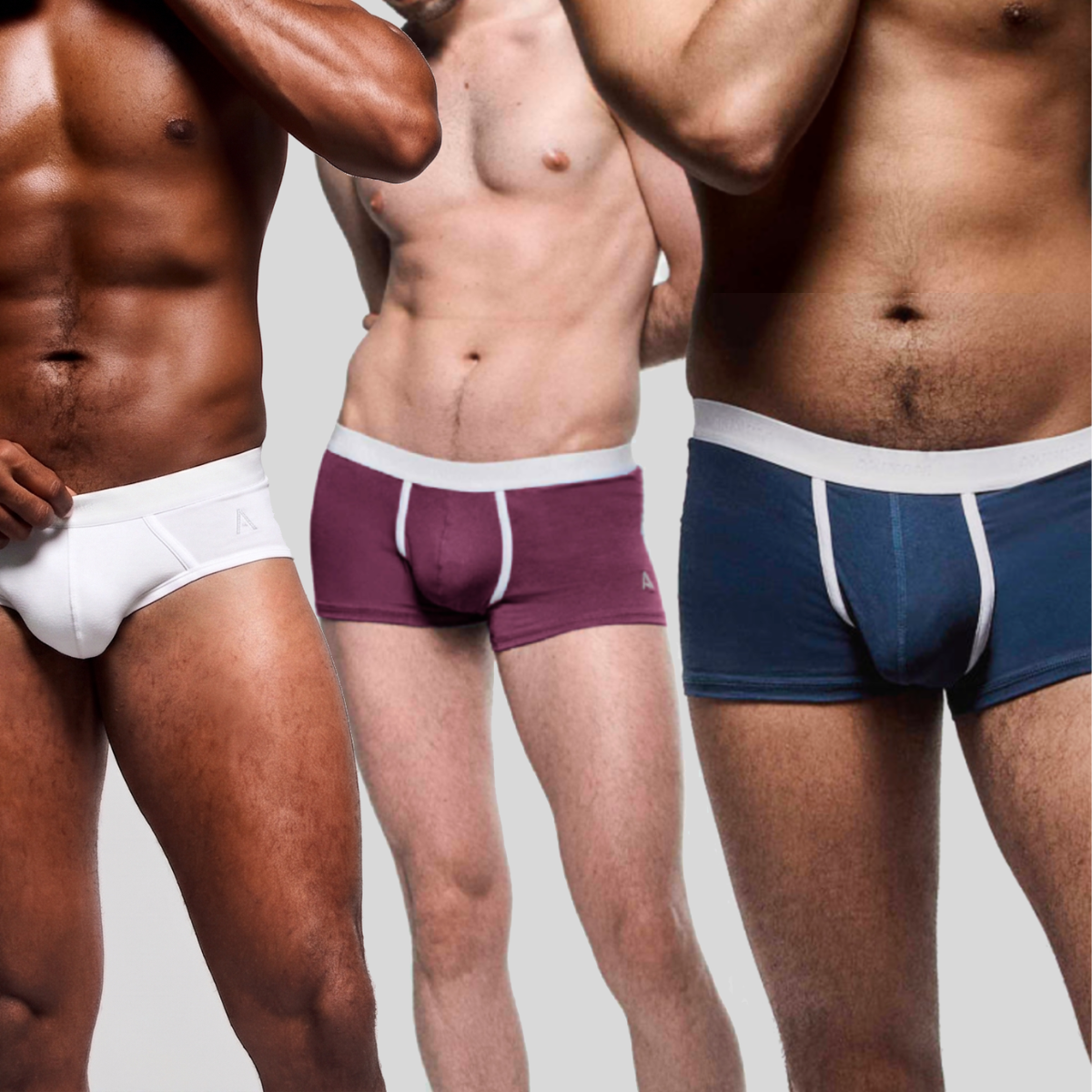
Three AKINOM ranges are built on the same foundation: organic cotton. ESSENTIEL, INITIALE and IDOLE share this fabric, each with its own knit construction. It is not a default choice. It is the fabric the brand has chosen as its foundation, and it remains today the benchmark for the entire collection. What exactly is organic cotton compared to standard cotton Organic cotton is grown without pesticides or synthetic chemical fertilizers, from non-genetically modified seeds. The resulting fiber is softer to the touch than conventional cotton, because it has not undergone the harsh chemical treatments that can weaken and stiffen the fiber. The difference is especially noticeable after several washes: quality organic cotton retains its softness where low-end standard cotton dries out and loses its drape. Why AKINOM made organic cotton the common fabric for INITIALE and IDOLE INITIALE uses a fine ribbed knit, more structured. IDOLE uses a jersey knit, softer and closer to the body. The two share the same organic cotton base because it is the fabric that best meets three simultaneous requirements: breathability for a garment worn all day, softness in direct contact with the skin, and resistance to wear over time, wash after wash. It is also the most recognizable fabric for the customer: no exotic fiber to explain, a fabric everyone knows, but worked with an organic quality requirement and certification that is rarely found at this price point. Organic cotton and Oeko-Tex Standard 100 certification: what it guarantees All AKINOM organic cotton pieces are Oeko-Tex Standard 100 certified, which guarantees the absence of harmful substances at every stage, from the fiber to the finished product. For underwear, this guarantee matters more than for any other garment, since it remains in direct and prolonged contact with the skin. How organic cotton ages over time, wash after wash Quality organic cotton, properly maintained, retains its softness far beyond a hundred washes. The simple rule to remember: wash at 30°C, without excess fabric softener which ends up clogging the fiber, and preferably air dry. It is this consistency that explains why some AKINOM customers renew their stock not because the fabric is worn out, but simply to change colors. Frequently Asked Questions Is organic cotton more fragile than classic cotton? No. The organic fiber is actually less weakened over time, because it has not undergone the chemical treatments that accelerate the wear of low-end conventional cotton. Proper maintenance (30°C, air drying) is enough to preserve its quality durably. Why does organic cotton cost more to produce? Organic farming requires more labor, lower yields per hectare than intensive farming, and certified traceability at every stage. This production surcharge is reflected in the final price, in exchange for a healthier and more durable fabric. Discover the ESSENTIEL collection →
Three AKINOM ranges are built on the same foundation: organic cotton. ESSENTIEL, INITIALE and IDOLE share this fabric, each with its own knit construction. It is not a default choice. It is the fabric the brand has chosen as its foundation, and it remains today the benchmark for the entire collection.What exactly is organic cotton compared to standard cottonOrganic cotton is grown without pesticides or synthetic chemical fertilizers, from non-genetically modified seeds. The resulting fiber is softer to the touch than conventional cotton, because it has not undergone the harsh chemical treatments that can weaken and stiffen the fiber. The difference is especially noticeable after several washes: quality organic cotton retains its softness where low-end standard cotton dries out and loses its drape.Why AKINOM made organic cotton the common fabric for INITIALE and IDOLEINITIALE uses a fine ribbed knit, more structured. IDOLE uses a jersey knit, softer and closer to the body. The two share the same organic cotton base because it is the fabric that best meets three simultaneous requirements: breathability for a garment worn all day, softness in direct contact with the skin, and resistance to wear over time, wash after wash.It is also the most recognizable fabric for the customer: no exotic fiber to explain, a fabric everyone knows, but worked with an organic quality requirement and certification that is rarely found at this price point.Organic cotton and Oeko-Tex Standard 100 certification: what it guaranteesAll AKINOM organic cotton pieces are Oeko-Tex Standard 100 certified, which guarantees the absence of harmful substances at every stage, from the fiber to the finished product. For underwear, this guarantee matters more than for any other garment, since it remains in direct and prolonged contact with the skin.How organic cotton ages over time, wash after washQuality organic cotton, properly maintained, retains its softness far beyond a hundred washes. The simple rule to remember: wash at 30°C, without excess fabric softener which ends up clogging the fiber, and preferably air dry. It is this consistency that explains why some AKINOM customers renew their stock not because the fabric is worn out, but simply to change colors.Frequently Asked QuestionsIs organic cotton more fragile than classic cotton?No. The organic fiber is actually less weakened over time, because it has not undergone the chemical treatments that accelerate the wear of low-end conventional cotton. Proper maintenance (30°C, air drying) is enough to preserve its quality durably.Why does organic cotton cost more to produce?Organic farming requires more labor, lower yields per hectare than intensive farming, and certified traceability at every stage. This production surcharge is reflected in the final price, in exchange for a healthier and more durable fabric.Discover the ESSENTIEL collection →