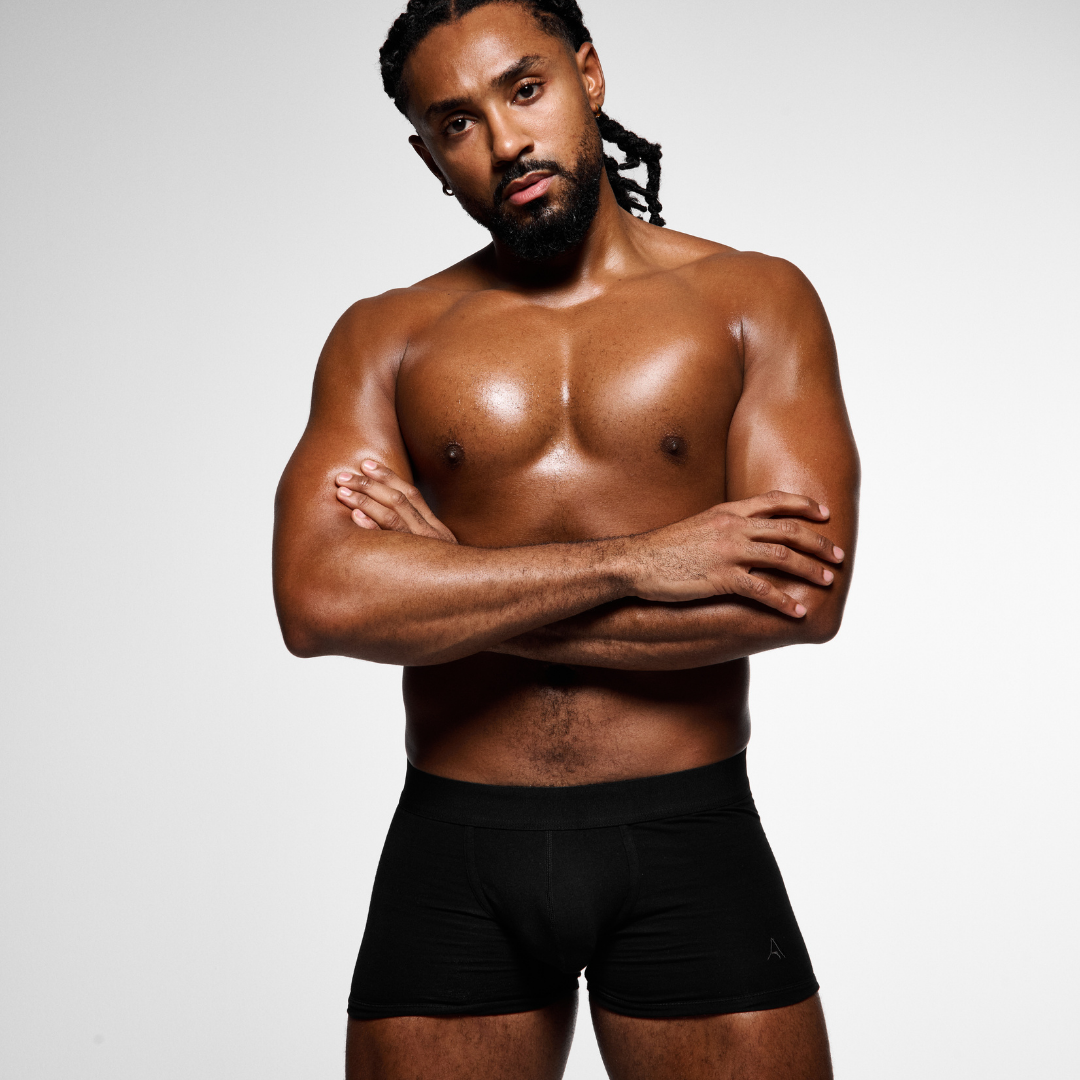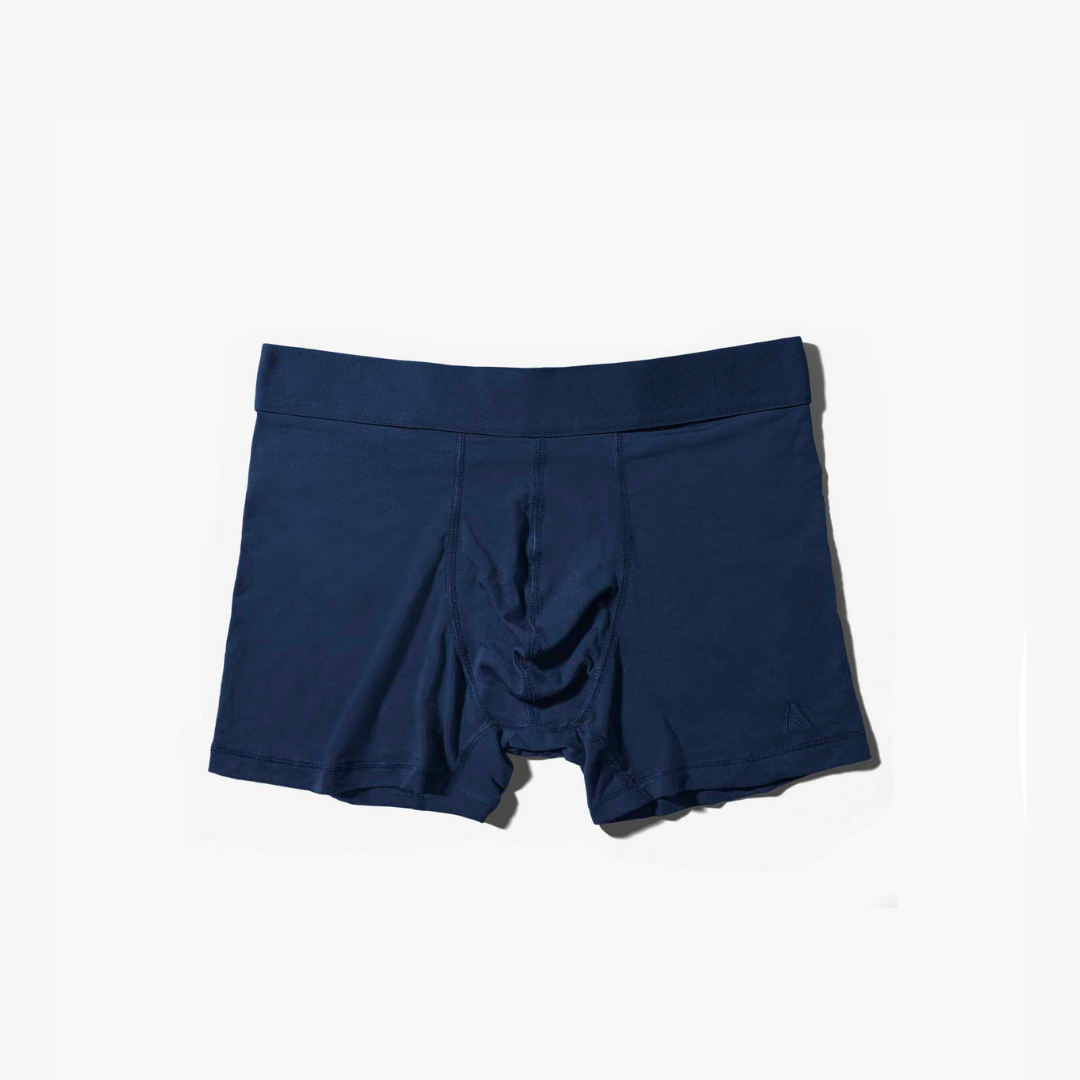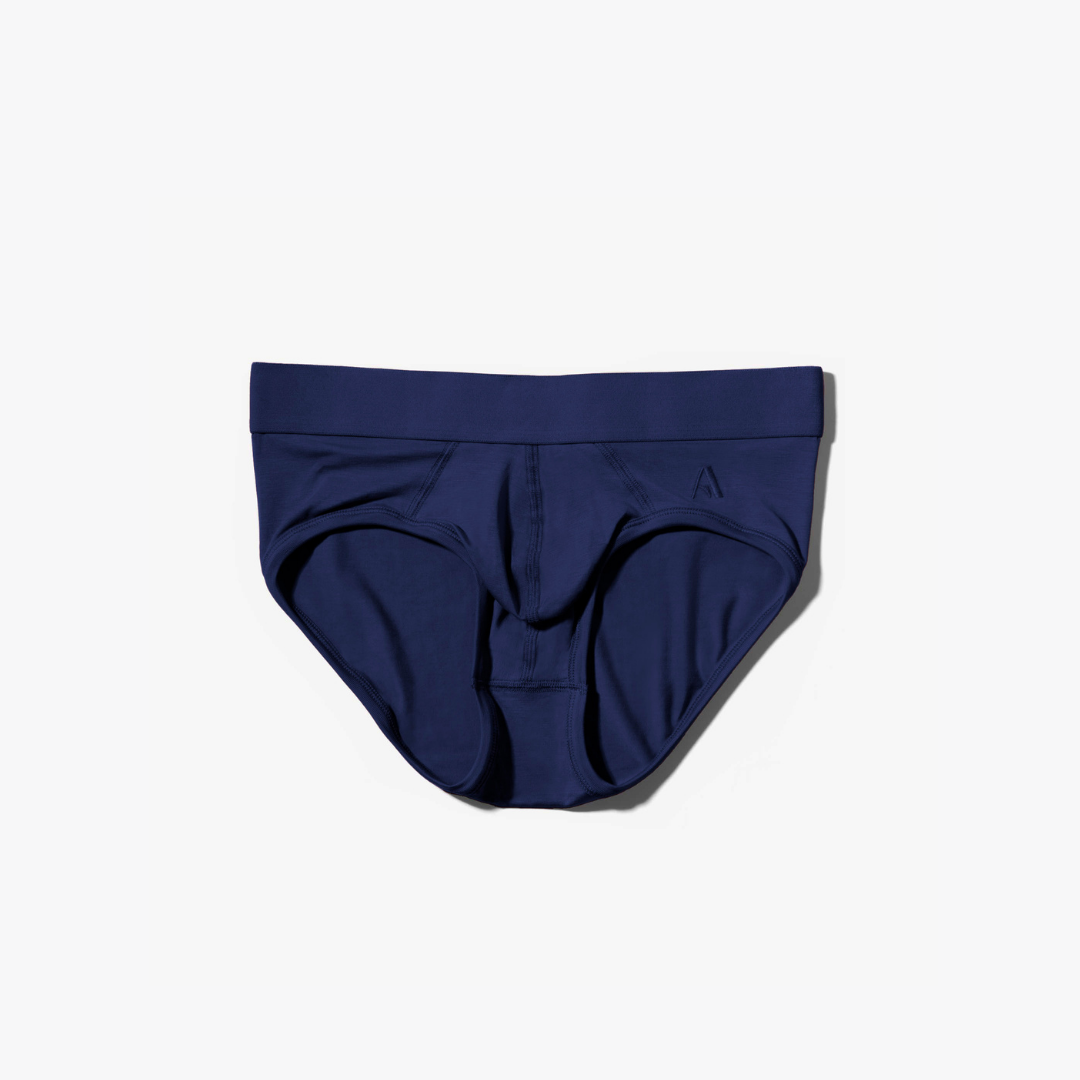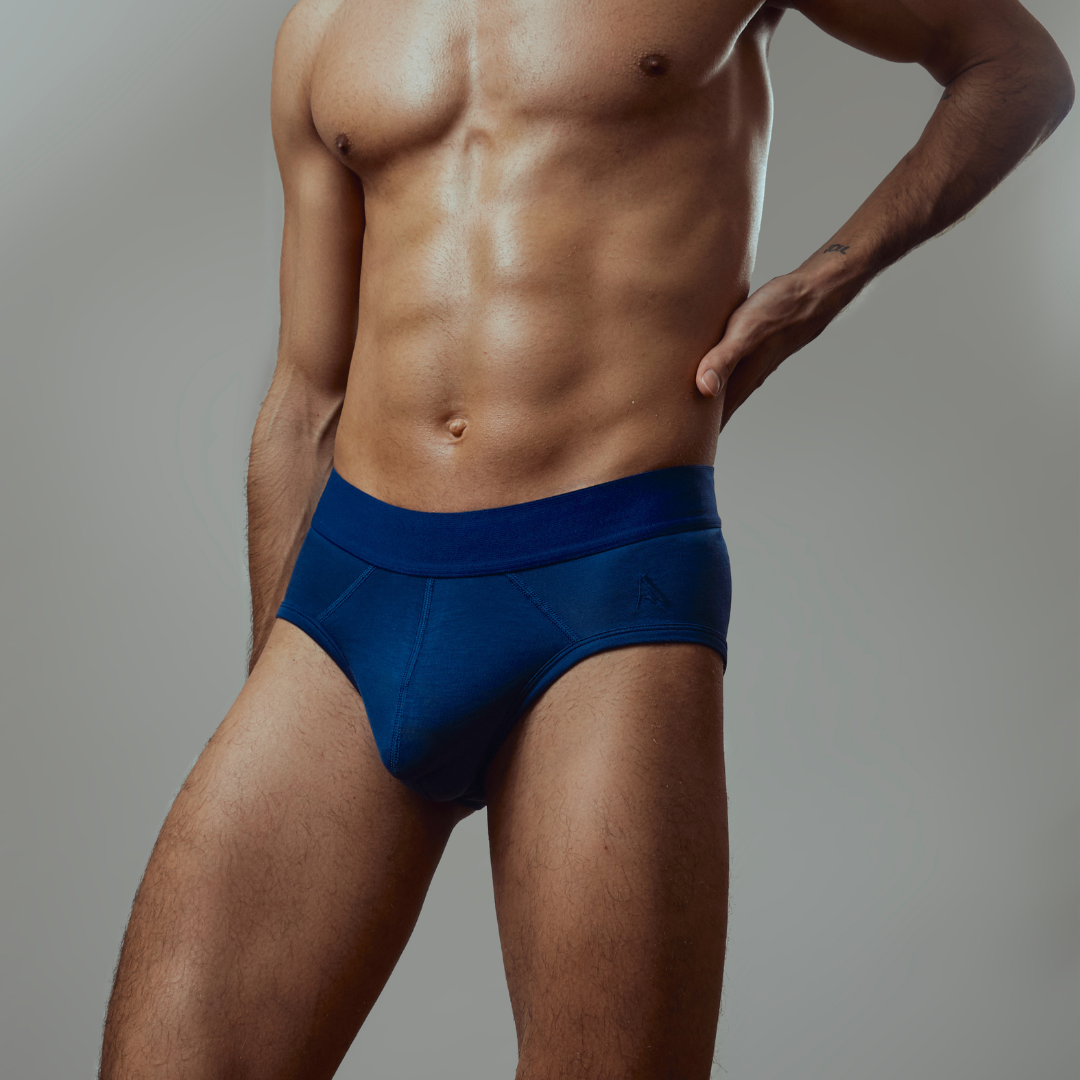
What is lyocell? The material that's changing men's underwear comfort
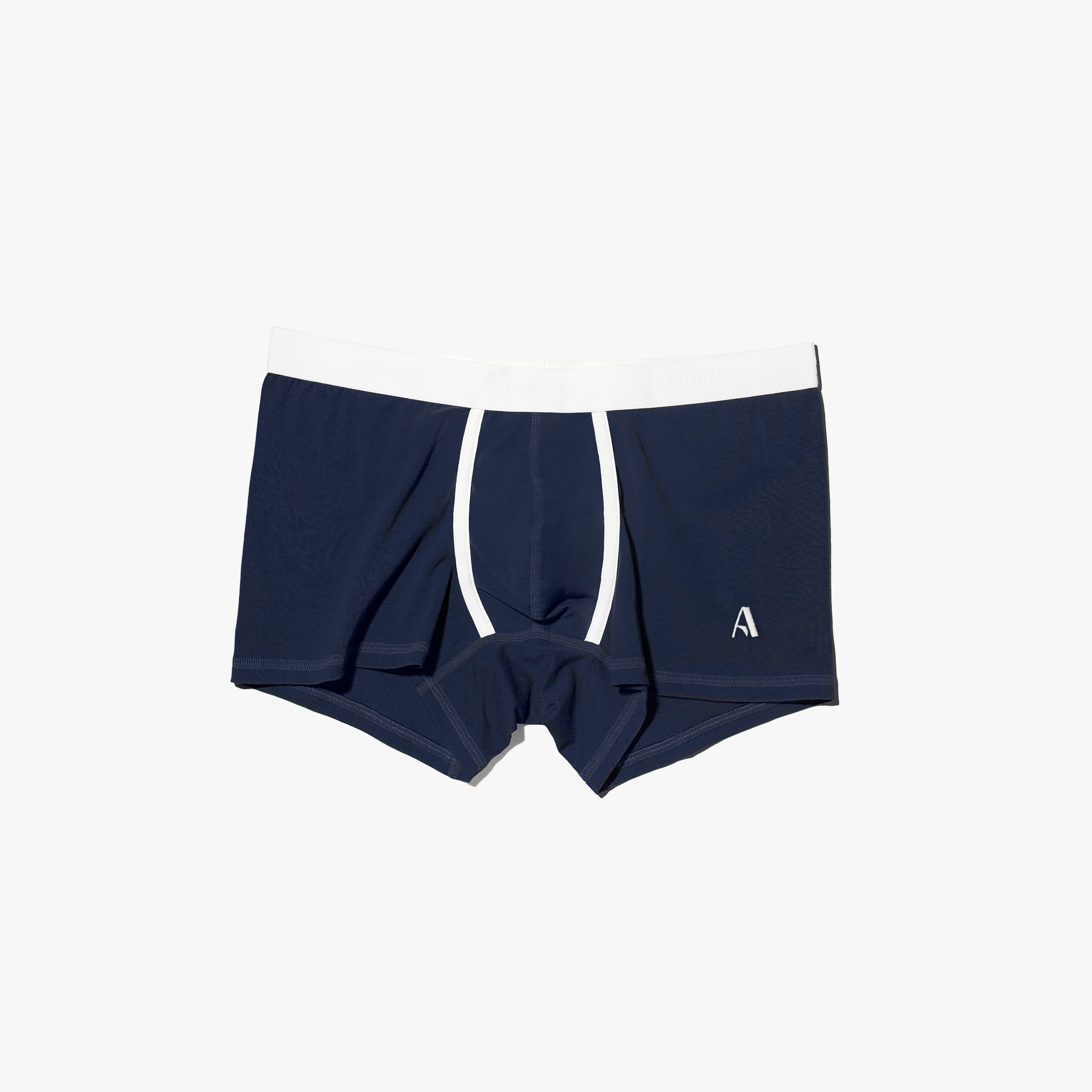
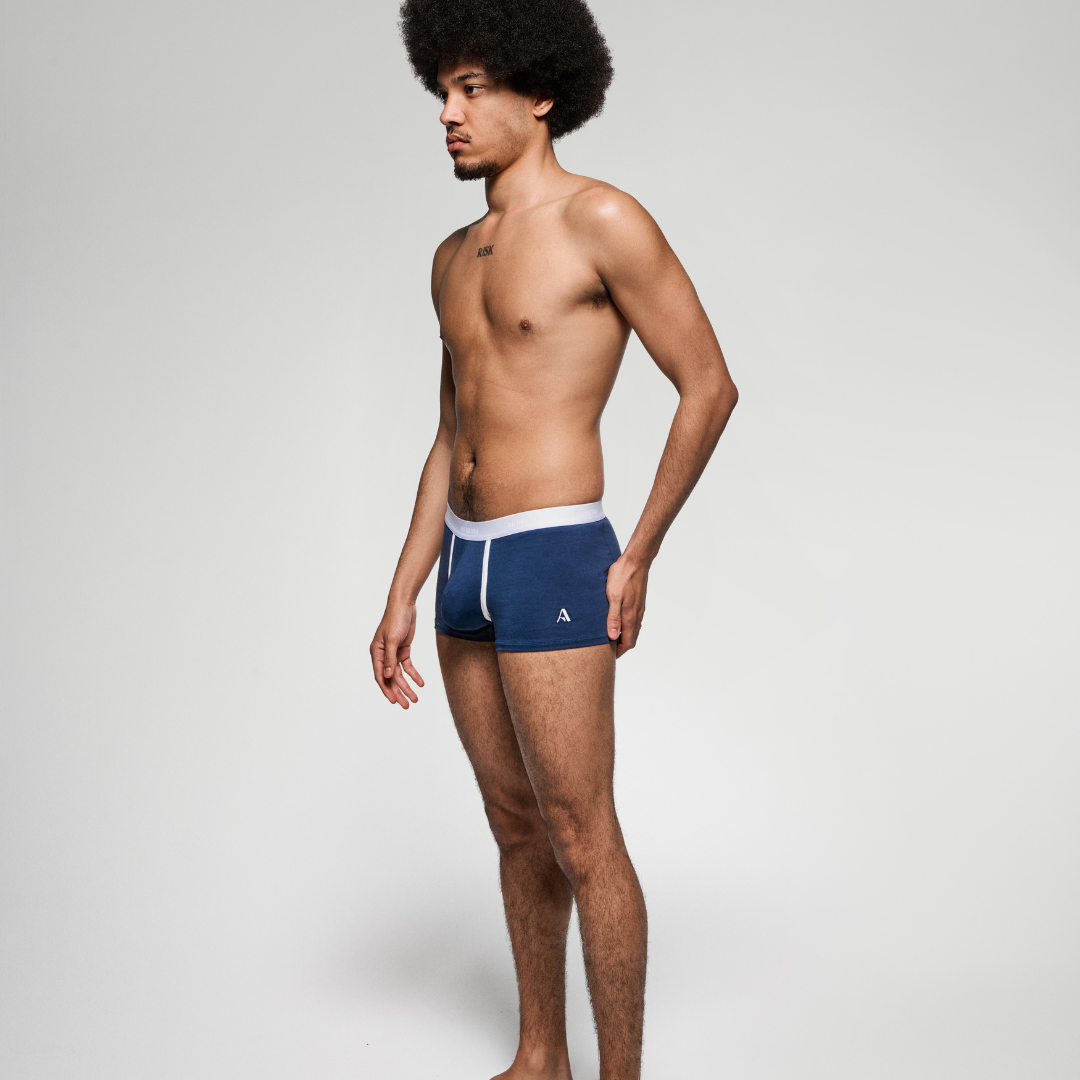
Lyocell is a natural textile fiber produced from wood pulp — primarily eucalyptus — processed using a closed-loop system that recycles 99% of the solvents used. It is currently one of the softest, most breathable, and most environmentally friendly materials available for men's underwear.
How is lyocell made?
Lyocell is made by dissolving wood cellulose in a non-toxic organic solvent, then spinning it into fibers. This patented process — originally developed under the Tencel™ brand by Lenzing AG — differs from synthetic fibers (polyester, nylon) due to its natural origin and from viscose due to its closed-loop process, which is much less polluting.
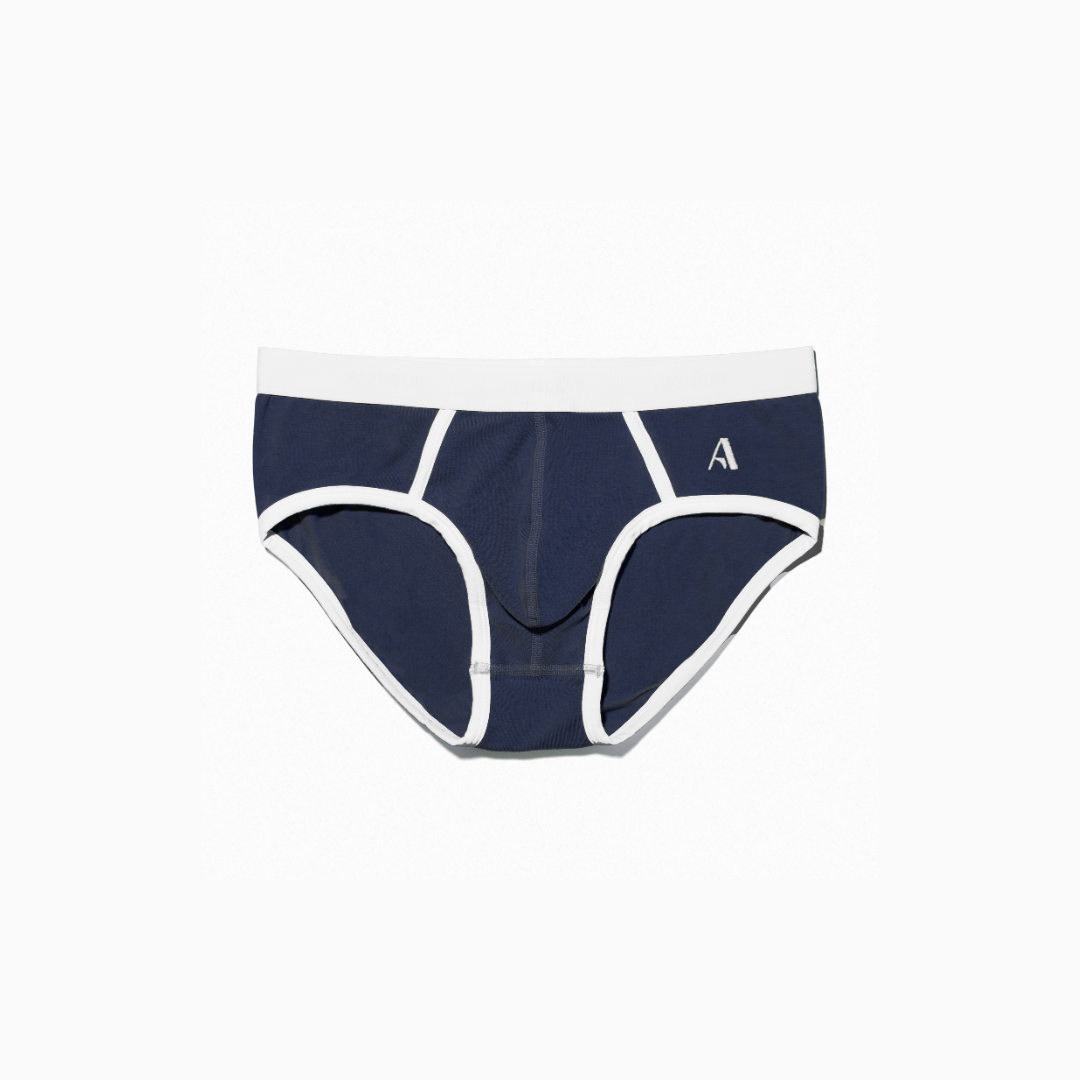
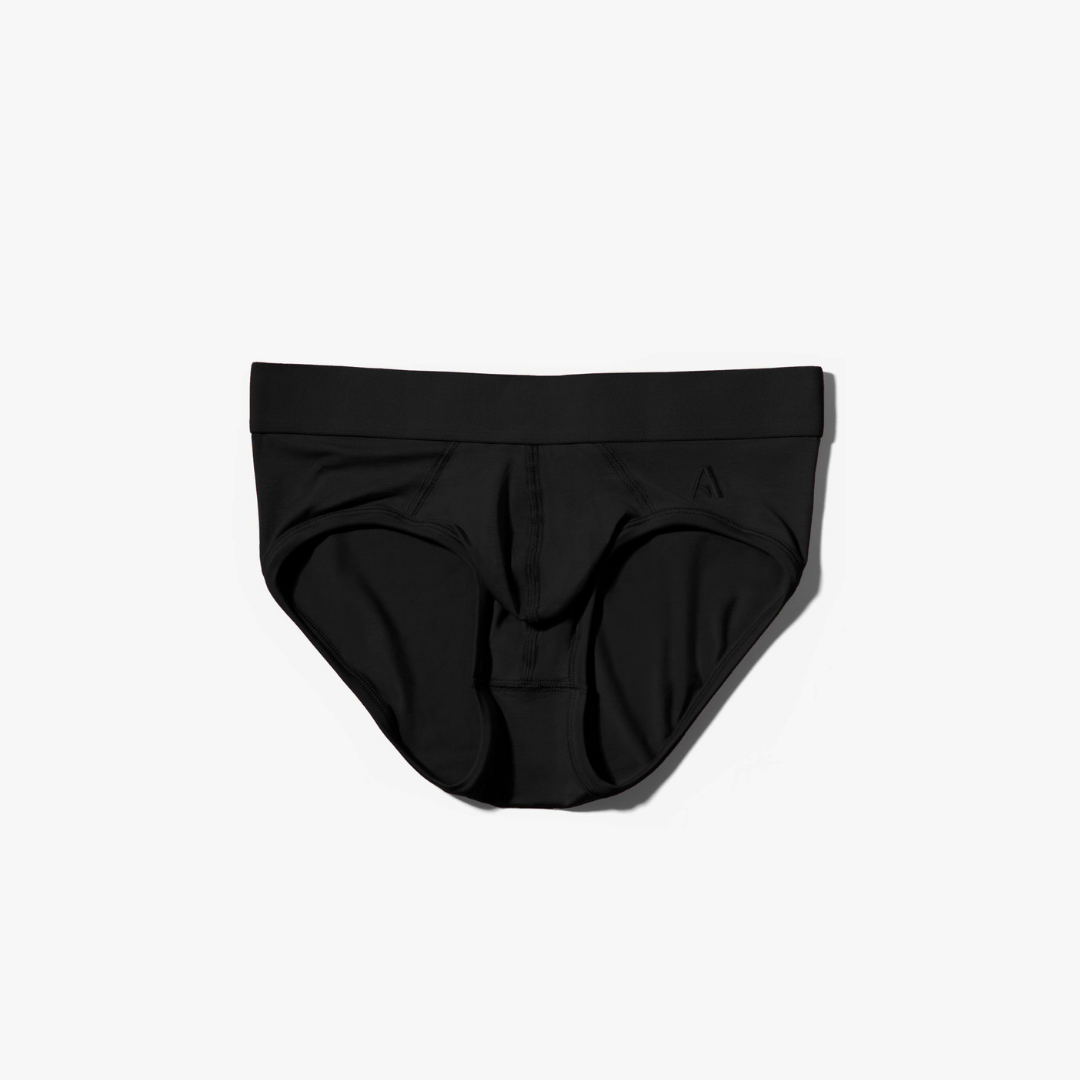
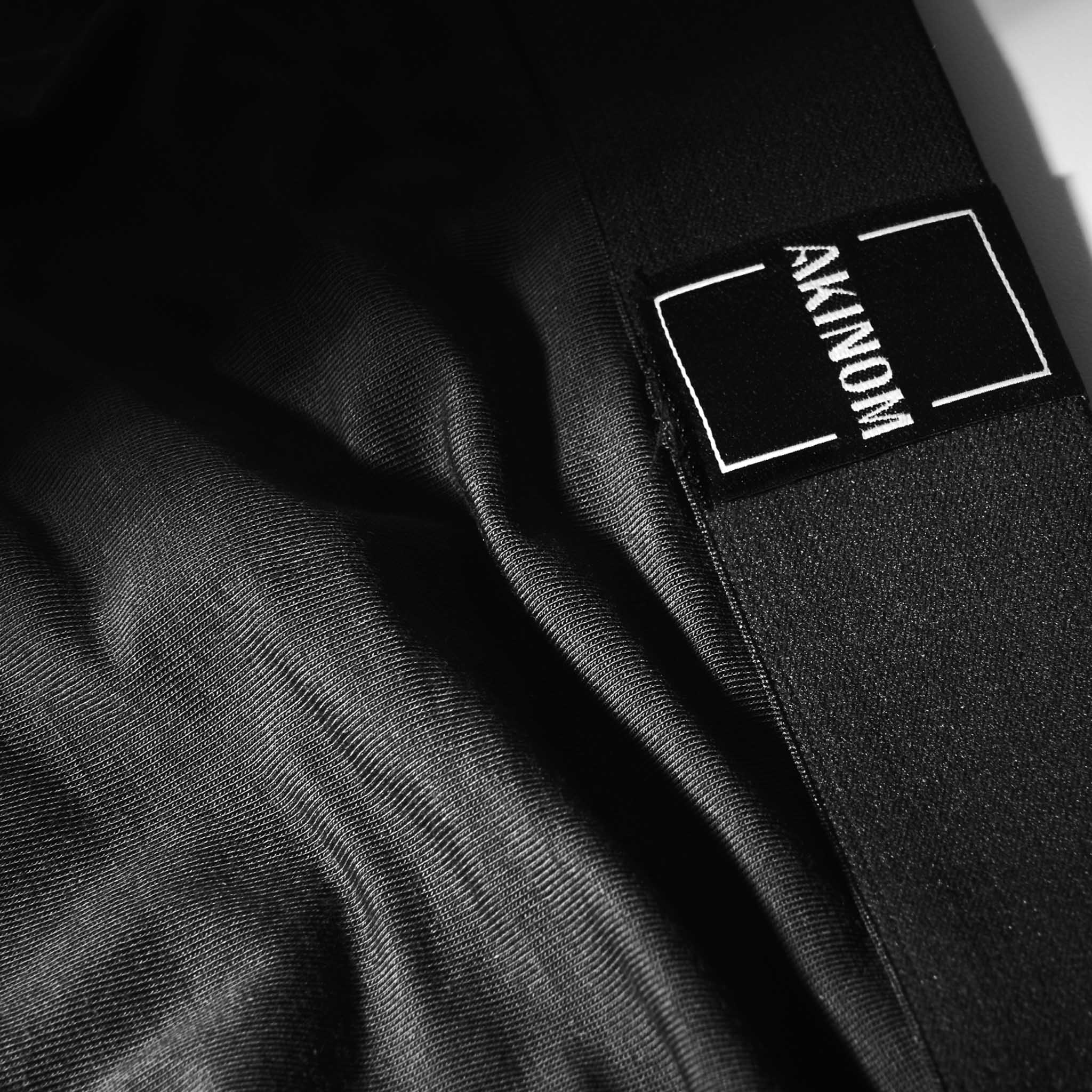
The Tencel™ brand is Lenzing's certified version of lyocell, used by premium brands that prioritize traceability. At Akinom, our PREMIUM range is made from Lenzing™ lyocell.
What are the properties of lyocell for underwear?
Lyocell has five properties that make it the benchmark material for quality men's underwear.
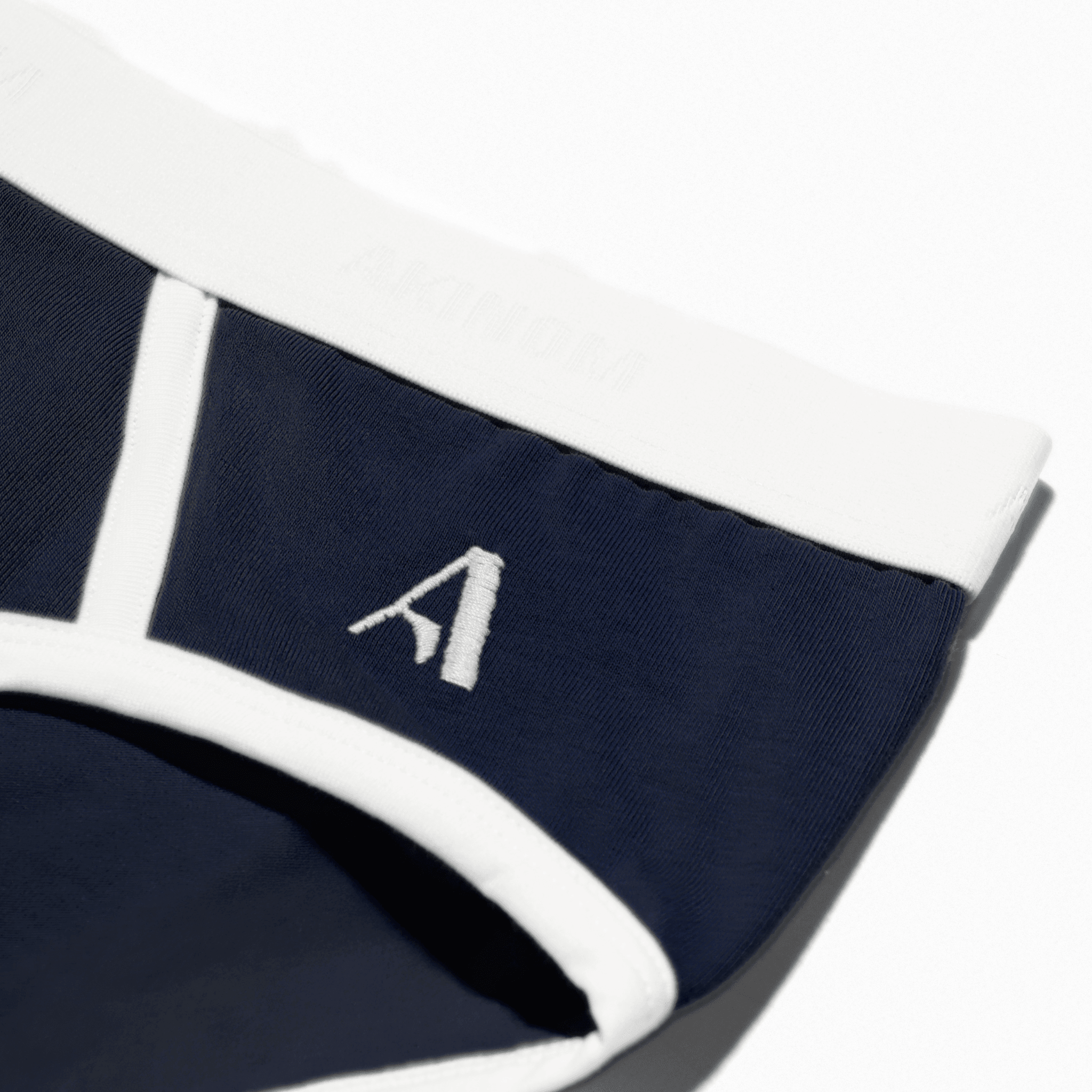
1. Exceptional Softness Lyocell fiber has a microscopically smooth surface. To the touch, it is comparable to silk — without silk's demanding care requirements. For daily wear against the skin, this is a decisive advantage, especially for sensitive skin.
2. Breathability and Thermoregulation Lyocell absorbs moisture up to 50% better than cotton and releases it quickly. The result: no clammy feeling against the skin, even on active days. The skin stays dry, and temperature regulates naturally.
3. Bacteria Resistance Active moisture management limits bacterial growth — and therefore odors. Lyocell underwear stays fresh longer than standard cotton underwear.
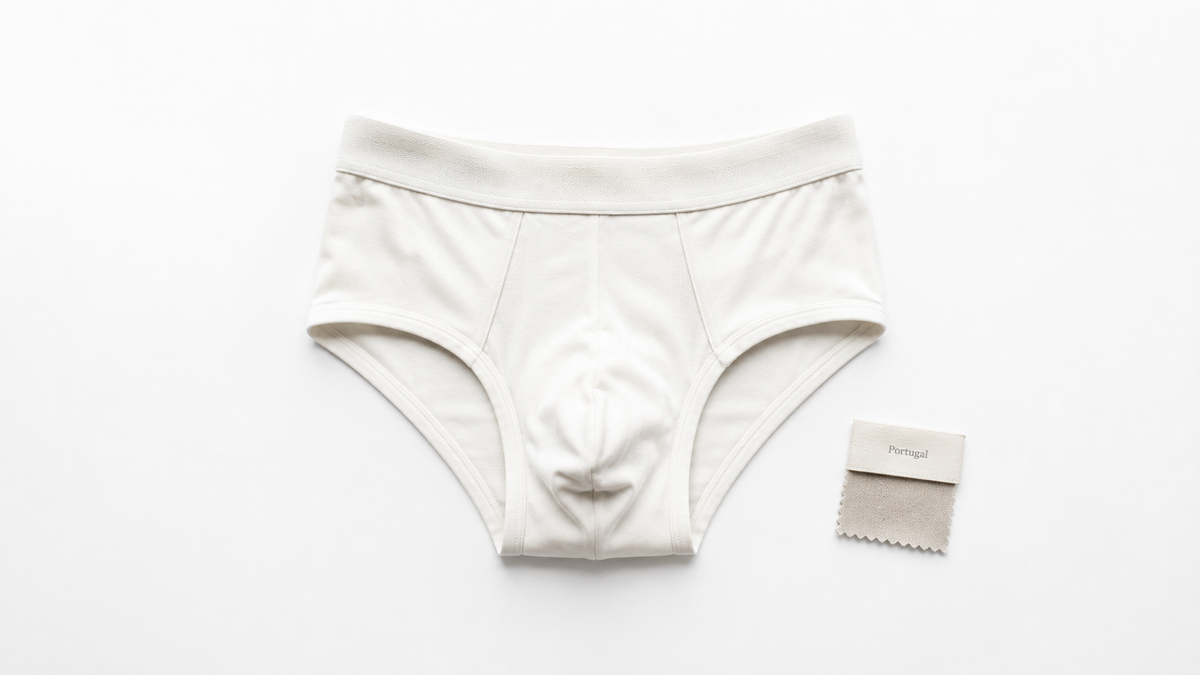
4. Shape Retention Lyocell resists repeated washing well and retains its shape without excessive stretching. Well-designed lyocell underwear maintains its fit for two to four years of regular wear.
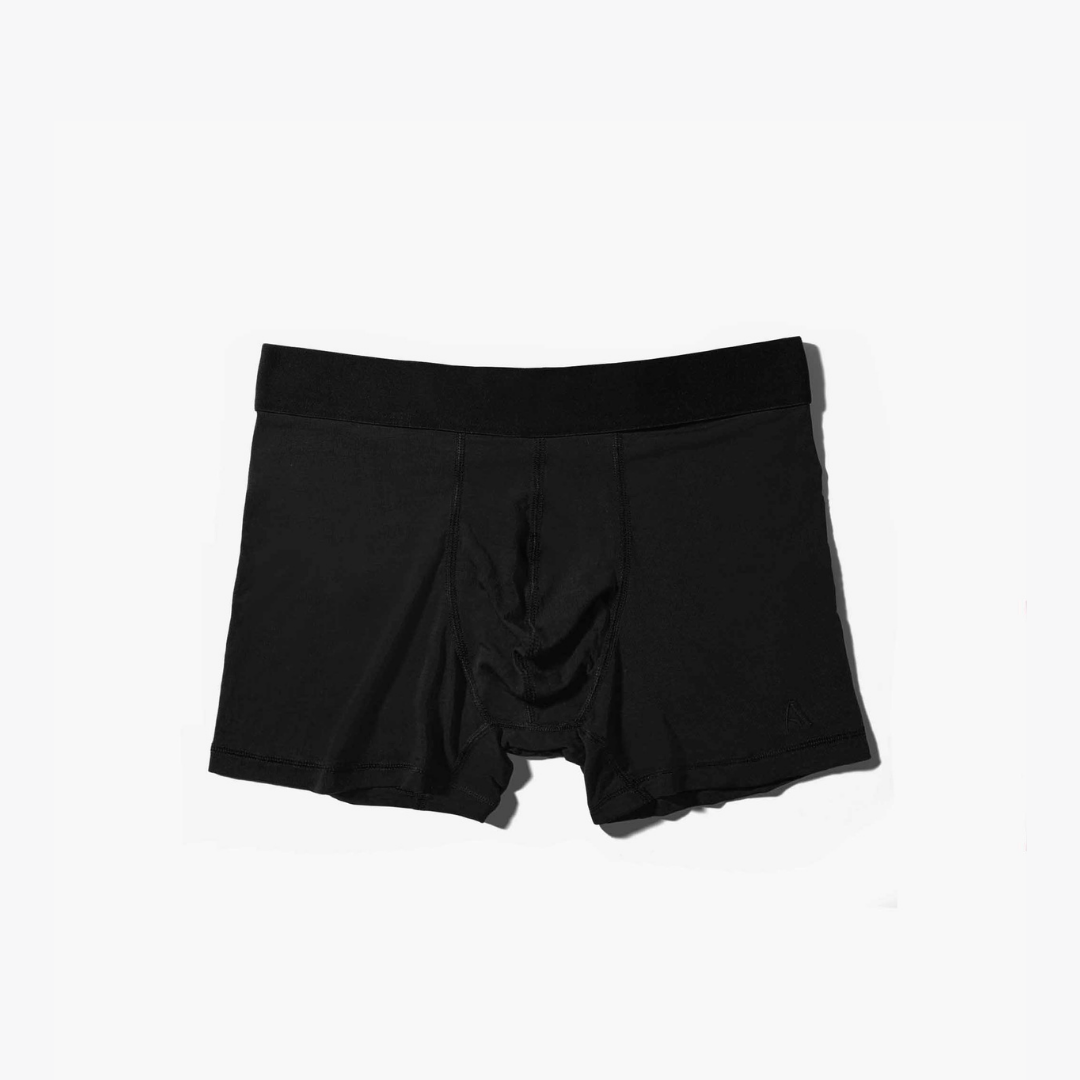
5. Lightweight Lyocell is inherently lightweight. A quality lyocell boxer weighs less than 70 grams — about a third less than a thick ribbed cotton equivalent.
| Property | Lyocell | Organic Cotton | Modal | Standard Cotton |
|---|---|---|---|---|
| Softness | ★★★★★ | ★★★★☆ | ★★★★★ | ★★★☆☆ |
| Breathability | ★★★★★ | ★★★★☆ | ★★★★☆ | ★★★☆☆ |
| Moisture Absorption | ★★★★★ | ★★★★☆ | ★★★★☆ | ★★★☆☆ |
| Lightweight | ★★★★★ | ★★★☆☆ | ★★★★☆ | ★★★☆☆ |
| Wash Resistance | ★★★★☆ | ★★★★★ | ★★★★☆ | ★★★★★ |
| Environmental Impact | ★★★★★ | ★★★★☆ | ★★★★☆ | ★★☆☆☆ |
→ see the guide "How to choose your men's underwear"
Is lyocell a natural or synthetic material?
Lyocell is a natural fiber of plant origin — neither synthetic nor artificial in the chemical sense of the term. It is Oeko-Tex Standard 100 certified, which guarantees the absence of harmful substances in the final fiber.
The confusion with synthetics comes from its industrial manufacturing process. But the raw material is 100% plant-based, the fiber is biodegradable, and the closed-loop process limits environmental impact at every step. It is one of the few textile fibers that combines wearing performance with manufacturing responsibility.
What is the difference between lyocell and modal?
Lyocell and modal are two cellulosic (wood-based) fibers, but their manufacturing processes and properties differ slightly. Modal is produced from beech pulp, primarily by Lenzing as well (Tencel™ Modal brand). It is a bit more flexible and drapes better than lyocell, but slightly less breathable.
In practice, for quality underwear, both materials offer superior comfort to standard cotton. Lyocell is often preferred for its lightness and active breathability. Modal is preferred for its maximum softness and "second skin" effect.
→ read the cotton and lyocell comparison
How to care for lyocell underwear?
Lyocell is easy to care for, with two rules to follow:
- Wash at 30°C maximum — lyocell is sensitive to high temperatures that can shrink the fiber or alter its softness.
- Do not tumble dry — air dry flat or hung. Tumble drying accelerates the wear of all premium fibers.
These two rules apply to all quality underwear, regardless of the material. Careful washing doubles the lifespan of a garment.
Why Akinom chose lyocell for the PREMIUM range
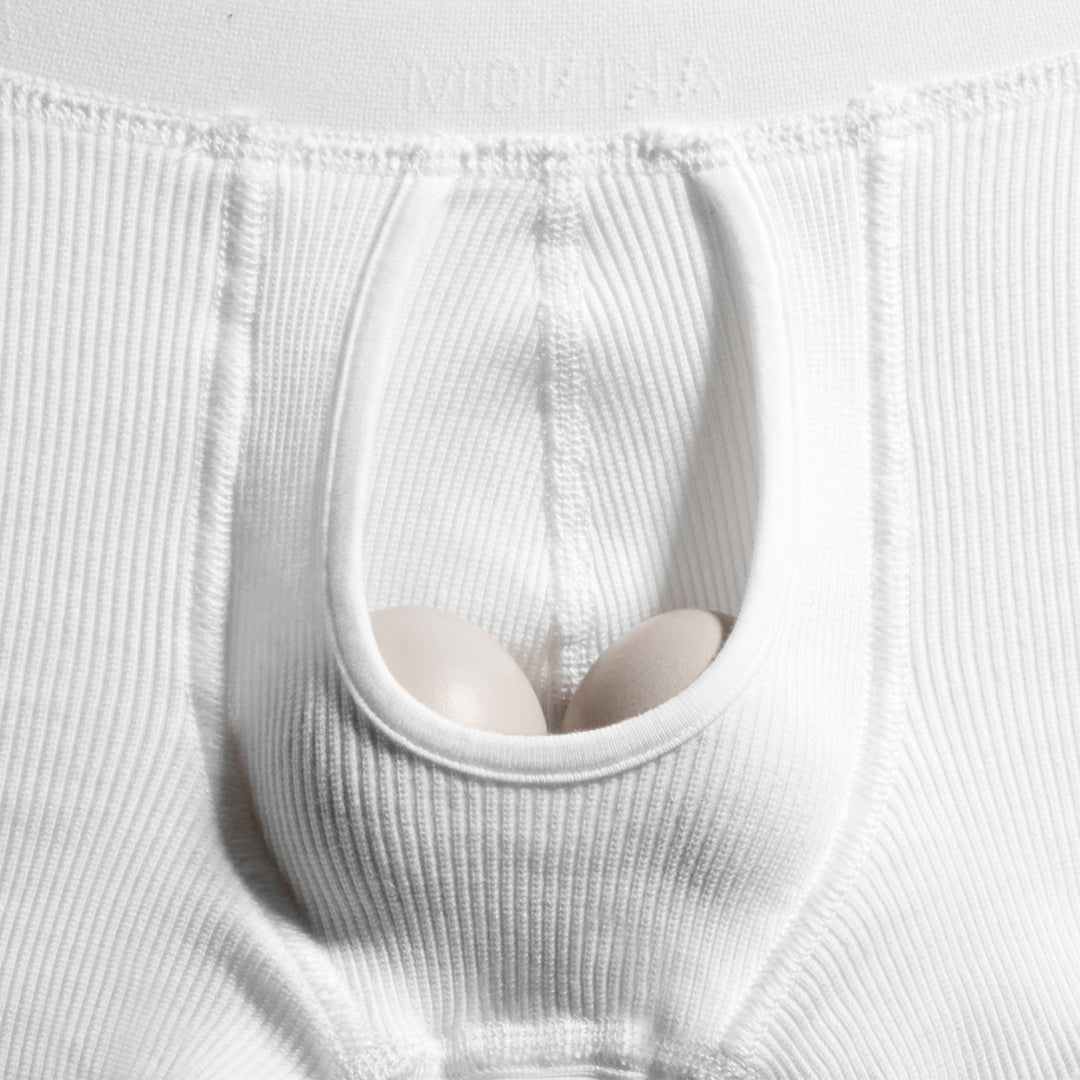
When I launched Akinom in 2021, I had a simple constraint: the material had to deliver on the promise that the cut could fulfill. FrontNest® solves the anatomical problem — but if the material generates heat or irritation, the problem comes back through the window.
Lyocell is the only material that combines lightness, thermoregulation, and softness at this level. That's why it became the material for the PREMIUM range — our most technical pieces, designed for men who no longer want to compromise on comfort.
→ Discover the PREMIUM range in Lenzing™ lyocell
Frequently asked questions about lyocell
Is lyocell suitable for sensitive skin? Yes. Oeko-Tex Standard 100 certified lyocell fiber is free of irritating chemical substances. Its smooth surface and moisture management make it one of the materials best tolerated by reactive skin or skin prone to redness.
Does lyocell shrink when washed? Slight shrinkage is possible if the first wash is done at too high a temperature. At 30°C, lyocell retains its shape wash after wash.
Is lyocell more fragile than cotton? No — well-constructed lyocell underwear is as resistant to washing as cotton underwear, provided washing instructions are followed (30°C, no tumble dry). Perceived fragility often comes from inappropriate washing, not the fiber itself.
What is Tencel™? Tencel™ is the registered trademark by Lenzing AG for its certified lyocell. It is the market's quality benchmark: the closed-loop production process is certified, and fiber traceability is guaranteed from the forest to manufacturing. Akinom uses Lenzing™ lyocell in its PREMIUM range.
Is lyocell biodegradable? Yes. Lyocell is a plant-based fiber that is biodegradable under appropriate conditions. It represents an alternative to synthetic fibers (polyester, nylon) that persist for hundreds of years in the environment.
Is lyocell worth the higher price compared to organic cotton?
Yes, insofar as the price difference reflects a real difference in properties: better thermal regulation, faster drying, and a more pronounced second-skin feel than organic cotton. For standard daily use, INITIALE organic cotton remains an excellent choice. For regular physical activity or heat-sensitive skin, PREMIUM lyocell justifies its positioning.

Written by Florian Wernert