How to Choose Men's Underwear: The Complete 2026 Guide
A man spends an average of 16 hours a day in his underwear. It's the most worn garment in his wardrobe — and often the least considered. This guide changes that. Cuts, materials, body shape, size, care: everything you need to know to choose correctly, once and for all.
Table of Contents
- Why choosing men's underwear is more important than you think
- Available cuts: boxer, brief, shorty, jockstrap — which one is right for you?
- Materials: organic cotton, lyocell, modal — what each fiber truly offers
- Body shape and underwear: adapting your cut to your body
- How to find your exact size
- Anatomical construction: what brands never tell you
- Signs of poor quality underwear
- How to care for your underwear to make it last
- How much should you invest in your underwear?
- Our selection at Akinom
Why choosing men's underwear is more important than you think
Underwear that works goes unnoticed — it's forgotten. Underwear that doesn't work, however, occupies your mind all day: compression when sitting, repeated adjustments, accumulated heat, chafing by the end of the day.
Most men have accepted this discomfort as inevitable. They've worn the same brands since adolescence, buy in bulk because it's convenient, and never question whether their underwear is suitable for their anatomy, body shape, and daily use.
This guide starts with a simple observation: men's underwear is a technical garment. Like a well-constructed shoe or a perfectly tailored suit, it can either liberate or constrain. Choosing the right one makes a real — not just cosmetic — difference.
Available cuts: boxer, brief, shorty, jockstrap — which one is right for you?
The cut is the primary selection criterion. It determines coverage, freedom of movement, and suitability for your body shape.
The boxer
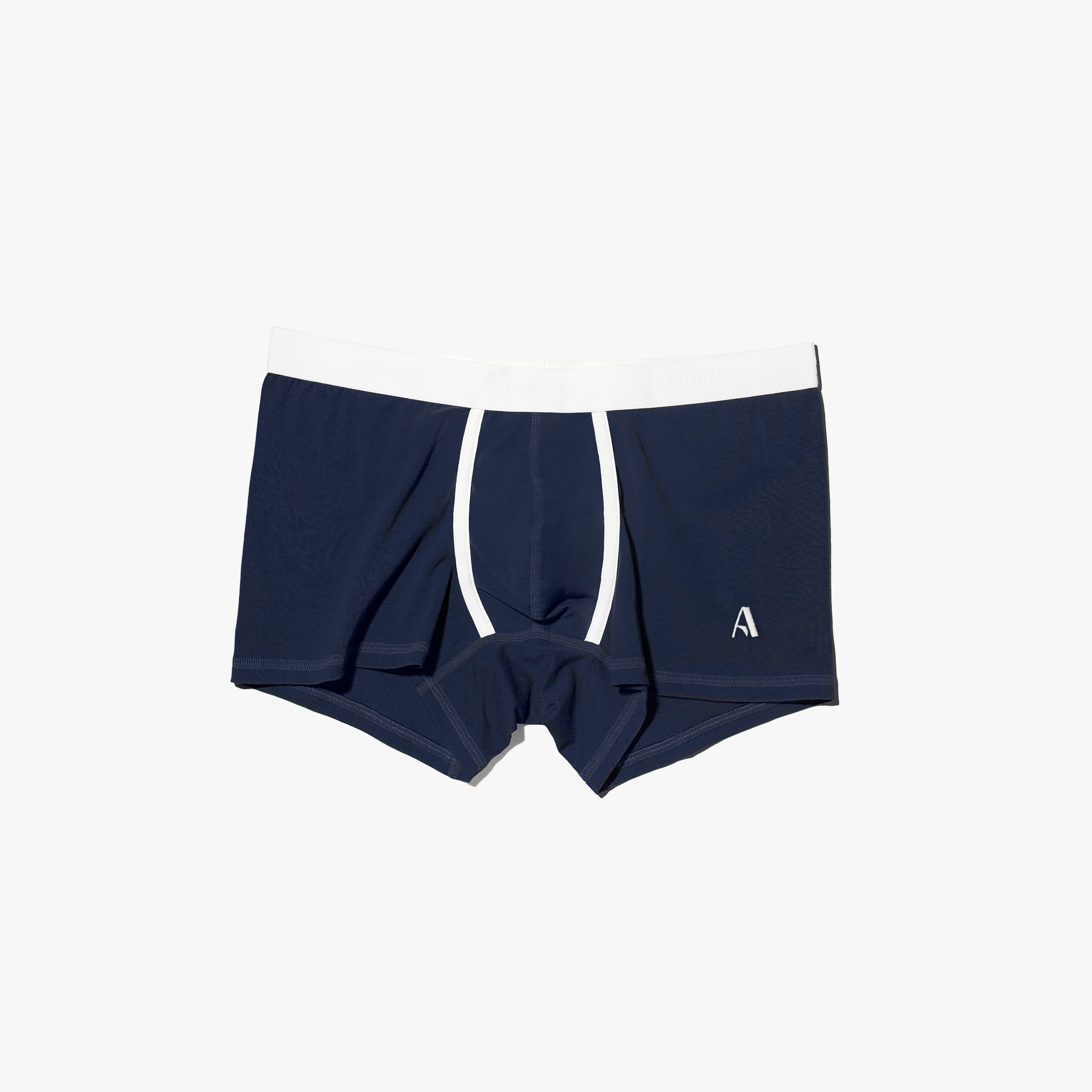
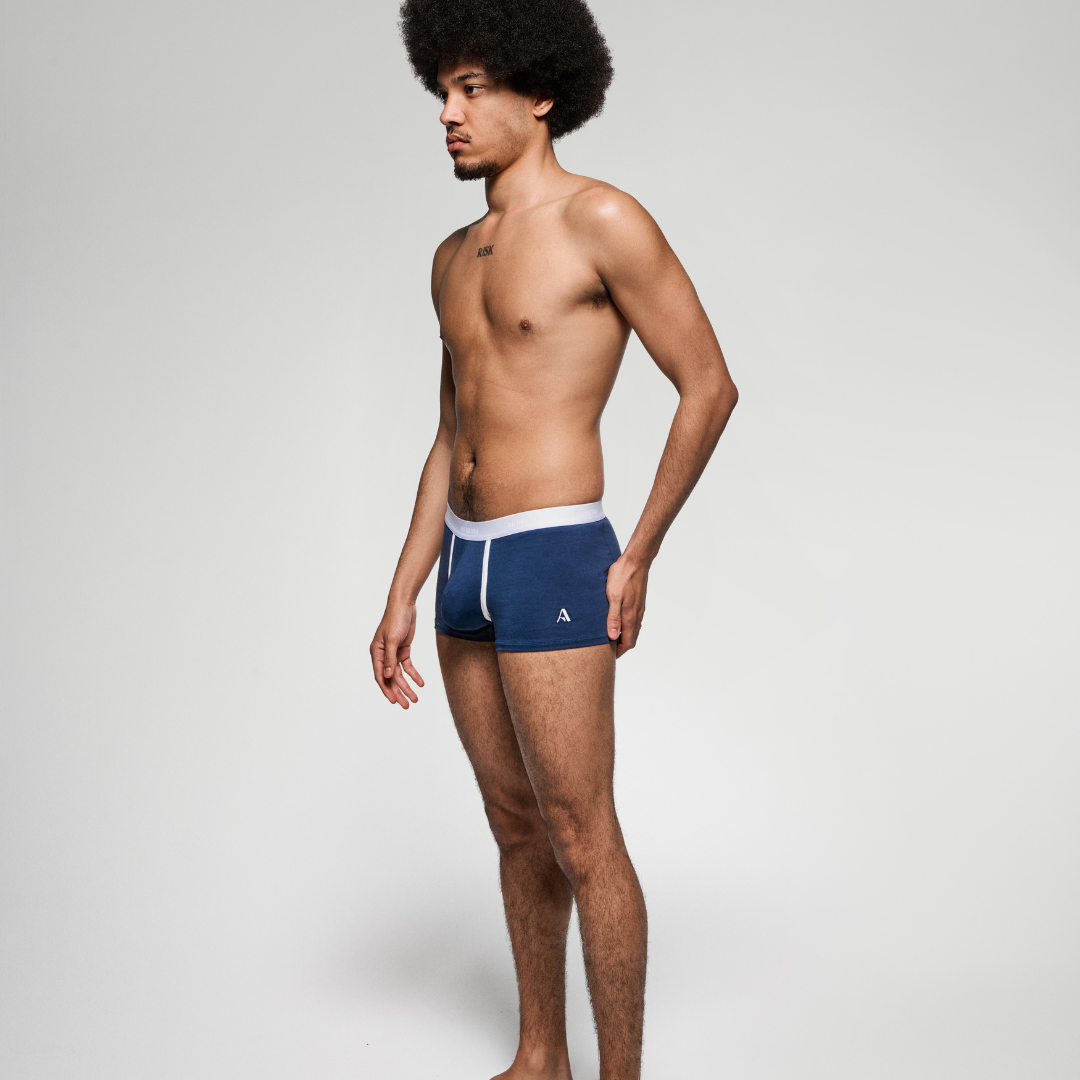
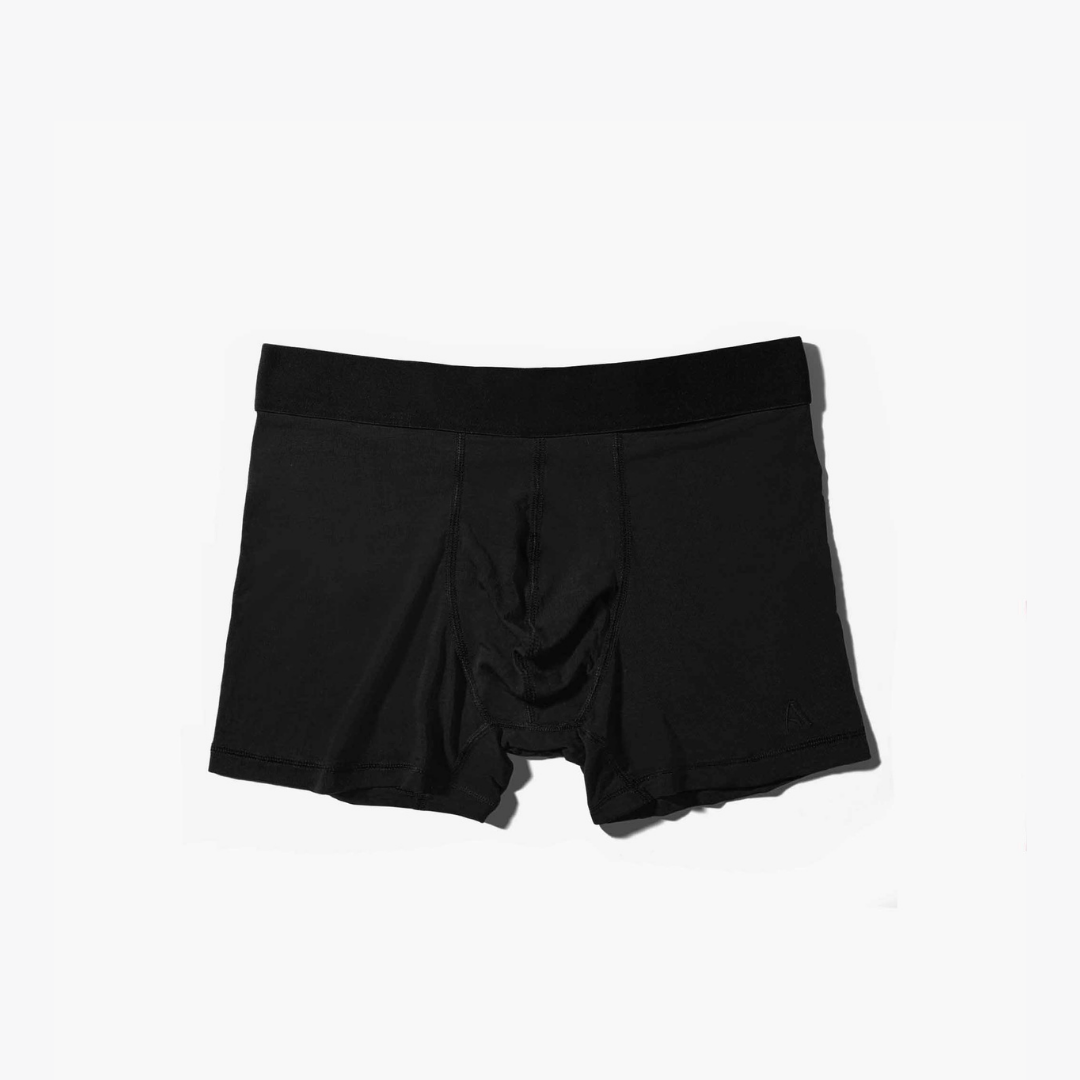
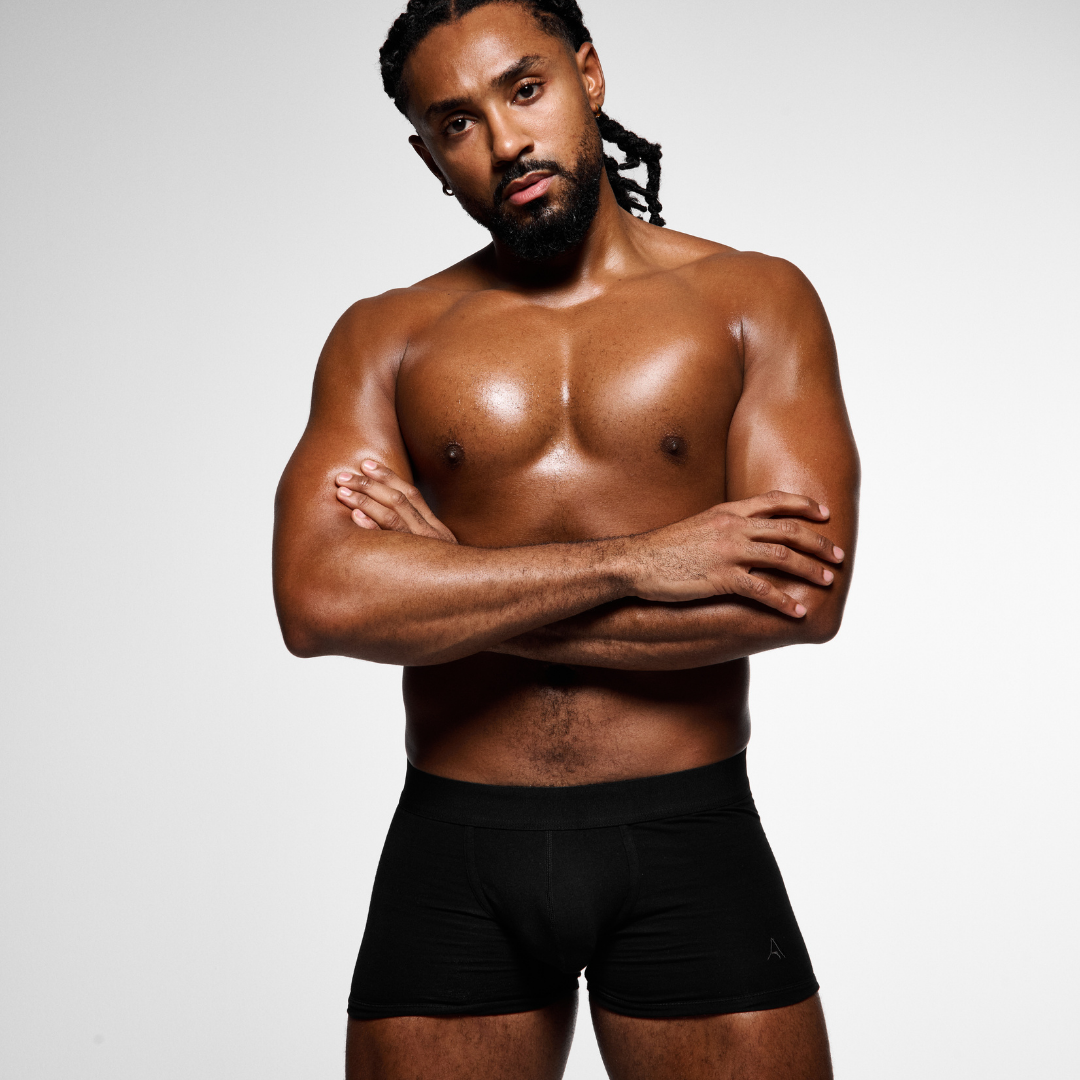
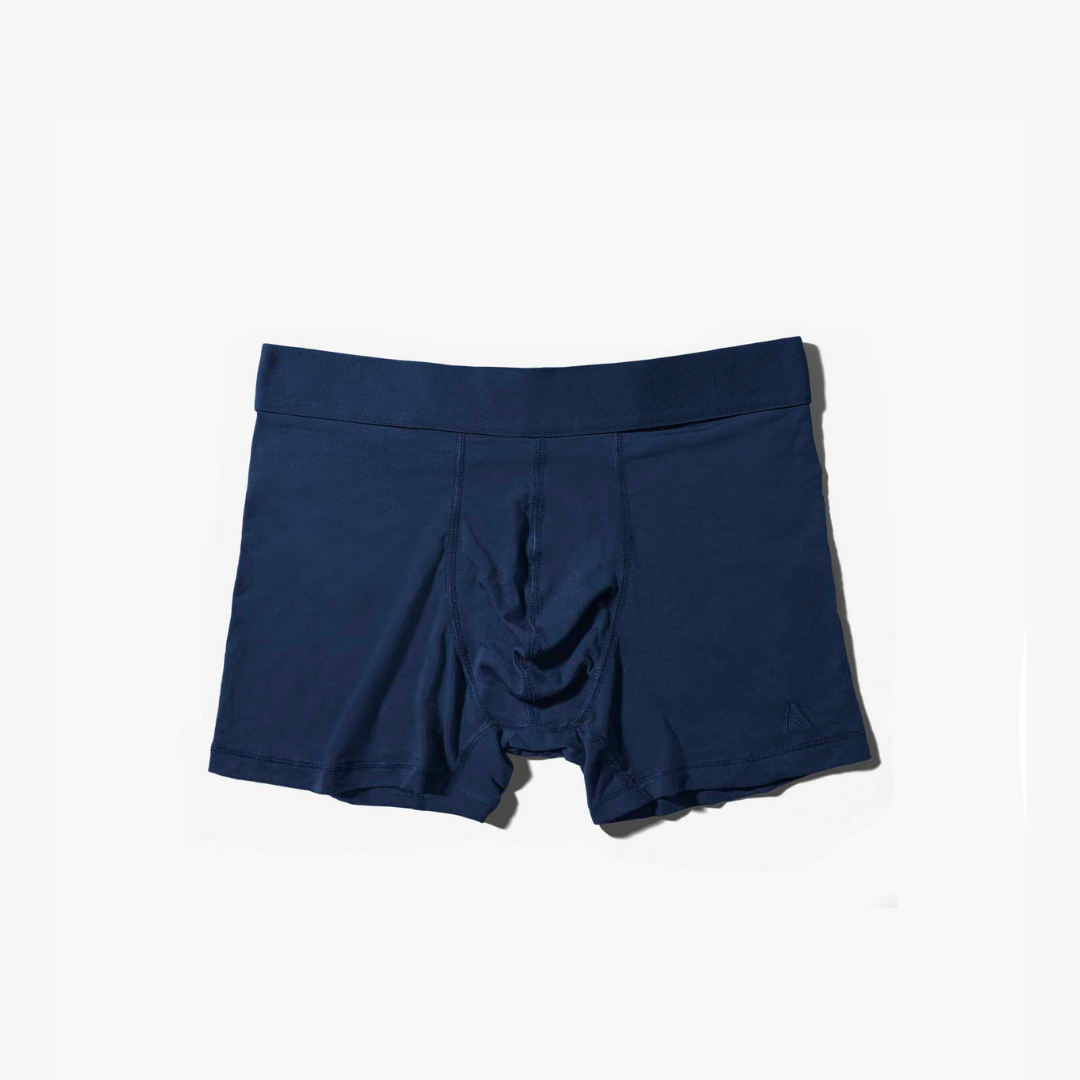
The boxer covers the thighs down to mid-thigh with two distinct leg openings. It's the most common cut in France — and the most often poorly chosen. A well-designed boxer reduces chafing between the thighs and offers a snug feeling. A poorly designed boxer will have its legs ride up within hours, creating exactly the type of discomfort it was meant to prevent.
Ideal for: athletic or corpulent body types, close-set thighs, loose-fitting trousers, less active days. Avoid if: your boxer legs consistently ride up — this indicates an unsuitable cut or material, not an inevitable fate.
The brief
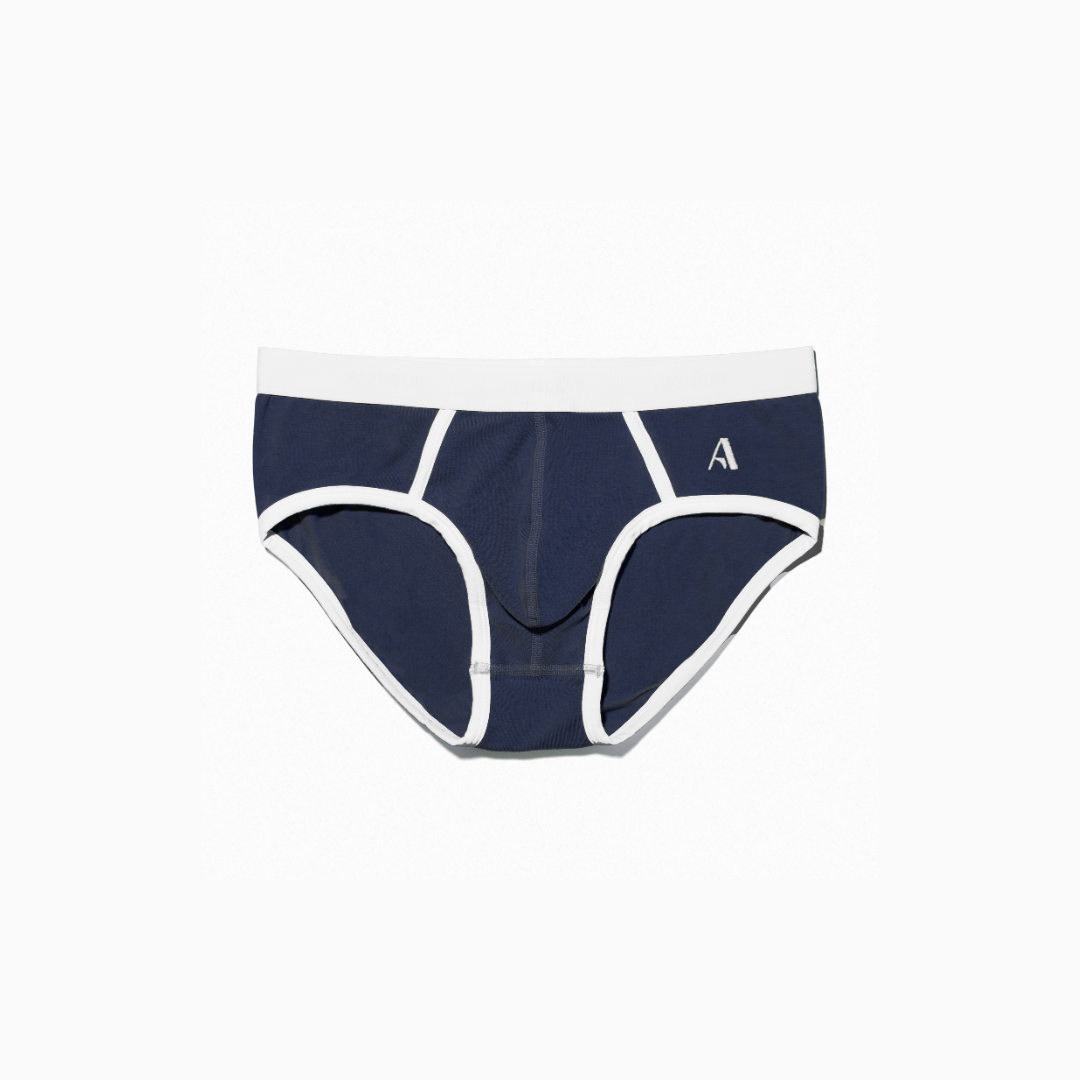
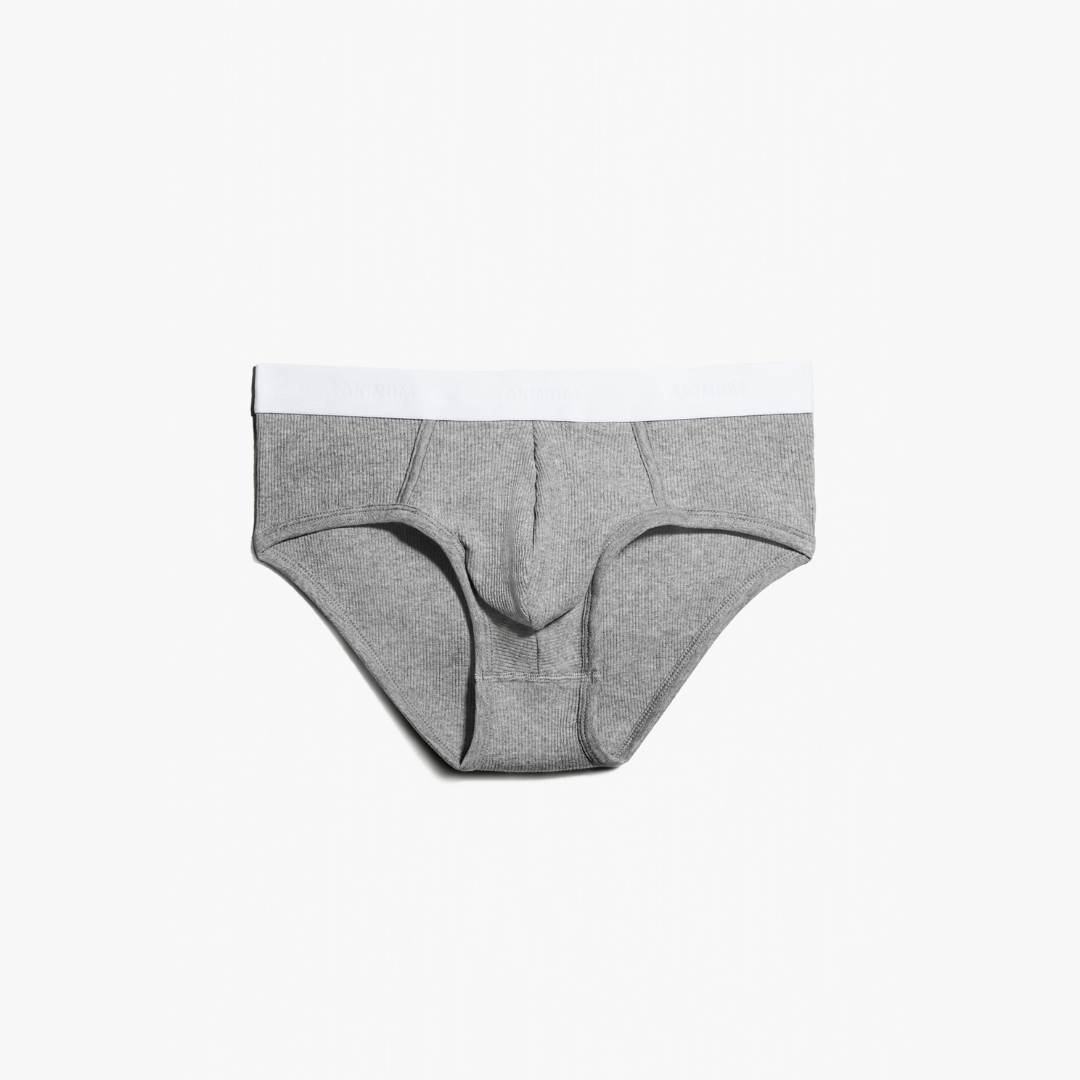
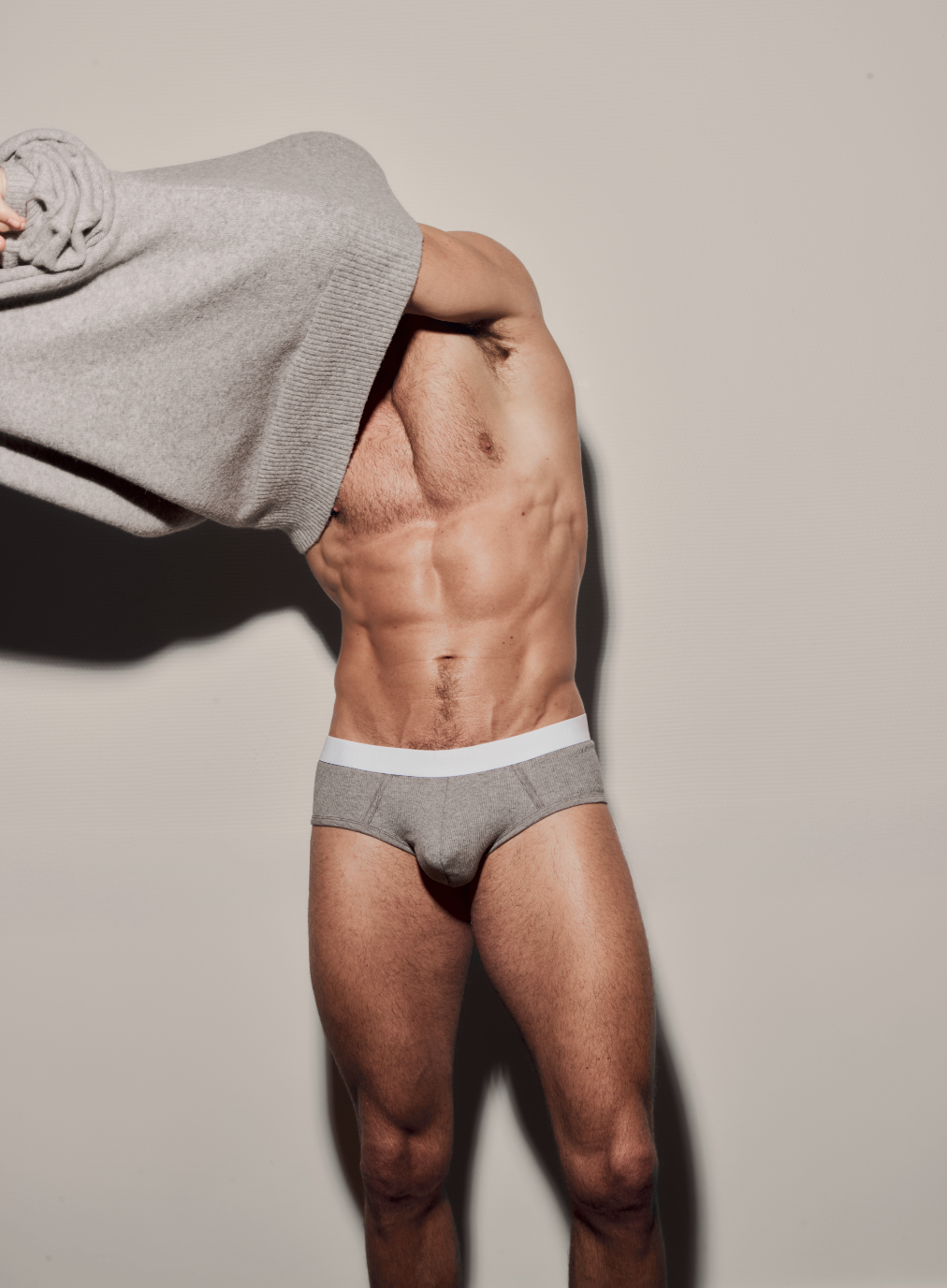
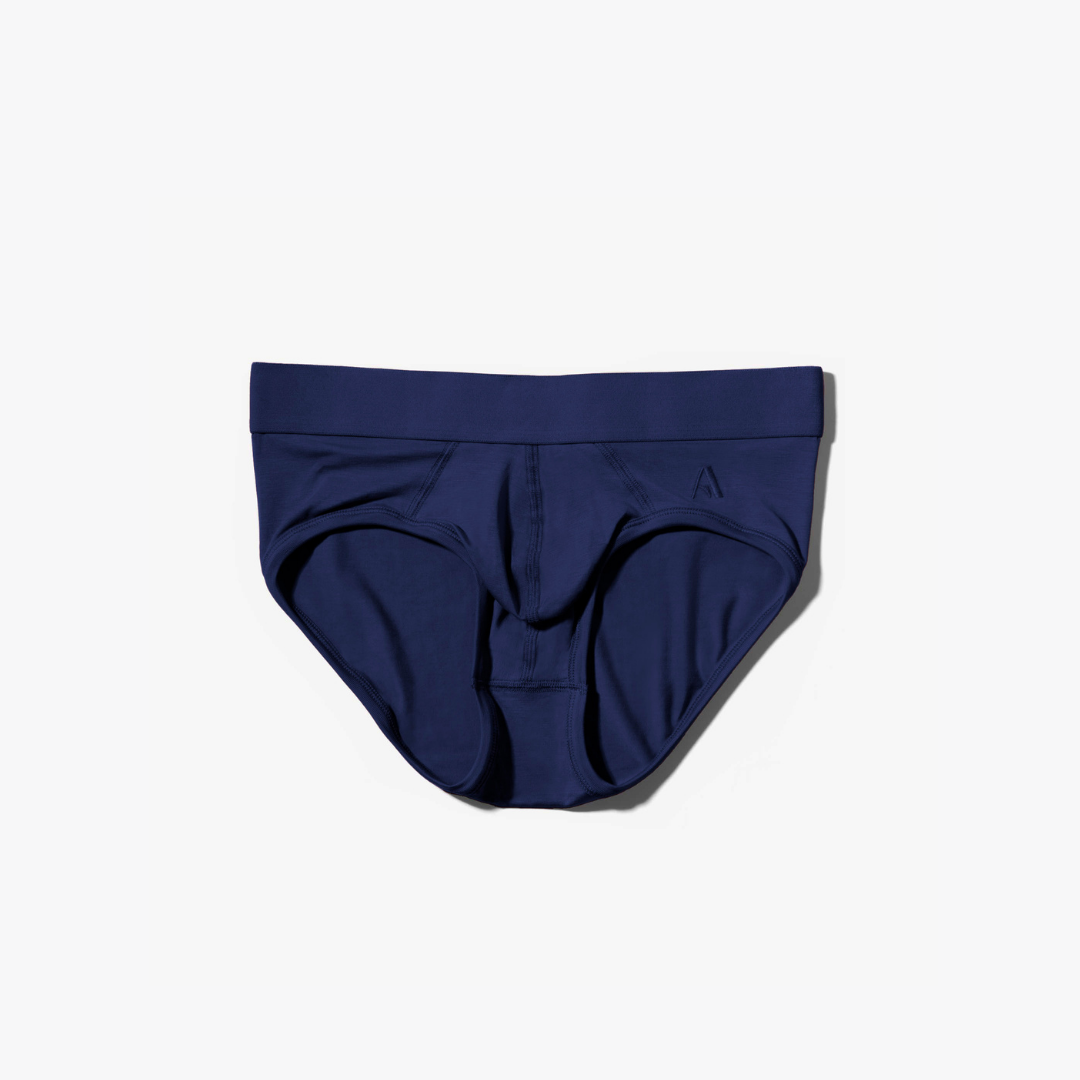
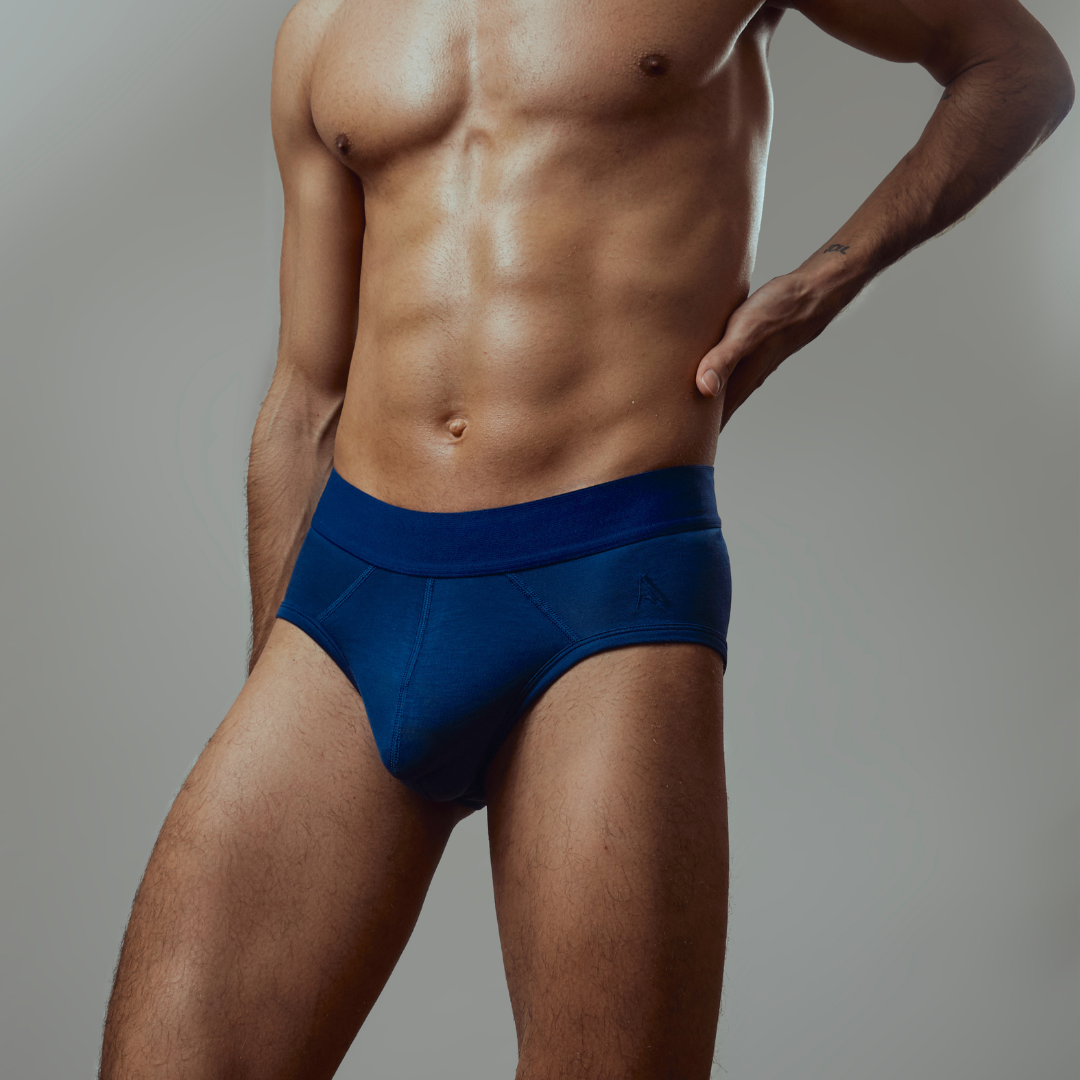
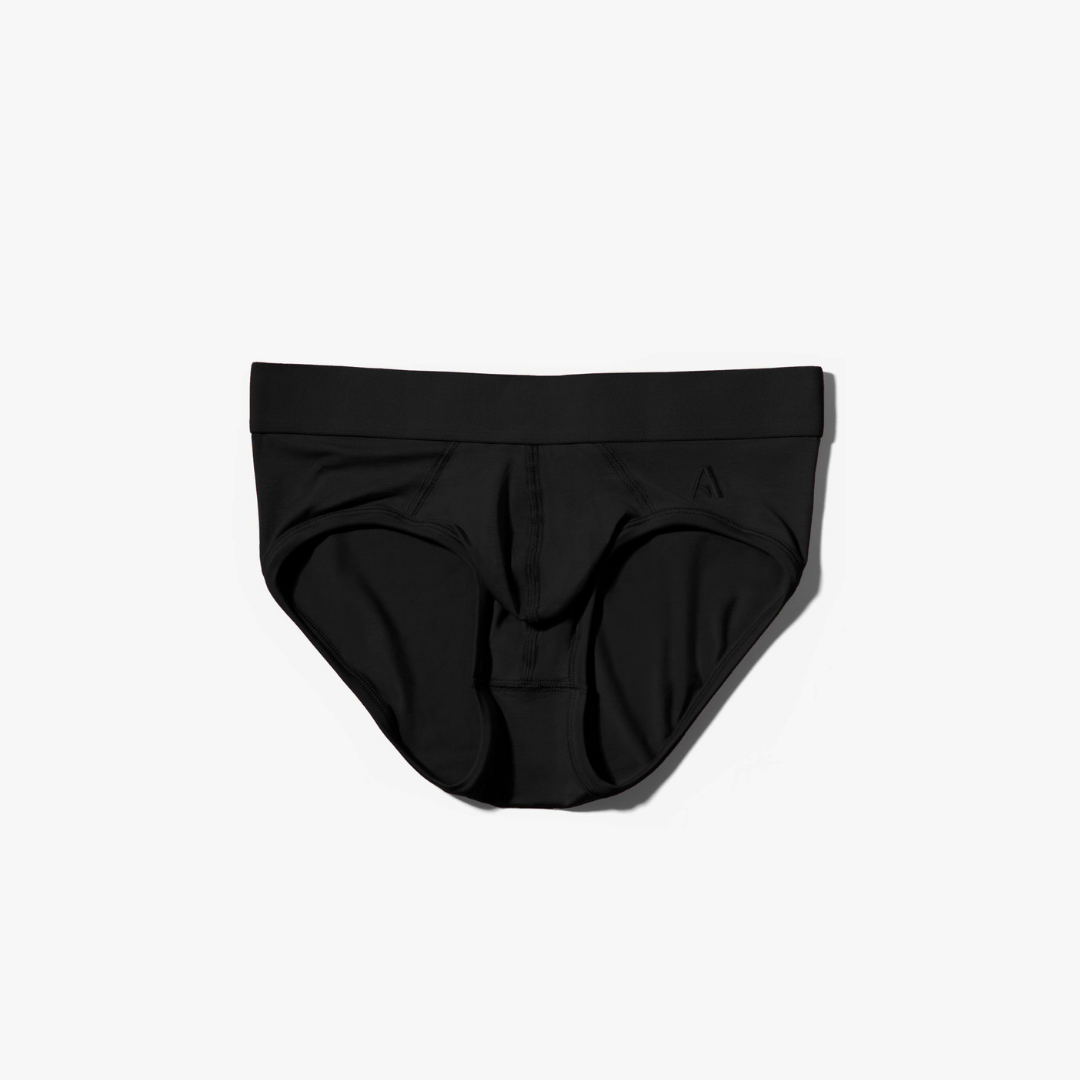
The brief leaves the legs completely free with a high-cut leg opening on the hips. It's the cut that maximizes freedom of movement and minimizes the amount of fabric. It's ideal under fitted clothing and in hot weather.
Ideal for: slim or slender body types, suits and slim-fit trousers, high-intensity sports, hot weather. Avoid if: your thighs touch — skin-on-skin chafing without fabric protection quickly becomes uncomfortable.
The shorty
The shorty is the intermediate cut: a short leg that extends slightly down the thigh, but not as far as the boxer. It's often the cut that convinces most upon first wear because it simultaneously solves the problem of chafing between the thighs and the excess fabric of the long boxer.
Ideal for: the majority of body shapes — versatile by definition. Particularly suitable for larger sizes. Avoid if: you're looking for maximum freedom of movement (prefer briefs) or maximum coverage (prefer long boxers).
The jockstrap
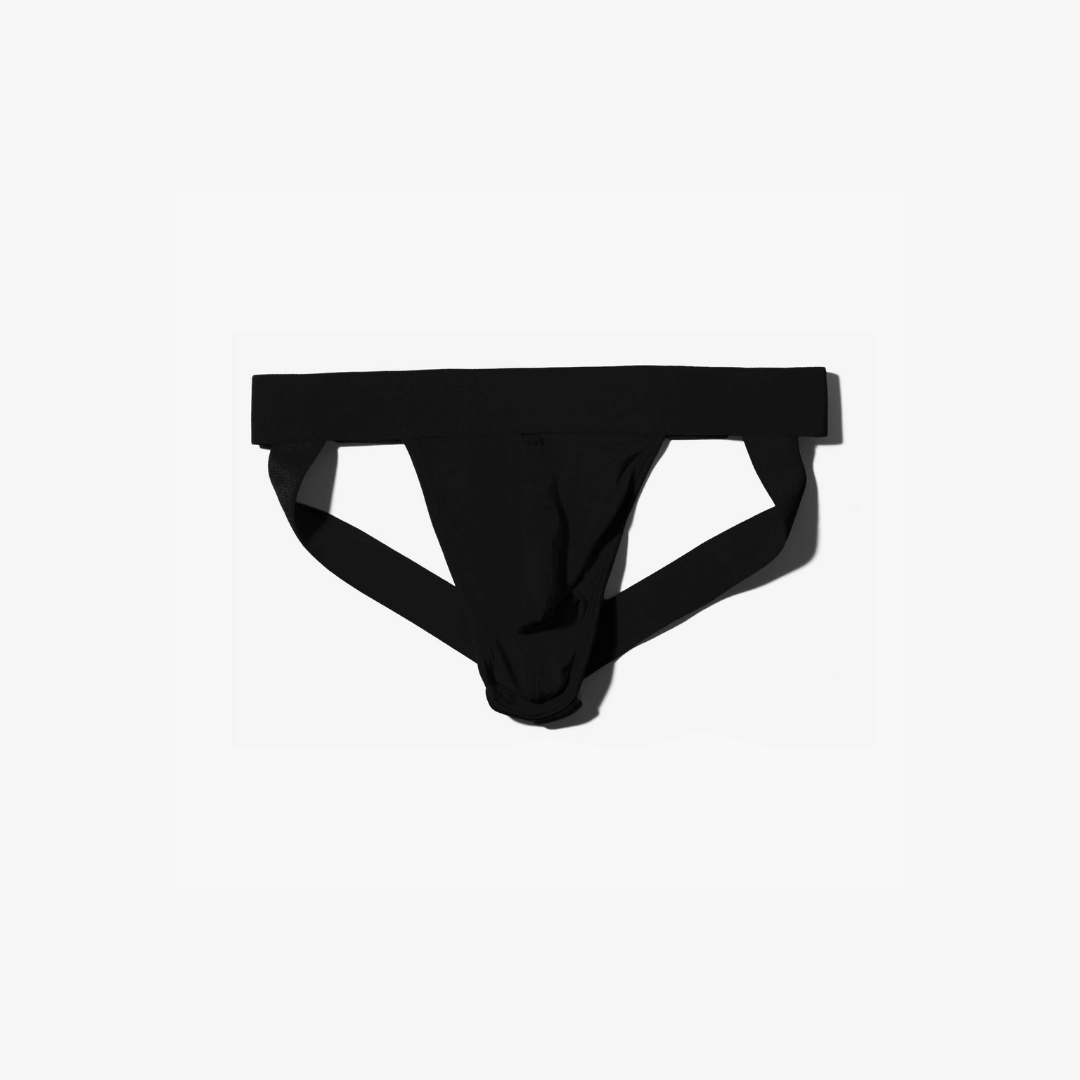
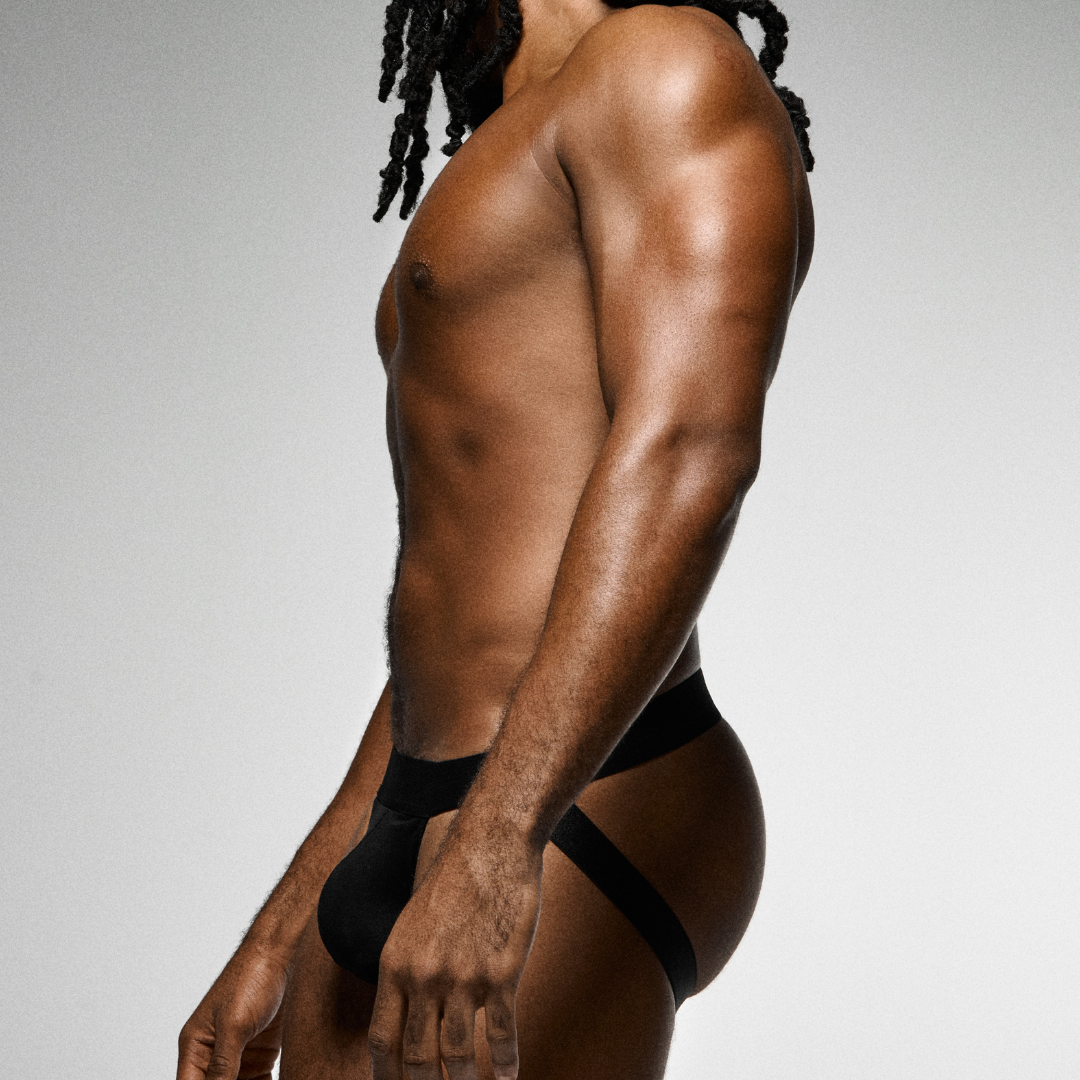
The jockstrap supports the front with a structured pouch and leaves the buttocks completely free. Originally designed for sports, it is now worn daily by men seeking maximum frontal support with total rear ventilation.
Ideal for: intense sports, extreme heat, firm support. Avoid if: you're not comfortable with the sensation of an open back for daily wear.
The thong
The thong reduces fabric to the bare minimum — a front triangle and a thin strap at the back. Impractical as daily work underwear, it is often chosen to avoid any visible lines under very fitted clothing.
| Cut | Coverage | Freedom of Movement | Suitable for Heat | Under Suit/Slim Fit |
|---|---|---|---|---|
| Long Boxer | ★★★★★ | ★★☆☆☆ | ★★☆☆☆ | ★★☆☆☆ |
| Shorty | ★★★☆☆ | ★★★☆☆ | ★★★☆☆ | ★★★☆☆ |
| Brief | ★★☆☆☆ | ★★★★★ | ★★★★☆ | ★★★★★ |
| Jockstrap | ★★☆☆☆ | ★★★★★ | ★★★★★ | ★★☆☆☆ |
→ Complete guide: boxer or brief for men, which to choose?
Materials: organic cotton, lyocell, modal — what each fiber truly offers
Material is the second decisive criterion. It determines softness to the touch, heat and moisture management, durability, and impact on sensitive skin.
Organic cotton
Organic cotton is grown without synthetic pesticides or chemical fertilizers, certified Oeko-Tex Standard 100. It is breathable, strong, easy to care for, and well-tolerated by sensitive skin. It's the go-to material for intensive daily use — multiple washes per week, prolonged wear, varied conditions.
Its limitation: it absorbs moisture but retains it against the skin. In hot weather or during physical activity, the sensation of dampness persists longer than with a more technical fiber.
At Akinom: the INITIALE (ribbed organic cotton) and IDOLE (organic jersey cotton) collections are made of Oeko-Tex Standard 100 certified organic cotton.
Lyocell (Tencel™)
Lyocell is a plant-based fiber produced from eucalyptus pulp using a closed-loop process. It is the most breathable and thermoregulating material available today for premium underwear. It absorbs up to 50% better than cotton and releases moisture quickly, keeping the skin dry.
Its softness is comparable to silk. Its lightness is superior to cotton. Its care requires a little more attention: wash at 30°C, no tumble drying.
At Akinom: the PREMIUM collection is made of Lenzing™ lyocell.
→ Complete guide to lyocell — properties, care, comparison
Modal
Modal is also a cellulosic fiber (beech pulp), similar to lyocell in its properties. It is slightly more drapey and offers a very pronounced "second skin" feel. Its breathability is slightly lower than lyocell but superior to cotton.
At Akinom: the SKINTONE collection is made of modal.
Conventional cotton
Conventional cotton — that found in mass-market packs — is grown with pesticides and chemical fertilizers. It is less soft, less breathable, and less skin-friendly than organic cotton. It is also less durable with repeated washing. If you wear conventional cotton, switching to organic cotton is the first improvement to make.
Synthetic materials
Polyester, nylon, and microfiber retain heat, generate static electricity, and irritate sensitive skin in the long run. They are ubiquitous in low-end underwear because they are cheaper to produce — not because they offer better comfort. Avoid for daily use.
| Material | Softness | Breathability | Thermoregulation | Durability | Sensitive Skin |
|---|---|---|---|---|---|
| Lyocell | ★★★★★ | ★★★★★ | ★★★★★ | ★★★★☆ | ★★★★★ |
| Modal | ★★★★★ | ★★★★☆ | ★★★★☆ | ★★★★☆ | ★★★★★ |
| Organic Cotton | ★★★★☆ | ★★★★☆ | ★★★☆☆ | ★★★★★ | ★★★★★ |
| Conventional Cotton | ★★★☆☆ | ★★★☆☆ | ★★☆☆☆ | ★★★★☆ | ★★★☆☆ |
| Polyester / Synthetic | ★★☆☆☆ | ★★☆☆☆ | ★☆☆☆☆ | ★★★☆☆ | ★★☆☆☆ |
Body shape and underwear: adapting your cut to your body
Underwear is not one-size-fits-all. The same cut worn by two different body types will yield two opposite results. Here's how to think about it.
Slim body type / slender figure
Briefs and shorties are naturally suitable. The high cut of the brief enhances the silhouette without excess fabric. If you prefer a bit more coverage, the shorty is the natural transition. Avoid long boxers made of thick cotton — they tend to bunch up under fitted clothing.
Athletic build / developed thighs
The shorty is the go-to cut. It protects the inner thigh without the constraint of long boxers that ride up. If you prefer briefs, ensure the front pouch construction is structured enough for firm support — briefs with a flat pouch will be uncomfortable with well-developed musculature.
Round / Larger Body Type
The shorty remains the most versatile cut. The priority: a wide waistband (minimum 3 cm) that doesn't roll, a soft and thermoregulating material (lyocell or organic cotton jersey), and a front pouch designed for volume — not just a flat excess of fabric.
→ Specific guide for larger sizes — from XL to 5XL
Standard / Versatile Body Type
You have the advantage of being able to explore all cuts. Start with the shorty if you've never really thought about your cut — it's the most versatile and the one that causes the fewest unpleasant surprises.
How to find your exact size
Underwear size is determined by waist circumference in centimeters, measured where you naturally wear your belt — not at the navel or hips, but at the natural intermediate waist.
| Size | Waist circumference (cm) |
|---|---|
| XS | 70 – 76 |
| S | 77 – 83 |
| M | 84 – 90 |
| L | 91 – 97 |
| XL | 98 – 104 |
| 2XL | 105 – 111 |
| 3XL | 112 – 118 |
| 4XL | 119 – 126 |
| 5XL | 127 – 134 |
Universal rule: when in doubt between two sizes, choose the larger one. Slightly large underwear remains comfortable. Underwear that is too small will compress from the first hours and cause exactly the problems this guide seeks to avoid.
What not to do: rely on your usual clothing size or the size indicated on your old underwear without checking. Size charts vary from brand to brand. Measurement in centimeters is the only reliable reference.
Anatomical construction: what brands never say
This is the most important criterion — and the least visible on a product sheet.
The male anatomy is voluminous. The male crotch is not flat. However, almost all male underwear on the market is designed as if it were: a simple excess of flat fabric at the front, sometimes a central seam, never a truly pre-formed pouch.
The result is mechanical: compression, concentrated heat, skin-on-skin friction, repeated adjustments. These problems do not disappear with a better material or a different cut as long as the basic construction remains flat.
Underwear with proper anatomical construction has three characteristics:
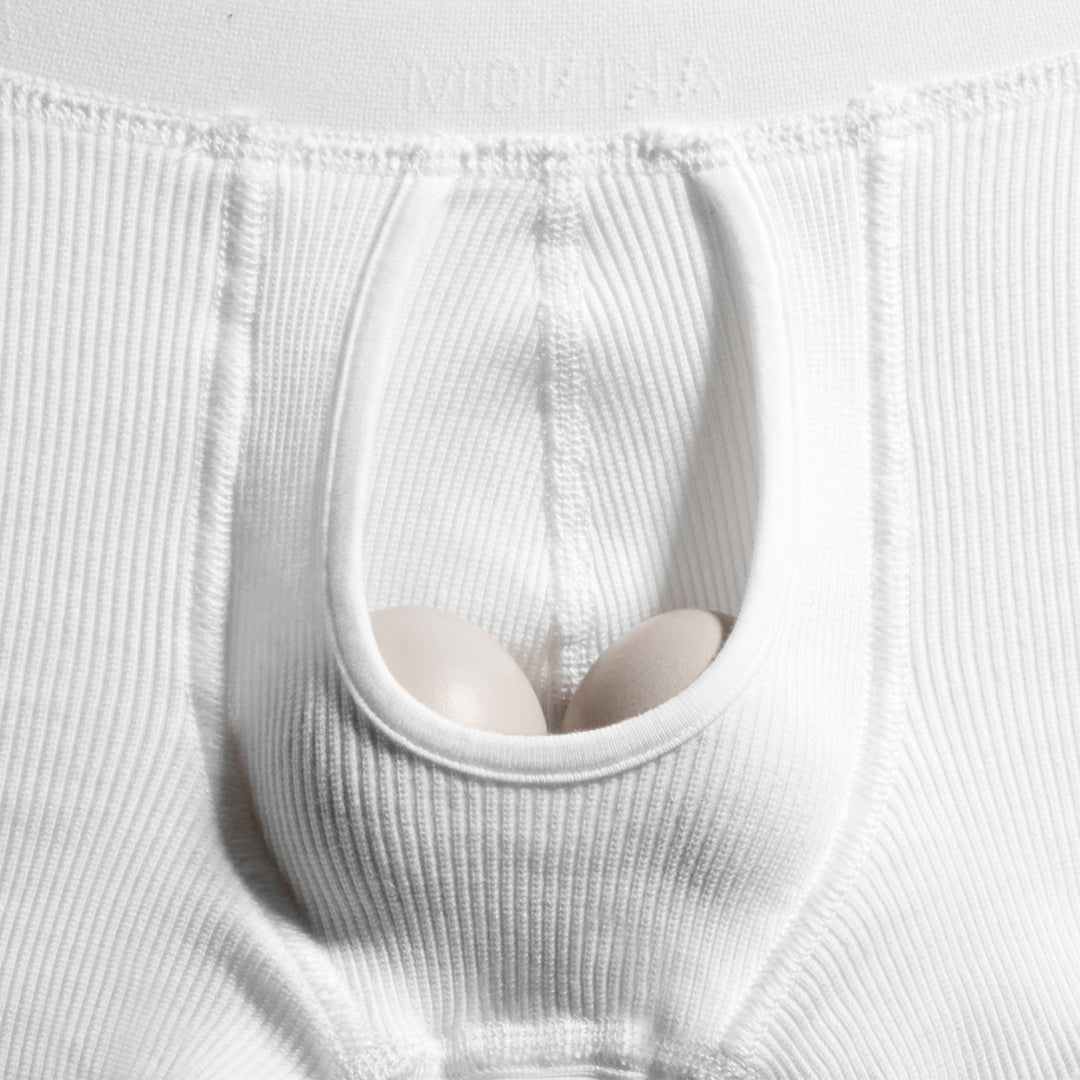
A structured, voluminous front pouch. Not a fabric triangle, not just an excess — a pre-formed pouch that creates a dedicated space supporting the anatomy without compressing it. This is visible to the naked eye: the pouch should have a distinct shape when the underwear is laid flat.
Internal separation. This isolates skin-on-skin contact areas, eliminates friction, and reduces accumulated heat. This is often the least known but one of the most decisive features for long-day comfort.
Flat seams. Any raised seam becomes a point of friction after a few hours. Quality underwear uses flat seams or invisible topstitching, especially in areas of direct skin contact.
The FrontNest® system integrated into all Akinom pieces combines these three elements in a patented architecture. This is why customers who have worn underwear for decades describe an immediate change from the very first wear.
→ Understand the FrontNest® system in detail
Signs of poor quality underwear
Here are some concrete signs that allow you to assess the quality of underwear before wearing it for a week.
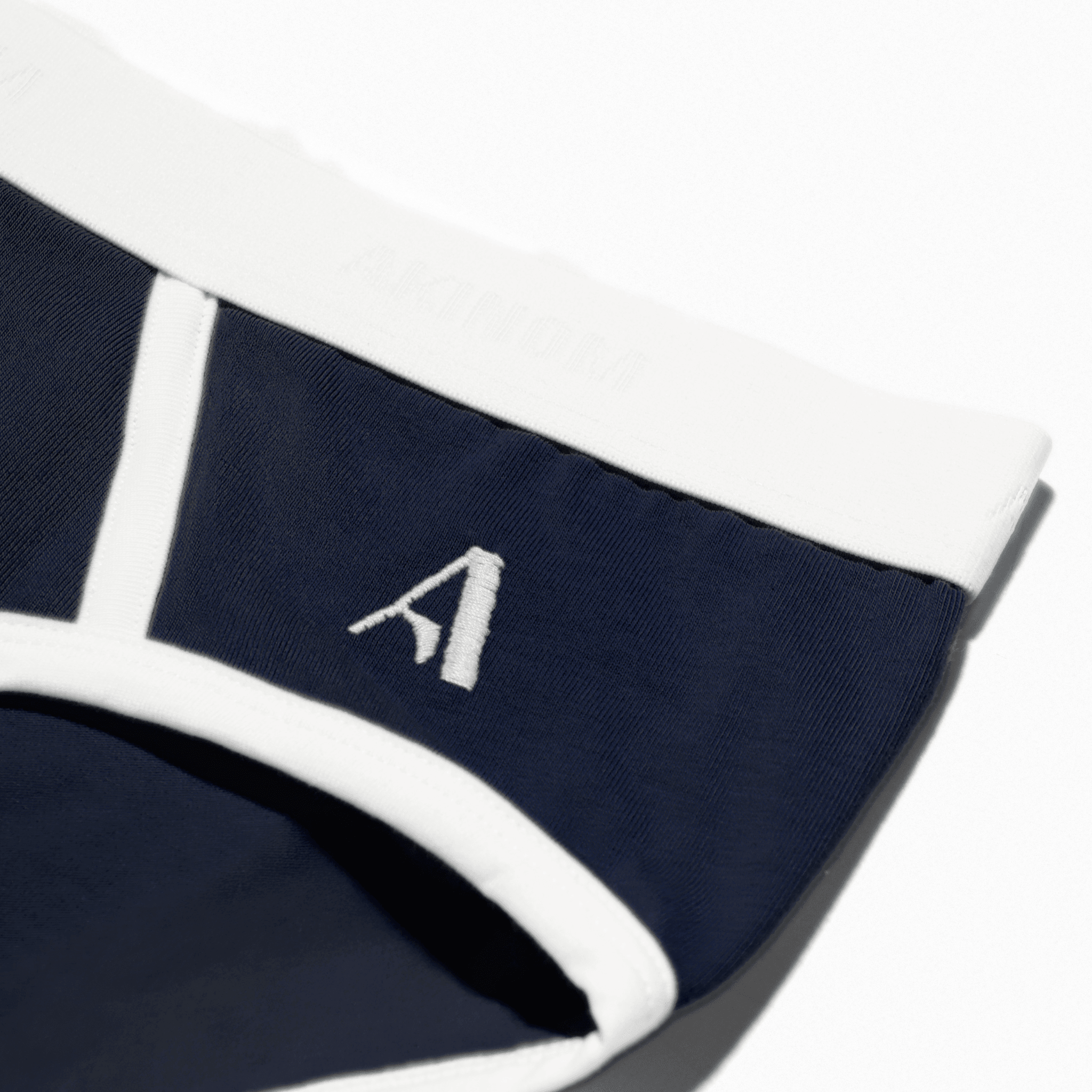
The waistband. Touch it: it should be flat elastic, wide (minimum 2.5 cm for briefs, 3 cm for boxers or shorties), with no visible relief on the outside. A thin or too narrow braided elastic waistband rolls, marks, and loses its elasticity quickly.
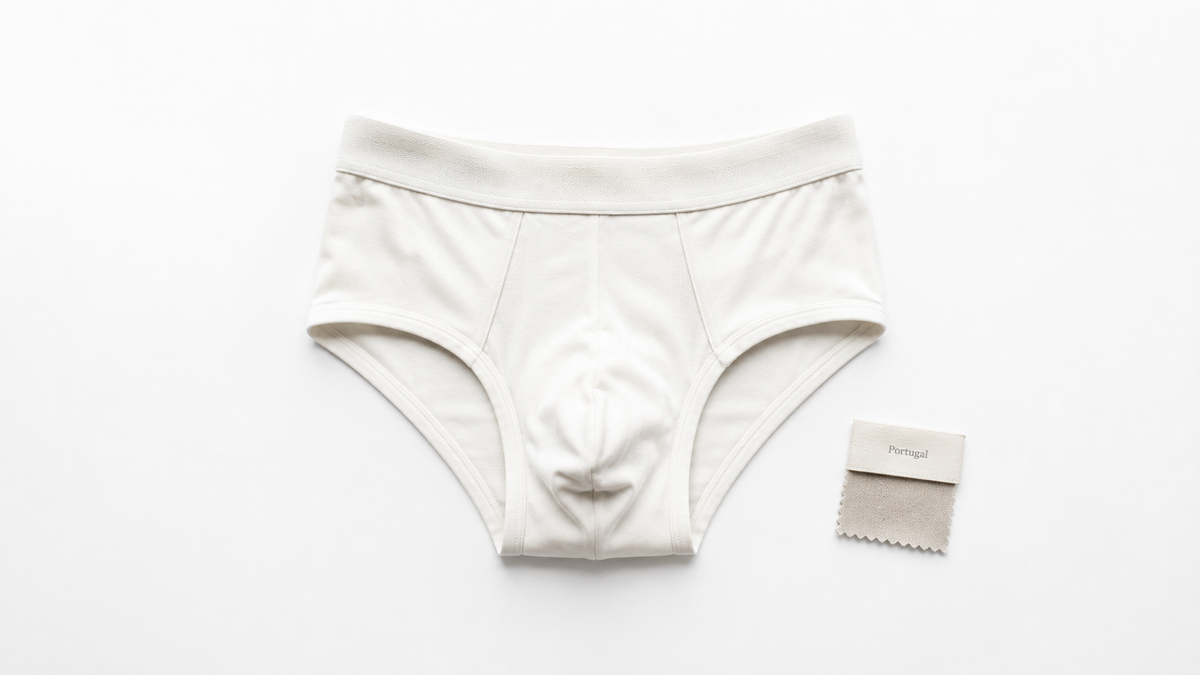
The front pouch. Look at it flat: is it structured and voluminous, or is it simply an extra seam? If you can flatten it completely without resistance, it's not a pouch — it's excess fabric.
Side seams. Run your finger over them: they should be flat, without extra thickness. If they are thick or raised, they will mark after a few hours of wear.
The material. Crumple the fabric in your hand and release: it should immediately return to its shape. A fabric that remains wrinkled will be uncomfortable and age poorly.
The weight. Quality underwear is not necessarily heavy — lyocell is precisely lighter than cotton while being more performant. But a very thin fabric with a thin elastic waistband is generally a sign of insufficient quality.
How to care for your underwear so it lasts
Well-maintained premium underwear lasts two to four times longer than low-end underwear washed without precaution. The rules are simple.
Wash at 30°C maximum. Heat degrades the elasticity of the waistband and shrinks natural fibers (lyocell, organic cotton, modal). At 30°C, fibers are preserved and hygiene is ensured.
No tumble drying. Tumble drying is the number one enemy of quality underwear. Tumble heat reduces the lifespan of a garment by half. Dry flat or hung, away from direct sunlight.
Laundry bag. To prevent the elastic waistband from being deformed by the agitation of the drum, place your underwear in a laundry bag. This is a simple habit that significantly extends lifespan.
No fabric softener. Fabric softeners deposit a film on fibers that reduces their breathability over washes. For technical materials like lyocell or organic cotton, this is particularly counterproductive.
Rotation. The more pieces you have in rotation, the less each piece is used. A minimum of five to seven pieces in rotation is recommended for daily use — this is also the logic of a weekly set.
| Action | Impact on lifespan |
|---|---|
| Wash at 30°C | ✅ Preserves fibers and elasticity |
| Air dry | ✅ Maintains shape and elasticity |
| Laundry bag | ✅ Protects waistband from deformation |
| Wash at 60°C | ❌ Shrinking and elasticity degradation |
| Tumble dry | ❌ Reduces lifespan by half |
| Fabric softener | ❌ Clogs breathable fibers |
How much to invest in your underwear?
The real cost of underwear is not calculated by the unit price — it's calculated by the cost of use, which means the price per effective day of wear.
A pack of three conventional cotton boxers at 15 euros lasts on average eighteen months with normal use and washing — about €0.03 per day of wear.
Underwear made of organic cotton or lyocell at 35-40 euros, washed correctly at 30°C without tumble drying, lasts between two and four years — between €0.025 and €0.05 per day of wear, with incomparable comfort.
The difference in real cost is marginal. The difference in comfort is structural.
The investment with the most impact is not the unit price — it's building a coherent weekly set of five to seven quality pieces, in regular rotation. This is equivalent to what you do with quality shoes: you don't buy one pair to wear seven days a week; you build several in rotation to preserve each pair.
Our selection at Akinom
Akinom offers three distinct collections, each with a specific material and positioning, all featuring the FrontNest® system.
INITIALE Collection — Ribbed Organic Cotton The core brand collection. Oeko-Tex Standard 100 certified organic cotton, ribbed knit, natural and structured feel. Ideal for versatile daily wear in all seasons. Available in briefs, shorty, long boxer, jockstrap, and thong.
→ Discover the INITIALE collection
IDOLE Collection — Organic Cotton Jersey The lifestyle collection. Same material commitment as INITIALE, with a softer, draping jersey knit. Lifestyle colors — navy, sage, terracotta — for those who don't want to choose between comfort and aesthetics. Available in briefs, shorty, and thong.
→ Discover the IDOLE collection
PREMIUM Collection — Lenzing™ Lyocell The most technical collection. Lenzing™ Lyocell — the most breathable fiber available for premium men's underwear. For long days, hot weather, and the most demanding skin. Available in briefs, boxers, and jockstraps, in the deepest colors of the range.
→ Discover the PREMIUM collection
→ View the entire collection — all cuts and materials
Frequently Asked Questions
What is the difference between a boxer and a shorty? Boxers extend to mid-thigh with a distinct leg. Shorties have a shorter leg that simply covers the upper thigh. The shorty is more versatile: it prevents rubbing between the thighs without creating excess fabric or rolling up like boxers ill-suited to a man's physique.
Should I choose size S or M if I'm in between? Always choose the larger size. Slightly loose underwear remains comfortable all day long. Underwear that is too tight creates increasing pressure, especially when sitting.
Is organic cotton really better than standard cotton? For comfort: yes — organic cotton is softer and better tolerated by sensitive skin. For durability: yes — fibers grown without pesticides are structurally more resistant. For the environment: yes — organic farming uses up to 91% less water than irrigated conventional cotton.
Is FrontNest® suitable for all body types? Yes. The preformed front pouch is proportioned to each size, from XS to 5XL. The anatomical principle — creating a dedicated space that accommodates natural volume without compressing it — is universal regardless of body type.
How many undergarments should you have in your wardrobe? A minimum of five to seven pieces for a healthy daily rotation. Below that, each piece is overused and wears out prematurely. Beyond ten, maintenance becomes more complex but the lifespan of each piece increases proportionally.
How do I know if my current underwear is poor quality? Three immediate signs: the waistband rolls or leaves marks after a few hours, you readjust more than two or three times a day, or the fabric stays damp against the skin during an active day. If any of these three signs are present, your current underwear is not suitable for your needs.
Is Akinom underwear suitable for sensitive or irritation-prone skin? Yes — all Akinom collections are Oeko-Tex Standard 100 certified, which guarantees the absence of irritating chemical substances in the fiber. The FrontNest® construction also reduces skin-on-skin friction, which is the main cause of irritation in underwear.
What is the lifespan of Akinom underwear? Between two and four years with correct care — wash at 30°C, air dry, no tumble dryer. The elasticity of the waistband is the best indicator: when it starts to lose its hold, that's the signal to replace it.

Written by Florian Wernert